
Practical Strategies to Simplify Your Home and Life
A Clear Purpose for Simplifying
Simplifying begins with a reason that matters to you. Without a sense of purpose, any attempt at reducing possessions or routines will feel temporary, like trimming a hedge rather than reshaping a garden. Ask yourself what you hope to gain: more time, less stress, better focus, a home that welcomes visitors without friction, or financial savings. Let that outcome guide the decisions you make about what stays and what goes. When each choice is aligned with a clear purpose, the process becomes less about deprivation and more about creating space for what truly matters.
Also Read: The Future of Electrician Careers in the Age of AI and Automation
Start Small and Visible
Ambitious plans can be motivating, but sweeping overhauls often end in fatigue. The most sustainable changes happen through small, highly visible wins. Choose one drawer, one shelf, or one corner of a room to transform. This creates an immediate sense of progress that encourages continuation. The effects ripple outward: a tidier kitchen drawer might inspire reorganizing the pantry; clearing a cluttered countertop can change how you prepare meals. Keep the initial projects short and achievable so they fit into your regular days rather than becoming a separate project that saps energy.
Develop Practical Routines
Simplicity thrives on routines that require little thought. Morning and evening rituals centered on putting things back in their place, handling mail once, and pausing to decide whether new items belong in the home can prevent clutter from accumulating. Routines don’t need to be elaborate; their value lies in repetition and predictability. Establish a simple rule for incoming items and stick to it for a few weeks. Over time, those habits will reduce decision fatigue and make your environment more orderly without constant effort.
Adopt a One-In, One-Out Mindset
To maintain simplicity, manage the flow of new items. A one-in, one-out approach helps keep possessions proportional to available space and aligns new acquisitions with what you already own. This rule encourages mindfulness about purchases and gifts, prompting questions about usefulness, joy, and redundancy before introducing anything new. It also helps you resist the slow creep of clutter by linking incoming items to concrete choices about what to let go of.
Practical Room-by-Room Strategies
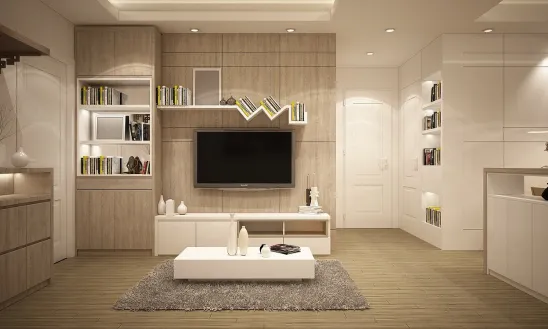
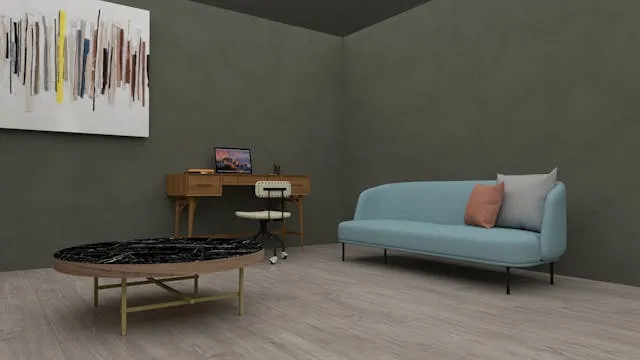
Different spaces in the home require tailored tactics. In the kitchen, keep only the utensils, appliances, and cookware you use regularly within reach; store seasonal or rare-use items elsewhere. Bedrooms benefit from limiting clothing to the pieces you actually wear; consider seasonal rotations to reduce closet crowding. Living areas function better with fewer decorative items and clear surfaces, making them easier to maintain and more welcoming. Bathrooms become calm when products are consolidated and expired items are removed. Addressing each room with specific goals prevents the overwhelming feeling of tackling the entire house at once and ensures practical changes that improve daily life.
Streamline Decision-Making
Reducing the number of decisions you make each day conserves mental energy for what’s important. Simplify choices by setting constraints: limit colors and styles for clothing, adopt a core set of meal templates for weeknight dinners, or choose durable, multipurpose items that reduce the number of tools you need. When decisions are reduced to a handful of trusted options, seconds and minutes add up to significant time reclaimed over months and years.
Digital Simplicity Matters Too
A simplified life includes the digital environment that increasingly blends with our physical spaces. Decluttering digital files and unsubscribing from unnecessary emails can reduce the mental load that comes from constant notifications and a crowded inbox. Keep a simple folder structure and delete duplicates. Unsubscribe from services and newsletters that no longer serve your priorities. The clarity you gain online often mirrors the clarity in your home.
Teach and Invite Others Into the Process
If you share a home with family, roommates, or a partner, simplicity is most sustainable when everyone understands and participates in the approach. Communicate your reasons and invite input so that the solutions work for all involved. Make organizing a shared activity rather than a solo project; setting common rules and collective goals fosters mutual respect for shared spaces. When children are part of the household, integrate age-appropriate responsibilities that teach habits without turning upkeep into a battle.
Maintain Momentum with Regular Check-Ins
Simplicity requires maintenance. Periodic check-ins—whether monthly or seasonally—prevent small problems from becoming large ones. Use these moments to reassess whether possessions still align with your priorities, to donate or sell what no longer fits, and to adjust routines that aren’t working. These intentional pauses are an investment that keeps your systems functioning smoothly and prevents the need for periodic massive cleanouts.
Balancing Minimalism and Personal Expression
Simplicity does not mean sterile minimalism. It is possible to live with fewer things while still embracing warmth, character, and personal meaning. Curate a modest collection of items that bring joy, honor memories, or support your interests. Allow yourself to keep treasures, but give each item a role or a place. When possessions are selected intentionally, they serve you better and contribute to a home that feels both uncluttered and deeply personal.
The Long-Term Payoff
The real benefit of simplifying is the time and attention it frees up for living. With fewer objects to manage and clearer routines, you’ll find more energy for relationships, hobbies, and restful downtime. The ongoing discipline of small choices produces a freer environment and a calmer mind. Approach the process as an evolving practice rather than a one-time fix. Over time, those consistent, modest adjustments transform your home into a supportive backdrop for the life you want to lead, making space for what matters most.
Throughout this process, practical decluttering tips can help you stay focused, but the heart of simplifying lies in defining what you value, creating small sustainable habits, and aligning your environment with those priorities. The payoff is not just a tidier home, but a more intentional, manageable life.