
How a Diesel Fuel Pump Works and Common Issues to Watch For
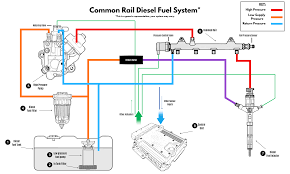
Modern common rail systems separate pressure generation from injection timing. A high-pressure pump feeds a rail that maintains constant pressure, while electronic injectors control when and how much fuel enters each cylinder. This setup allows for multiple injection events per combustion cycle, which reduces noise and emissions while improving power output. The pump itself typically runs off the engine’s timing belt or chain, spinning at half engine speed and using plungers or rollers to compress the fuel.
Also Read: Innovations in Safe and Efficient Demolition for Bridges and Railways
Understanding how your diesel fuel pump operates can save you from unexpected breakdowns and expensive repairs. These pumps are critical components in diesel engines, responsible for delivering fuel at precise pressures and timing to keep everything running smoothly. Modern diesel systems operate at incredibly high pressures, often exceeding 30,000 PSI in common rail systems, which puts enormous stress on pump components. Research published in the Journal of Automotive Engineering shows that fuel pump failures account for roughly 18% of diesel engine breakdowns, with contamination being the leading cause in about 65% of those cases.
The Basic Operating Principle
Diesel fuel pumps do more than just move fuel from tank to engine. They create the high pressure needed for proper atomization and injection. In older mechanical systems, you’d find rotary or inline injection pumps that used engine-driven camshafts to generate pressure. These worked reliably but weren’t great for emissions or fuel efficiency.
Why Contamination Is Your Biggest Enemy
Diesel fuel pumps operate with tolerances measured in microns. Even tiny particles can cause serious damage. Water in fuel is probably the worst offender because it causes corrosion and promotes bacterial growth. That sludgy stuff you sometimes see in diesel tanks? That’s algae and bacteria feeding on water contamination, and it’ll wreck a pump faster than almost anything.
Studies from fuel system manufacturers indicate that 73% of premature pump failures trace back to contaminated fuel. Dirt, rust from tanks, and wear particles all act like grinding paste inside the pump’s precision components. This is why fuel filtration matters so much. Most systems use at least two filters, and skipping changes because they “look okay” is asking for trouble.
Common Failure Modes and Warning Signs
Pumps usually don’t just die instantly. They give you warnings if you’re paying attention. Hard starting, especially when the engine’s cold, often means the pump’s struggling to build pressure. Rough running or power loss under load can indicate inconsistent fuel delivery. If you’re hearing unusual noises from the pump area, like whining or grinding, that’s wear or cavitation happening.
Loss of prime is another issue, particularly in systems that don’t have good anti-siphon valves. Air getting into the system creates vapor lock and makes the pump work way harder than it should. According to diesel technician surveys, about 42% of “pump failures” brought to shops are actually air ingress problems that could’ve been prevented with better maintenance.
Temperature and Fuel Quality Considerations
Diesel fuel pumps generate heat through compression and friction. The fuel itself acts as coolant and lubricant, which is why running tanks too low is bad. When there’s not enough fuel flowing through, temperatures spike and lubrication suffers. This is especially true in high-pressure common rail pumps where internal clearances are incredibly tight.
Fuel quality varies quite a bit, and cheap or off-brand diesel sometimes lacks adequate lubricity additives. After ultra-low sulfur diesel became standard, the natural lubrication properties decreased significantly. Using fuel from questionable sources or old stored fuel with degraded additives accelerates wear rates substantially.