Interior Finishing During Renovation: Materials Choices
Interior finishing is one of the most important stages of any renovation project. It transforms a raw or outdated space into a functional, comfortable, and visually appealing environment. From flooring and ceilings to lighting and wall treatments, every finishing decision affects durability, maintenance, and overall atmosphere. A key part of this process is the comparison of modern wall coverings, as walls occupy the largest visible surface area in most rooms and significantly influence both aesthetics and performance. Choosing the right materials requires balancing budget, design vision, and long-term practicality.
Planning the Finishing Stage
Before selecting materials, it is essential to plan the renovation carefully. Interior finishing typically begins after structural work, plumbing, and electrical installations are completed. At this stage, surfaces are leveled, insulated if necessary, and prepared for decorative layers.
A successful finishing plan considers:
Room function (kitchen, bathroom, living room, office, etc.)
Humidity and temperature conditions
Traffic levels and wear resistance
Maintenance requirements
Acoustic and thermal performance
Overall design style
Skipping proper planning can lead to mismatched materials, premature wear, or costly repairs in the future.
Wall Finishing Options
Walls are often the central design element of a room. Today, homeowners and designers can choose from a wide range of modern wall coverings — including paint finishes, textured wallpapers, and decorative accent walls — each offering distinct advantages in style, depth, and texture. For guidance on how colour, texture (such as wallpaper choice) and pattern influence a room’s aesthetic and how to use them effectively in interiors, see BBC Maestro’s interior design tips.
Paint
Paint remains the most common wall finish due to its affordability and simplicity. It provides flexibility in color selection and can be easily updated during future renovations. Modern paints offer improved durability, washability, and even antibacterial properties.
However, paint has limitations. It does not hide imperfections well without extensive surface preparation, and in high-traffic or humid areas, it may require frequent touch-ups. While paint is ideal for minimalist or budget-conscious projects, it lacks texture and structural depth.
Wallpaper
Wallpaper adds personality through patterns, textures, and decorative effects. Contemporary wallpaper options include vinyl-coated varieties that resist moisture and are easier to clean than traditional paper-based products.
The main disadvantages include more complex installation and potential peeling over time, especially in damp environments. Removal during future renovations can also be labor-intensive.
Wall Panels
Wall panels have become increasingly popular in modern renovations. Available in materials such as MDF, PVC, natural wood, composite boards, and even metal, panels offer durability and dimensional design.
Unlike paint or wallpaper, panels can provide insulation, sound absorption, and impact resistance. They are particularly useful in hallways, kitchens, bathrooms, and commercial spaces where walls face frequent contact or humidity.
Installation can be faster than tile work and often requires less surface perfection than painting. Additionally, panels can conceal wiring or minor wall defects. Although initial costs may be higher than paint, their long lifespan and low maintenance often make them cost-effective over time.
Tiles
Tiles are widely used in bathrooms, kitchens, and entryways. Ceramic and porcelain tiles are highly water-resistant and durable. They create a clean, polished look and are available in numerous textures and finishes.
However, tile installation requires professional skills and can be expensive. Grout lines require maintenance and may discolor or develop mold in humid conditions. Tiles are excellent for wet areas but may feel cold or overly rigid in living spaces.
Ceiling Finishing
Ceilings are often overlooked but play a major role in lighting and acoustics. Common finishing options include:
Painted plaster ceilings
Suspended ceilings
Stretch ceilings
Decorative panels
Suspended and stretch ceilings allow integration of lighting systems and can conceal wiring or uneven surfaces. In modern renovations, layered ceiling designs with built-in LED lighting are increasingly popular, creating depth and atmosphere.
Flooring Materials
Flooring is another critical element of interior finishing. The right choice depends on traffic, moisture exposure, and comfort needs.
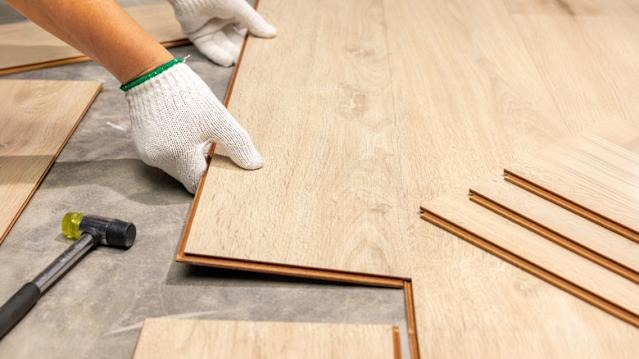
Laminate Flooring
Laminate is affordable, easy to install, and available in various wood-look finishes. It works well in living rooms and bedrooms but may be vulnerable to water damage unless specifically rated as waterproof.
Hardwood Flooring
Natural hardwood offers timeless elegance and durability. It can be refinished multiple times but is sensitive to humidity changes and typically requires higher investment.
Vinyl and SPC Flooring
Modern vinyl and stone polymer composite (SPC) flooring combine water resistance with realistic textures. They are practical for kitchens and bathrooms and require minimal maintenance.
Tiles and Stone
Ceramic or natural stone flooring is durable and moisture-resistant. It suits bathrooms and kitchens but may feel hard and cold without underfloor heating.
Doors, Trim, and Decorative Details
Finishing work also includes installing interior doors, baseboards, crown moldings, and other trim elements. These details frame the space and enhance cohesion. High-quality trim can elevate even simple wall finishes, adding architectural depth and refinement.
Choosing consistent materials and colors for doors and trim helps unify the design. Modern renovations often favor minimalist profiles and neutral tones, while classic interiors may incorporate decorative moldings and paneling.
Lighting Integration
Interior finishing is closely connected to lighting design. Wall textures and finishes interact differently with light. Glossy surfaces reflect light and make spaces feel larger, while matte finishes create a softer atmosphere.
Strategic lighting placement—such as wall sconces, recessed lighting, or LED strips—can highlight textured panels or architectural features. During renovation, planning lighting before finishing ensures that wiring and fixtures integrate seamlessly into the design.
Balancing Aesthetics and Functionality
A successful renovation does not rely solely on visual appeal. Practical considerations—such as durability, cleaning requirements, and long-term maintenance—are equally important. For example:
High-humidity spaces benefit from moisture-resistant wall panels or tiles.
Busy family homes may require scratch-resistant flooring.
Home offices or studios might prioritize acoustic wall treatments.
The comparison of modern wall coverings plays a central role in achieving this balance. Each material has strengths and weaknesses, and the ideal solution often combines multiple finishes within one project.
Sustainability Considerations
Modern renovation trends increasingly emphasize sustainability. Low-VOC paints, responsibly sourced wood panels, and recyclable materials contribute to healthier indoor air quality and reduced environmental impact.
Energy-efficient insulation behind wall panels or ceilings can also improve thermal performance and reduce utility costs over time.