Solid Surface Manufacturer: Guide to Modern Countertop Solutions
In modern architecture and interior design, materials play a crucial role in shaping both functionality and aesthetics. Among the many surface materials available today, solid surface has become one of the most popular choices for kitchens, bathrooms, commercial spaces, and hospitality projects. Its seamless appearance, durability, and design flexibility make it an ideal solution for contemporary interiors.
Behind these innovative materials are specialized manufacturers who combine advanced technology, quality raw materials, and skilled craftsmanship to create durable and stylish surfaces. A professional solid surface factory produces a wide range of products including countertops, sinks, bathtubs, wall panels, and decorative elements for residential and commercial environments.
This article explores the world of solid surface manufacturing, the benefits of these materials, and why they have become a key component of modern home improvement and interior design projects.
What Is Solid Surface Material?
Solid surface is a man-made material typically composed of acrylic resin, natural minerals, and pigments. These components are blended and molded to create a smooth, non-porous surface that can mimic natural stone while offering greater design flexibility.
Unlike natural stone materials such as granite or marble, solid surface materials can be fabricated with seamless joints, allowing for continuous surfaces without visible lines. This quality gives designers and homeowners the ability to create elegant and hygienic surfaces.
Because the material is non-porous, it resists stains, moisture, and bacteria, making it ideal for kitchens, bathrooms, hospitals, and other environments that require high hygiene standards.
The Role of a Solid Surface Manufacturer
A professional solid surface manufacturer is responsible for producing high-quality surface materials and finished products used in construction and interior design.
Manufacturers typically handle several stages of production, including:
- Raw material preparation
- Mixing of resins, minerals, and pigments
- Molding and curing processes
- Cutting and shaping surfaces
- Polishing and finishing
- Quality control and testing
A reputable solid surface factory also provides customization services, allowing architects, contractors, and designers to create unique designs tailored to specific projects.
Modern factories often utilize advanced equipment such as CNC cutting machines, automated pouring systems, and precision sanding processes to ensure consistent quality and durability.
Why Solid Surface Is Popular in Modern Interior Design
Over the past two decades, solid surface materials have gained significant popularity in home improvement and construction projects. Designers and homeowners appreciate the combination of aesthetics and functionality.
Some key reasons for its growing popularity include:
- Seamless design and elegant appearance
- Wide variety of colors and patterns
- Easy maintenance and cleaning
- Durability and resistance to stains
- Hygienic, non-porous surface
- Ability to create custom shapes and designs
These features allow designers to create modern spaces that are both visually appealing and practical.
Types of Solid Surface Countertops
When choosing a countertop for a kitchen or bathroom, understanding the Types of solid surface countertops available is essential. Different compositions and finishes provide various aesthetic and functional advantages.
1. Acrylic Solid Surface
Acrylic-based surfaces are the most common type of solid surface countertop.
They offer:
- Excellent flexibility and thermoforming capabilities
- Smooth and seamless joints
- High durability and repairability
These countertops are widely used in residential kitchens and bathrooms because they combine style with practicality.
2. Polyester Solid Surface
Polyester solid surfaces are known for their vibrant colors and decorative effects. They are often used in commercial interiors where bold aesthetics are desired.
However, they may be slightly less flexible than acrylic surfaces.
3. Modified Solid Surface
Modified solid surfaces combine acrylic and polyester components to balance durability, cost, and design versatility.
These materials are commonly used in large-scale construction projects where both aesthetics and budget considerations are important.
Applications of Solid Surface Materials
Solid surface materials are extremely versatile and can be used in many areas of interior and architectural design.
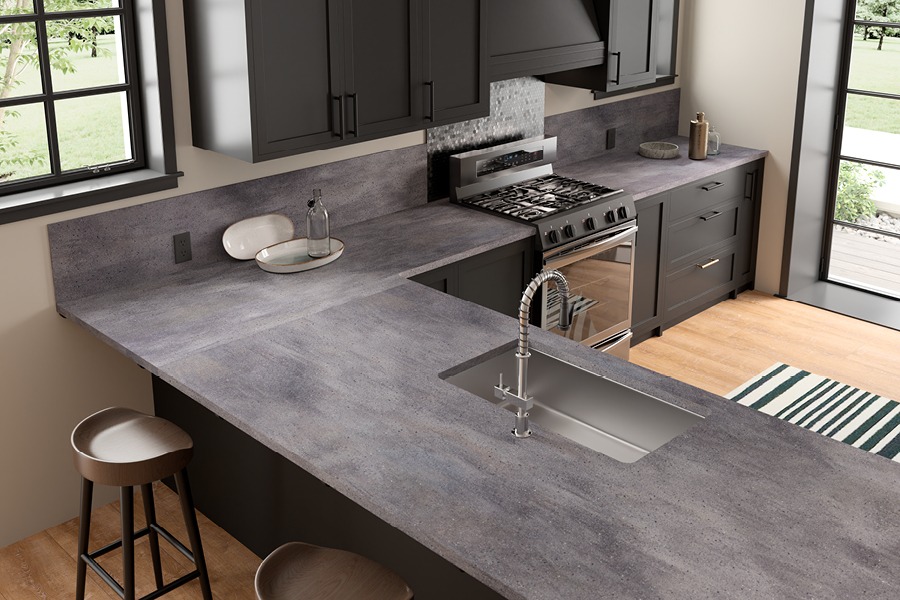
Kitchen Countertops
Solid surface countertops provide a smooth and hygienic work area. Their seamless construction prevents dirt and bacteria from accumulating, making them easy to maintain.
Bathroom Surfaces
In bathrooms, solid surface materials are commonly used for:
- Vanity tops
- Wash basins
- Bathtubs
- Shower trays
The material’s resistance to moisture and stains makes it perfect for wet environments.
Commercial Spaces
Hotels, shopping centers, restaurants, and offices frequently use solid surface materials because they are durable and easy to maintain in high-traffic areas.
Healthcare Facilities
Hospitals and laboratories prefer solid surface materials due to their hygienic properties and resistance to bacteria.
Benefits of Solid Surface Countertops
Solid surface materials offer numerous advantages compared to traditional countertop materials.
Seamless Appearance
One of the most attractive features is the ability to create a completely seamless surface. Joints can be bonded invisibly, creating a smooth and continuous look.
Hygienic and Non-Porous
The non-porous structure prevents liquids and bacteria from penetrating the surface, making it ideal for kitchens, bathrooms, and medical environments.
Easy Maintenance
Cleaning solid surface countertops usually requires only mild soap and water. Minor scratches can often be polished away.
Design Flexibility
Manufacturers can produce solid surfaces in thousands of colors and patterns, allowing designers to achieve a wide range of styles from minimalist to luxury interiors.
Repairable Surface
Unlike many natural stone materials, solid surface surfaces can often be repaired or refinished, extending their lifespan.
How Solid Surface Products Are Manufactured
The production process in a professional solid surface factory involves several advanced steps designed to ensure strength, durability, and aesthetic quality.
Raw Material Preparation
Manufacturers combine high-quality acrylic resins with natural minerals such as aluminum hydroxide.
Mixing and Pigmentation
Pigments and decorative particles are added to create specific colors and patterns.
Molding and Curing
The mixture is poured into molds and heated to cure the material, forming solid sheets or shapes.
Fabrication and Finishing
Sheets are cut, thermoformed, polished, and assembled into finished products such as countertops, sinks, and bathtubs.
This advanced process allows manufacturers to create surfaces that are strong, durable, and visually appealing.
Choosing the Right Solid Surface Manufacturer
Selecting the right manufacturer is crucial for ensuring product quality and long-term performance.
Manufacturing Experience
Choose manufacturers with extensive industry experience and a proven track record.
Product Range
A reliable supplier should offer a wide variety of products including sheets, countertops, sinks, and customized solutions.
Customization Capability
Many construction projects require custom dimensions, colors, and patterns. Manufacturers that offer design flexibility are highly valuable.
Quality Certifications
Look for certifications that confirm product safety, durability, and environmental compliance.
Global Supply Capability
A professional manufacturer should be able to deliver products efficiently to international markets.
Sustainability in Solid Surface Manufacturing
Modern construction materials must meet environmental standards as sustainability becomes increasingly important in architecture.
Many manufacturers now focus on:
- Eco-friendly production processes
- Low emission materials
- recyclable waste management
- long-lasting materials that reduce replacement frequency
Solid surface materials are considered environmentally responsible because they are durable, repairable, and long-lasting.
Solid Surface vs Natural Stone
| Feature | Solid Surface | Natural Stone |
|---|---|---|
| Appearance | Seamless and customizable | Natural but limited patterns |
| Maintenance | Easy to clean | Requires sealing |
| Repairability | Easily repairable | Difficult to repair |
| Hygienic | Non-porous | Can be porous |
| Design Flexibility | Highly customizable | Limited shaping options |
This comparison explains why solid surface materials are increasingly chosen for modern interior projects.
The Future of Solid Surface Materials
As technology continues to advance, the solid surface industry is expected to evolve significantly.
Future innovations may include:
- smarter manufacturing processes
- enhanced durability and scratch resistance
- sustainable raw materials
- integrated lighting and smart surfaces
- improved recycling techniques
These innovations will further strengthen the role of solid surface materials in modern architecture and interior design.
Conclusion
Solid surface materials have transformed the way designers and homeowners approach interior spaces. With their seamless design, durability, and versatility, they offer an excellent alternative to traditional materials like granite or marble.
A professional solid surface factory plays a crucial role in producing high-quality surfaces that meet modern architectural standards. From kitchens and bathrooms to commercial environments, these materials provide both functionality and aesthetic appeal.
Understanding the Types of solid surface countertops and choosing a reliable manufacturer ensures that homeowners, architects, and builders can achieve long-lasting and visually impressive results in their projects.
As home improvement and interior design trends continue to evolve, solid surface materials will remain a key element in creating modern, durable, and stylish spaces.