How Central Ducted Heat Pumps Shaping Modern Home Comfort
Key Takeaways
- Central ducted heat pumps allow for both heating and cooling through existing home ductwork, maintaining consistent interior temperatures.
- They are substantially more energy efficient than traditional HVAC systems, paving the way for significant cost savings.
- Technological advances now enable these systems to operate efficiently, even in colder climates.
- Expert installation and ongoing maintenance are essential to maximize long-term comfort and efficiency.
Table of Contents
- Energy Efficiency and Cost Savings
- Performance in Various Climates
- Installation Considerations
- Maintenance and Longevity
- Environmental Impact
- Conclusion
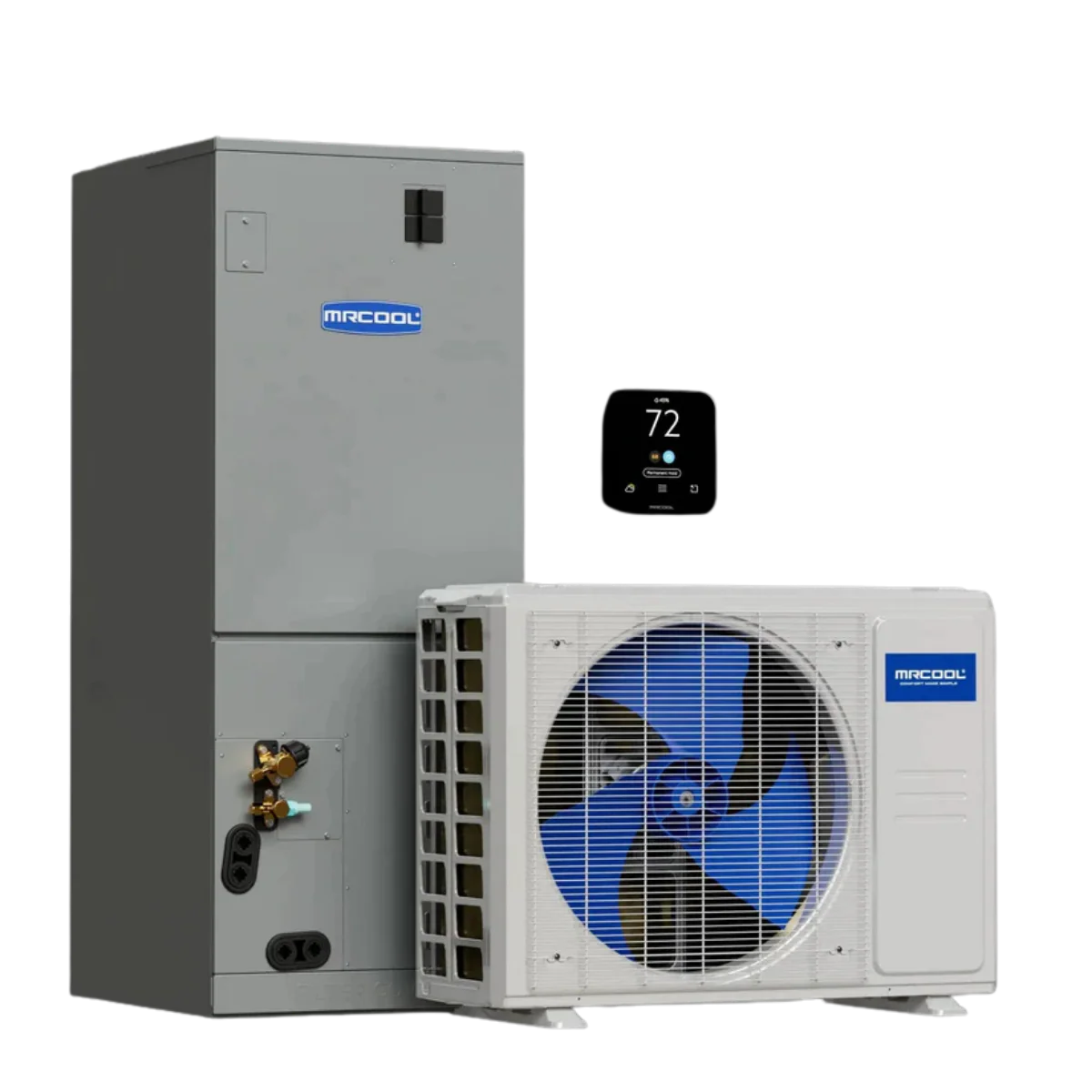
Central ducted heat pumps are increasingly common for whole-home heating and cooling, providing an efficient way to maintain indoor comfort across multiple rooms. These systems operate by transferring heat rather than generating it, allowing them to provide both heating in cooler conditions and cooling during warmer periods. By using a network of ducts to distribute conditioned air, central ducted heat pumps can deliver consistent temperatures throughout a building. Their ability to reverse operation depending on seasonal needs makes them a versatile option in modern HVAC design, particularly as energy efficiency and sustainability become more important considerations.
Within this broader category, systems such as the central split heat pump demonstrate how the technology can be configured to meet different structural and performance needs. In these setups, key components are separated between indoor and outdoor units, which can support quieter indoor operation and flexible installation. As part of the wider family of ducted systems, they share the same core principle of heat transfer while adapting to various building layouts. Overall, central ducted heat pumps represent a practical and adaptable approach to climate control in residential and light commercial environments.
Energy Efficiency and Cost Savings
The exceptional efficiency of central ducted heat pumps sets them apart from fuel-burning furnaces and conventional air conditioners. These units frequently reach operational efficiencies of over 300 percent, delivering three or more units of heating or cooling output per unit of electricity consumed. Upgrading to a modern heat pump could save families hundreds of dollars annually on energy bills, making the investment cost-effective in the long term. This is particularly true for households transitioning from older systems. Over time, as utility prices fluctuate, having an efficient system helps buffer homeowners from unexpected cost hikes, while lower maintenance requirements translate to reduced operating expenses. Rebates or incentives from government programs and local utilities often further sweeten the financial benefits, helping homeowners offset initial installation costs and promoting greener choices.
Performance in Various Climates
Advancements in compressor and refrigerant technology have expanded the climates where central ducted heat pumps can operate effectively. Whereas earlier models were best suited to milder regions, modern systems perform reliably even in areas with freezing temperatures. Low-ambient models use advanced compressors to maintain heating efficiency even in cold weather, ensuring the home remains comfortable year-round. Today’s heat pump systems offer viable alternatives to furnaces even in cold-weather environments. These innovations mean that families across diverse geographic regions can enjoy energy-efficient climate comfort year-round, building the case for widespread adoption. Furthermore, ducted systems maintain steady airflow and balanced humidity, which can improve indoor air quality and occupant well-being.
Installation Considerations
The feasibility of a central ducted heat pump often depends on the condition and design of a home’s existing ductwork. Professional assessment ensures that ducts are free of leaks and properly sized for the new system. A qualified technician will also evaluate the home’s insulation and make any necessary adjustments to ensure efficient operation. Choosing the correct system size is crucial for reliability and comfort; a system that’s too small may have trouble during extreme weather, whereas an overly large system can cycle too much, reducing efficiency. Homeowners should also consider the outdoor compressor unit’s placement, ensuring it is accessible for maintenance and that airflow is optimal. Planning ahead for incentives and future upgrades, such as smart thermostats, can streamline installation and further improve system performance for years to come.
Maintenance and Longevity
Regular maintenance is necessary for keeping a central ducted heat pump running smoothly. Homeowners are advised to change or clean air filters frequently, ensure the outdoor compressor unit remains unobstructed, and monitor thermostat operation for accuracy. Annual professional servicing checks refrigerant levels, inspects electrical connections, and identifies wear before it causes breakdowns. Following a consistent maintenance plan can help these systems last 15 years or more, giving peace of mind and maximizing return on investment. Over the years, ensuring timely repairs and regular tune-ups not only preserves energy efficiency but also safeguards indoor air quality and system reliability, especially during periods of heavy use or seasonal change.
Environmental Impact
Switching to a central ducted heat pump reduces reliance on fuels like oil and gas, lowering greenhouse gas emissions and aligning with sustainability goals. Heat pumps have a smaller carbon footprint, especially when paired with renewable energy sources for electricity. Widespread adoption is supported by various incentives and rebates designed to encourage energy efficiency and environmental stewardship. According to the U.S. Department of Energy, these benefits contribute to heat pumps’ growing reputation as the preferred green home comfort solution. With mounting attention on global climate responsibility, these home upgrades represent forward-thinking investments that benefit homeowners and the planet alike.
Conclusion
Central ducted heat pumps have emerged as a transformational option for homeowners seeking balanced, sustainable, and cost-effective comfort in their living spaces. With the ability to adapt to various climates and integrate with existing infrastructure, these systems are redefining how we think about home heating and cooling. Proper system selection, expert installation, and routine care ensure decades of efficiency and comfort, making central ducted heat pumps a logical upgrade for the modern, eco-conscious household. As more people prioritize sustainability and energy savings, these innovative systems are set to play an increasingly prominent role in the homes of tomorrow. Homeowners who opt for these solutions can look forward to not only greater comfort but also lasting impacts on energy use and the environment.