How Do I Prevent Cracking in Cement Render?
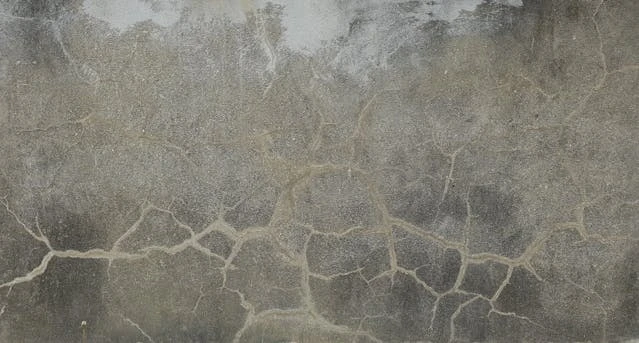
Cracking in cement render is one of the most frustrating problems a homeowner or tradie can face. You put in the time, mix the render, apply it carefully, and then a few weeks later the surface starts splitting. It looks poor, it can let in moisture, and fixing it costs time and money. The good news is that most cracking is preventable. With the right preparation, materials, and technique, you can achieve a solid, long-lasting finish. Here is what you need to know.
Also Read: Why Playing Cards Online Feels More Exciting Than Offline
Why Does Cement Render Crack?
Before jumping into prevention, it helps to understand why cement render cracks in the first place. The most common causes include substrate movement, shrinkage as the render dries, incorrect mix ratios, applying coats that are too thick, and adverse weather conditions during or after application. In many cases, cracking comes down to rushing the job or skipping key preparation steps. Understanding the cause makes it much easier to avoid.
Choosing the Right Mix Ratio
One of the biggest contributors to cracking is getting the mix wrong. A render that is too rich in cement will shrink aggressively as it dries, leading to a network of fine cracks across the surface. A mix that is too lean will be weak and struggle to bond properly to the wall.
A standard cement to sand ratio of 1:4 or 1:5 is recommended for most external render applications. If you are working in a particularly hot or dry climate, adding a plasticiser to the mix can improve workability and reduce the risk of shrinkage cracking. Always measure your mix consistently rather than estimating by eye.
Preparing the Substrate Correctly
Good preparation is the foundation of crack-free render. Before you apply anything, the surface needs to be clean, structurally sound, and free from dust, oil, and loose material. Any areas of loose or flaking substrate should be removed and made good before rendering begins.
Dampening the wall before application is a step that is often skipped but makes a significant difference. A dry substrate will absorb moisture from the render too quickly, causing it to dry unevenly and crack. Wet the wall thoroughly but allow it to reach a surface-dry condition before applying the render. For smooth or low-absorption surfaces, a bonding agent will help the render grip properly.
Applying Render in the Right Thickness
Applying render too thick in a single coat is one of the most common mistakes, and it almost always leads to cracking and slumping. Cement render should be applied in a two-coat system for best results.
The first coat, known as the scratch coat, should be applied at around 10 to 12mm thick. Once this has firmed up but not fully cured, it is scratched with a comb or notched tool to create a key for the second coat. The finishing coat is then applied at around 6 to 8mm thick, bringing the total thickness to approximately 15 to 20mm.
Understanding the different cement render finishes available can also help you plan the right application method and thickness for your chosen surface texture. Some finishes require a smoother base coat while others work better with a slightly coarser key.
Using Control Joints
Control joints are planned breaks in the render that allow for minor movement without causing cracking across the face of the wall. They are one of the most effective tools for managing cracking in large render areas and are often overlooked on DIY projects.
As a general rule, control joints should be placed every 4 to 5 metres across a rendered surface. They should also be positioned around window and door frames, at corners, and wherever the substrate changes material, for example where a brick wall meets a concrete column. These are all points where movement is likely to concentrate.
Curing the Render Properly
Curing is the process of keeping the render moist after application so it hardens slowly and evenly. This is one of the most critical steps and one of the most frequently skipped. When render dries too quickly, the surface shrinks faster than the body of the render behind it, resulting in surface cracking.
After applying the finish coat, mist the surface lightly with water two to three times a day for at least three to seven days. Protect the surface from direct sun and wind where possible by using shade cloth or hessian. Do not apply any paint or sealer until the render has fully cured, which typically takes around 28 days.
Environmental Conditions to Avoid
Timing your render job around the weather can make a significant difference to the outcome. Avoid rendering in direct sun or on very hot days, as the surface will dry too quickly before you have time to work it properly. Cold temperatures below 5 degrees Celsius can prevent the render from curing correctly and cause it to weaken.
High winds accelerate moisture loss and should also be avoided. If rain is forecast within 24 hours of application, postpone the job. In warmer climates, early mornings are often the best time to render as temperatures are lower and conditions are more stable.
When to Call a Professional
Some render jobs are well within DIY reach, but others are better left to a licensed plasterer. If you are working on a large surface area, dealing with a heritage substrate, or have experienced repeated cracking failures despite following best practice, it is worth getting a professional involved. The cost of fixing a poor render job almost always exceeds the cost of doing it right the first time.
Parting Advice
Preventing cracking in cement render comes down to preparation, using the right mix, applying render at the correct thickness in multiple coats, incorporating control joints, and curing the surface properly. Patience is just as important as technique. Take the time to do each step correctly and the result will be a durable, attractive finish that stands the test of time.