Sustainable Residential Landscaping Practices for Homeowners
Key Takeaways
- Native plants and local trees thrive in Randolph’s climate while supporting biodiversity.
- Smart irrigation, rain gardens, and reduced lawns lower maintenance needs and conserve resources.
- Organic care and pollinator-friendly designs build healthier local ecosystems.
- Adopting eco-friendly landscaping practices enhances the beauty and value of Randolph homes.
Residents of Randolph, Massachusetts, know how challenging it can be to balance beautiful outdoor spaces with practical and sustainable maintenance. With New England’s varied weather and unique ecology, homeowners looking to create lasting curb appeal and a healthy yard should focus on eco-friendly landscaping. By working with a professional lawn care service in Randolph, you can implement innovative practices that suit the local environment and promote long-term sustainability.
Randolph’s location brings cold, snowy winters and warm, humid summers, making plant selection and landscape design crucial for durability and resilience. Sustainable landscaping not only conserves natural resources but also reduces maintenance time and costs, improves property values, and contributes to a vibrant local ecosystem.
For many homeowners, sustainability means much more than just planting a few trees. It’s about thoughtful design that captures rainwater, reduces chemical use, and supports local wildlife, making Randolph’s neighborhoods unique and lively.
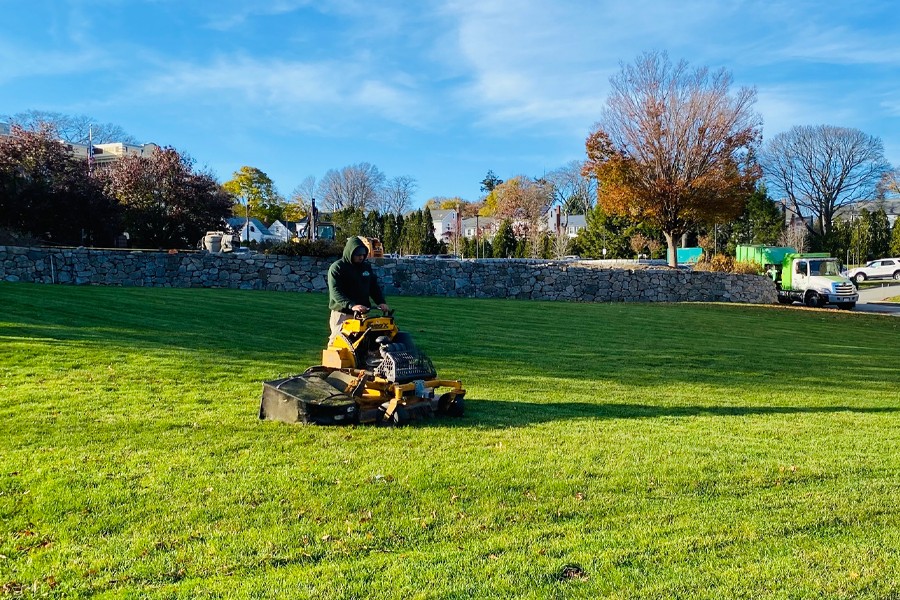
Beyond regular lawn service, comprehensive care, such as spring and fall clean ups, prepares your landscape for seasonal changes, further protecting your investment and minimizing environmental impact.
Choosing sustainable landscaping methods transforms both your property and the local environment, helping create a community in Randolph that flourishes in every season.
Choose Native Plants for Randolph’s Climate
Selecting native plants is foundational to sustainable landscaping. In Randolph, Massachusetts, local favorites such as butterfly weed, milkweed, and purple coneflower flourish without excessive watering or fertilizers. These plants have evolved to withstand local weather conditions, resist regional pests, and support essential pollinators such as bees and butterflies. Incorporating native trees, such as red maple or white oak, also encourages biodiversity and offers habitat for birds and small mammals.
Water-Efficient Irrigation Strategies
With fluctuating rainfall in the Bay State, efficient irrigation is key. Smart irrigation controllers that adapt to changing weather conditions reduce water waste by automatically adjusting watering schedules. Hydrozoning, grouping plants with similar moisture needs, makes each drop count and prevents overwatering. These water-saving systems are often eligible for rebates in Massachusetts, making them an environmentally and economically smart choice.
Reduce Traditional Lawn Areas
Large lawns in Randolph require frequent irrigation, mowing, and chemicals to stay lush. Replacing some of that turf with native plant beds, ornamental grasses, or low-maintenance groundcovers not only reduces watering and fertilizer use but also adds visual appeal. Some homeowners use clover or fescue mixes that require little mowing and thrive in partial shade, an asset in tree-lined suburban areas.
Adopt Organic Lawn Care Practices
Organic management safeguards your family and the environment around you. Using compost, organic fertilizers, and mulching nourishes beneficial soil microbes and lessens dependence on synthetic chemicals. Regularly composting grass clippings and leaves helps Randolph homeowners replenish soil nutrients and cut down on waste. These practices promote healthier, more resilient lawns and gardens without the risk of groundwater contamination or harming pollinators.
Design for Pollinators and Wildlife
Landscaping with pollinator habitats in mind can sustain local ecological balance. Planting clusters of wildflowers, native shrubs, and flowering herbs that bloom from early spring through late fall provides essential food sources. Bee hotels, birdhouses, and shallow birdbaths invite beneficial insects and birds, keeping your garden lively and productive. Avoiding broad-spectrum pesticides is crucial; balancing natural pest control with habitat support ensures the well-being of Randolph’s pollinators and birds.
Incorporate Permeable Hardscapes
Hardscape, including patios and walkways, should use permeable materials like gravel, permeable pavers, or spaced stones set in sand. These options allow rainwater to seep into the soil, reducing runoff while helping recharge local aquifers. Permeable hardscape minimizes puddling and erosion, especially important in areas like Randolph that often experience heavy rains and snowmelt.
Create Functional Rain Gardens
During heavy storms common in southeastern Massachusetts, rain gardens are invaluable for capturing runoff. By planting deep-rooted native species in shallow basins, you slow down and filter water naturally, reducing the load on Randolph’s municipal sewers and decreasing erosion. Rain gardens also replenish groundwater and serve as attractive focal points for your landscape design. The EPA’s rain garden guide offers step-by-step guidance on design and plant selection tailored to local conditions. Over time, these systems also help improve overall yard drainage and reduce flooding risks during extreme weather events.
Sustainable Maintenance for Randolph Lawns and Gardens
Sustainable landscaping is not a one-time effort. Regular mulching conserves moisture and suppresses weeds, reducing reliance on herbicides. Targeted pruning keeps plants healthy, while pest monitoring enables early intervention with non-toxic solutions. Integrated Pest Management (IPM) strategies encourage natural predators, reducing the need for chemical controls, and contribute to the long-term health of both your landscape and the larger Randolph ecosystem.
Conclusion
Sustainable landscaping in Randolph, Massachusetts, combines native plants, efficient irrigation, and eco-friendly maintenance to create resilient outdoor spaces. By reducing lawn size, improving soil health, and supporting pollinators, homeowners conserve resources while enhancing the beauty and property value of their homes. These practices build healthier, low-maintenance landscapes that thrive in every season.