Best Practices for Industrial Hose Installation, Inspection, and Maintenance
Introduction
Industrial hose systems play an important role in manufacturing plants, construction sites, processing facilities, and many other industrial environments. They transport liquids, gases, chemicals, air, and other materials between equipment and operating systems. Their performance can influence workplace safety, production efficiency, and the reliability of connected machinery. Incorrect installation, insufficient inspection, or poor maintenance can lead to leaks, pressure loss, equipment damage, and unexpected downtime. Establishing clear procedures for handling and maintaining Industrial hoses helps businesses reduce operational risks and extend equipment service life. By following appropriate installation methods, conducting regular inspections, and addressing wear before it becomes a serious problem, industrial facilities can maintain dependable fluid transfer systems and support safer working conditions.
Understanding Industrial Hose Requirements
Before installing a hose, it is important to understand the requirements of the application. Different industrial processes involve varying temperatures, pressures, materials, and environmental conditions. Selecting equipment without considering these factors can result in premature failure or unsafe operation.
Identify the Material Being Transported
The transported substance is one of the most important factors when choosing a hose. Water, compressed air, oils, chemicals, and abrasive materials can require different hose constructions. Some substances may react with particular rubber compounds, plastics, or metal components.
Always check the manufacturer’s chemical compatibility information before selecting a hose. Consider the concentration of the material, its temperature, and the duration of contact. For hazardous substances, additional containment and safety measures may be necessary.
Confirm Pressure and Temperature Ratings
Every hose has defined operating limits. The selected product should be capable of handling the system’s normal working pressure and temperature, along with any expected operating variations.
It is also important to account for pressure surges, vacuum conditions, and temperature fluctuations where applicable. Never assume that a hose suitable for one process will perform safely in another. The entire assembly, including fittings and couplings, must be rated for the intended operating conditions.
Best Practices for Industrial Hose Installation
Correct installation helps prevent unnecessary stress, leakage, and premature deterioration. Following an organized installation procedure can also make future inspections and maintenance easier.
Inspect Components Before Installation
Before connecting a hose, examine its outer surface, fittings, and sealing components for visible damage. Look for cuts, cracks, flattened sections, corrosion, contamination, or other defects that could affect performance.
Confirm that the hose length, diameter, pressure rating, and connection type match the system requirements. Damaged or incompatible components should not be installed. Keeping installation records can help maintenance teams track equipment details and replacement dates.
Maintain the Correct Bend Radius
Hoses should never be bent more sharply than the minimum bend radius specified by the manufacturer. Excessive bending can restrict material flow, damage reinforcement layers, and weaken the hose structure.
Plan the installation route carefully to avoid tight turns, twisting, and unnecessary tension. Where required, use suitable supports or guides to maintain the correct shape. The hose should remain flexible enough to accommodate normal movement without becoming stretched or compressed.
Secure Connections Properly
Connections must be compatible with the hose and the equipment to which it is attached. Incorrect fittings can cause leaks, reduce pressure integrity, or allow the hose to separate during operation.
Follow the recommended assembly procedure and use suitable tools. Avoid excessive tightening, which may damage threads, seals, or fittings. After installation, inspect the connections and perform the required leak or pressure checks using approved procedures before placing the system into service.
Routine Industrial Hose Inspection Procedures
Regular inspection helps identify developing problems before they interrupt production or create safety hazards. Inspection schedules should reflect operating conditions, the transported material, equipment criticality, and manufacturer recommendations.
Check for External Damage
Examine the hose surface for cracks, abrasions, cuts, bulges, kinks, exposed reinforcement, and signs of heat damage. These conditions may indicate that the hose has reached the end of its useful life or has been exposed to unsuitable operating conditions.
Pay particular attention to areas near fittings, moving machinery, sharp edges, and locations exposed to vibration. Record any unusual findings and arrange a qualified assessment when necessary.
Monitor Leaks and Performance Changes
Unexpected moisture, chemical residue, unusual odors, pressure fluctuations, or reduced flow may indicate a hose problem. However, not every defect is visible from the outside, so performance monitoring should accompany visual inspections.
If a leak or other dangerous condition is suspected, follow the facility’s shutdown and isolation procedures. Never attempt to tighten or repair a pressurized hose assembly while it is operating.
Inspect Fittings and Supports
Connections, clamps, brackets, and support points should be examined for looseness, corrosion, movement, or excessive wear. Vibration can gradually affect connections and place additional stress on the hose.
Ensure that supports hold the assembly securely without crushing or restricting it. Correct alignment can help reduce mechanical strain and maintain dependable operation.
Effective Industrial Hose Maintenance Strategies
Preventive maintenance helps industrial facilities reduce unexpected failures and control equipment replacement costs. A consistent maintenance program should include cleaning, documentation, testing, and timely replacement.
Clean Hoses According to Requirements
Cleaning procedures should be compatible with the hose material and the substance previously transported. Some cleaning agents can weaken internal layers or cause swelling, cracking, and other forms of deterioration.
Use approved cleaning methods and ensure that residues are removed where required. For food processing, pharmaceutical production, or chemical applications, follow the relevant hygiene, contamination-control, and safety requirements.
Follow Appropriate Testing Procedures
Some hose assemblies require scheduled pressure testing or other condition assessments. Testing should be performed by qualified personnel using methods suitable for the specific hose type and application.
Never exceed the manufacturer’s approved test pressure or use improvised testing methods. For assemblies handling hazardous materials, additional inspection and testing requirements may apply under relevant industry standards and regulations.
Replace Worn or Damaged Hoses Promptly
Repairing a damaged hose is not always safe or permitted. Decisions about repair, continued service, or replacement should follow the manufacturer’s guidance and applicable requirements.
Establish clear replacement criteria based on visible damage, inspection results, service history, and operating conditions. Keeping compatible replacement assemblies available can help reduce downtime when a hose must be removed from service.
Safe Storage and Handling Practices
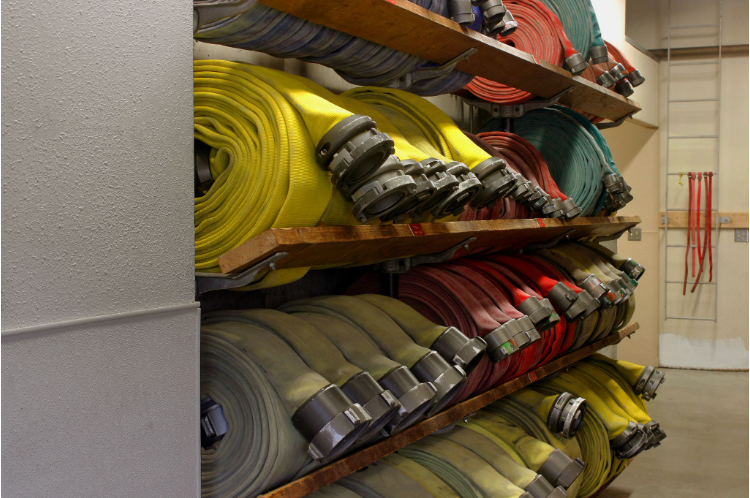
Proper storage protects hoses from environmental damage before they are needed. Store them in a clean, dry location with suitable temperature conditions and protection from sunlight, chemicals, sharp objects, and mechanical loads.
Avoid dragging hoses across rough surfaces or allowing vehicles and heavy equipment to run over them. When moving hose assemblies, use appropriate handling methods that prevent twisting, crushing, or damage to fittings.
Clearly labeling hoses according to their intended application can also reduce the risk of connecting the wrong assembly to a system. Storage procedures should preserve the hose’s shape and follow the manufacturer’s recommendations.
Conclusion
Reliable hose performance depends on selecting suitable equipment, installing it correctly, inspecting it consistently, and maintaining it according to established safety procedures. Businesses should pay close attention to pressure ratings, chemical compatibility, bend radius, secure connections, and signs of deterioration. A documented preventive maintenance program makes it easier to identify problems, plan replacements, and reduce unexpected interruptions. By applying these best practices throughout the equipment’s service life, organizations can improve workplace safety, protect connected machinery, and maintain efficient operations. Proper care of Industrial hoses supports dependable material transfer and helps industrial facilities maintain reliable systems under demanding working conditions.