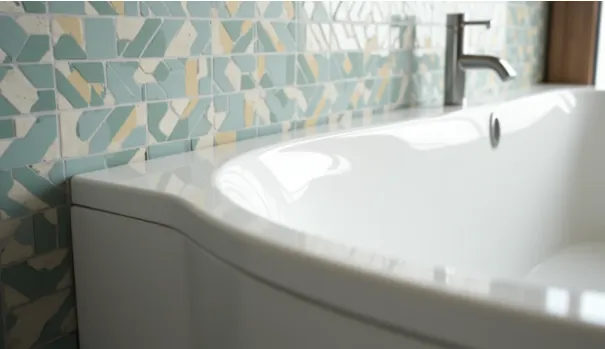
How Do You Prevent Water Damage Around Your Bathtub?
Water damage around a bathtub is one of the most common — and costly — household issues. Left unmanaged, even minor moisture seepage can escalate into structural deterioration, mold development, and expensive repairs. This guide delivers a high-authority, user-focused breakdown of how to safeguard your bathtub zone with practical, durable, and preventive strategies designed to outperform competing content.
Also Read: Transform Outdoor Events with Custom Hunting & Camping Cornhole Boards
1. Understand the Real Causes of Bathtub Water Damage
Before establishing preventive measures, it’s essential to decode why water damage occurs in the first place. Typical causes include:
- Micro-gaps between the tub and wall
- Cracked or deteriorated caulking and sealants
- Faulty tile grout
- Splash-over due to poor bathtub design or placement
- Inadequate ventilation
- Aging plumbing components
Once you identify the underlying triggers, you can deploy targeted interventions that extend the life of your bathroom infrastructure.
2. Reinforce the Perimeter With Proper Sealing
A robust sealing system is the first defense against moisture intrusion. Strategic sealing ensures that water cannot penetrate walls, subfloors, or cabinetry.
Key actions:
- Use high-quality silicone caulk around the edges of the tub
- Seal vertical joints between walls and tile
- Replace caulk every 12–18 months
- Smooth out sealant lines to avoid micro-pockets
Pro tip: A flexible waterproof sealant adapts to subtle movement around the tub, preventing cracks from forming in high-humidity environments.
3. Upgrade Wall and Floor Protection With High-Performance Tiles
If your bathroom setup includes poorly installed or low-grade wall or floor materials, moisture will find its way in. Selecting the right finishes builds long-term resilience.
When designing or renovating this zone, explore quality tiles for bathroom, as they offer superior water resistance, long-term durability, and enhanced aesthetic value. Tiles form a protective barrier that significantly reduces moisture seepage compared to softer or porous materials.
4. Optimize Grouting and Tile Maintenance
Grout is a subtle yet critical factor. Once it cracks or erodes, water will slip behind your tiles — often unnoticed until major damage surfaces.
Maintenance recommendations:
- Regrout high-moisture zones every 2–4 years
- Use epoxy-based grout for superior waterproofing
- Apply a grout sealer annually
- Inspect corners and wall joints frequently
For homeowners planning a renovation or new installation, it can be helpful to explore options and buy tiles online to compare styles, finishes, and waterproofing performance more efficiently.
5. Install and Maintain a Splash Guard System
Splash guards and tub extenders are purpose-built to prevent water from escaping the tub area. These components direct water flow back into the tub rather than allowing it to pool where it shouldn’t.
Benefits:
- Reduces edge spillover
- Prevents mildew formation on exterior walls
- Protects floors from repeated wetting
Consider pairing splash guards with a fitted shower curtain or a frameless glass door for maximum coverage.
6. Elevate the Design With Smart Tile Concepts and Moisture-Ready Layouts
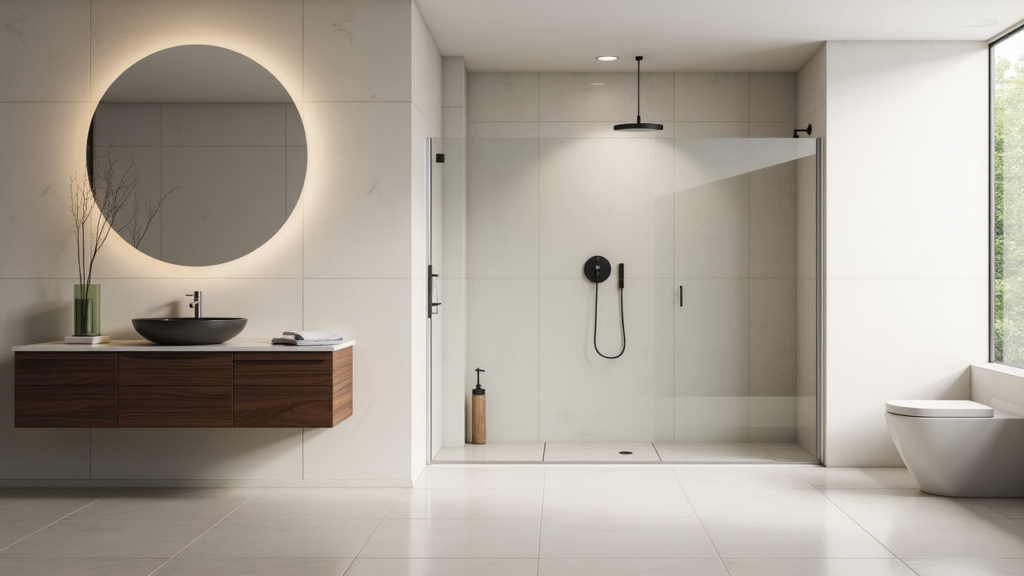
Modern bathroom design isn’t just about aesthetics; it’s about performance and longevity. Integrating robust design principles ensures water stays contained and your surfaces remain protected.
Examples of smart design upgrades include:
- Sloped flooring around the tub perimeter to guide water to the drain
- Waterproof tile backer boards
- High-rise tile borders that prevent splash saturation
- Moisture shields behind wall tiles
To build an even stronger design strategy, explore an understanding of tile ideas that highlight how different tile materials, textures, and installation methods contribute to water resistance and structural stability.
7. Strengthen Exterior Surfaces and Subflooring
The area you can’t see — the subfloor — often suffers the most. Reinforcing concealed layers ensures a more durable, moisture-safe environment.
Recommended upgrades:
- Use cement boards instead of drywall behind tiles
- Apply waterproofing membranes around the tub base
- Ensure proper slope direction for drainage
- Add moisture-resistant underlayment beneath flooring
These structural components play a major role in preventing long-term rot and mold growth.
8. Improve Ventilation and Humidity Control
Even with perfect sealing and robust tilework, humidity can still damage the bathtub area over time.
Optimal ventilation practices:
- Use a high-CFM exhaust fan designed for your bathroom size
- Run the ventilator for 15–20 minutes after each bath or shower
- Keep windows slightly open when possible
- Install a humidity sensor fan for automated moisture control
Reducing humidity is essential for preventing condensation, mold formation, and premature material breakdown.
9. Conduct Routine Inspections and Preventive Maintenance
Proactive maintenance is the backbone of long-term bathtub protection.
What to check monthly:
- Soft spots in caulk
- Loose or hollow tiles
- Water pooling at edges
- Dripping faucets
- Discoloration on walls or flooring
Early detection allows you to intervene before damage escalates.
Conclusion
Preventing water damage around your bathtub requires a structured, forward-thinking approach that blends quality materials, vigilant maintenance, and intelligent design choices. When you invest in high-performance tiles, robust sealing systems, and moisture-resistant structural upgrades, you create a bathroom environment that resists long-term deterioration and stays functional and visually appealing for years. By staying proactive and prioritizing durability, you can significantly reduce the risk — and the cost — of bathtub-related water damage.