Selling an Older Home in Silver Spring, Maryland
Key Takeaways
- Older Silver Spring homes can appeal to buyers when their strengths, condition, and repair needs are presented honestly.
- Fixing active leaks, safety concerns, and major system failures may protect value more effectively than cosmetic renovations.
- Traditional listings, as-is listings, and direct offers each involve different tradeoffs in price, preparation, timing, and certainty.
- A seller should compare expected net proceeds, not simply accept the highest headline offer.
- Property disclosures, title work, loan payoff details, and ownership documents can affect the path to closing.
Selling an older property calls for a plan that fits the home and the seller’s circumstances. A homeowner balancing repairs, a move, an inherited property, or a vacant house may explore a Quick home sale in Silver Spring, MD, alongside a conventional listing. The right approach depends on more than the year a house was built. Its location, maintenance history, layout, lot, financing status, and the seller’s preferred closing date all shape the best available option.
Silver Spring Setting and 2026 Selling Context
Silver Spring has established residential streets with a wide range of housing, including older detached homes, bungalows, Colonials, ramblers, townhomes, condominiums, and newer multifamily residences. Access to transit, commuter routes, parks, shopping, and downtown amenities can influence how prospective buyers view a particular address. Because Silver Spring sits within the broader Washington area housing market, conditions can differ noticeably from one neighborhood to another. Recent comparable sales, active competition, condition, and buyer expectations for the immediate area should guide pricing more than broad regional headlines. For homeowners who want to compare selling paths before committing to repairs or showings, https://crofmaryland.com/ can serve as one starting point for requesting information about a direct-sale option. Any offer should still be reviewed against likely market value, selling expenses, and the contract terms.
Why Older Homes Need a Different Selling Plan
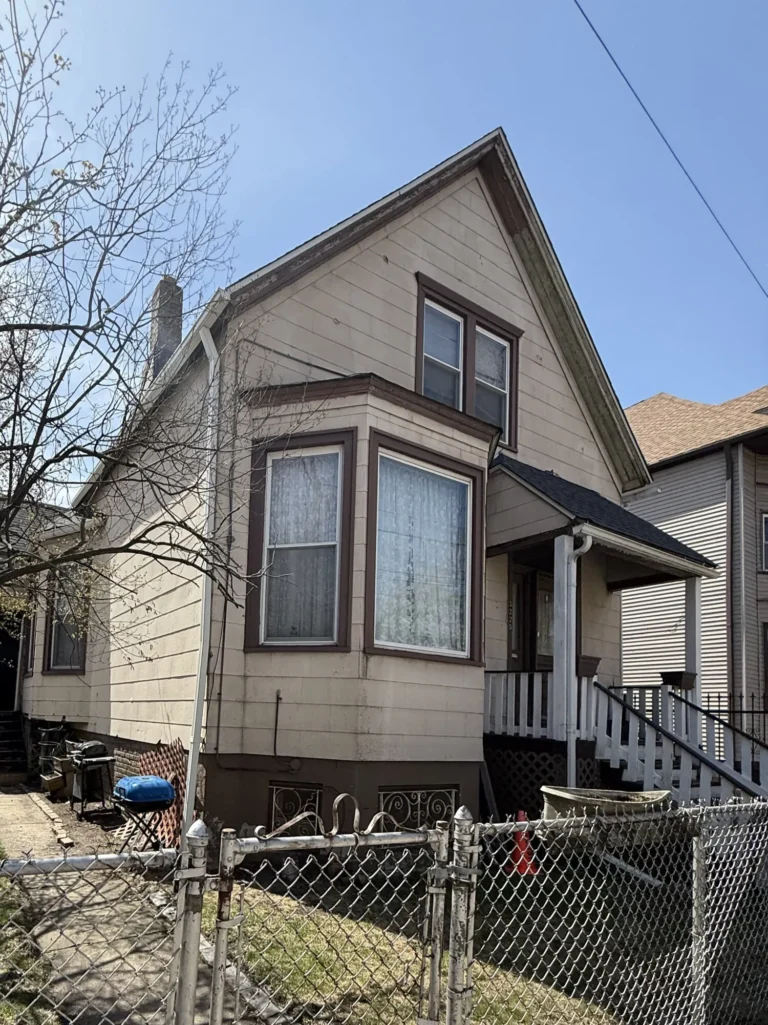
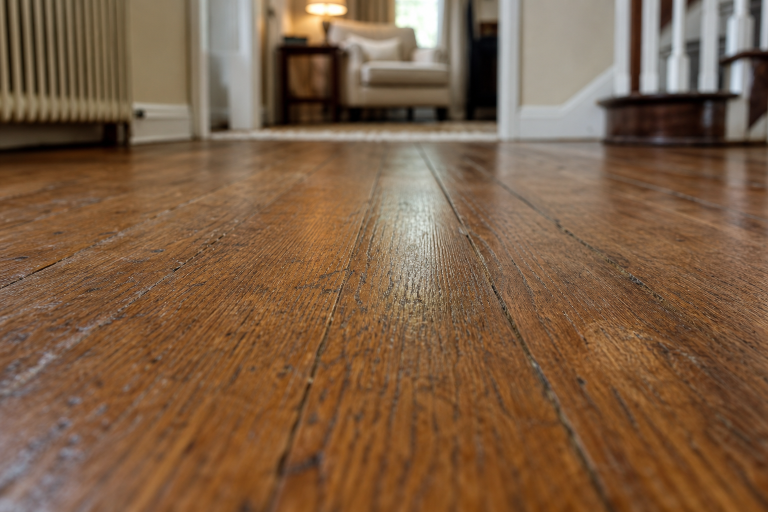
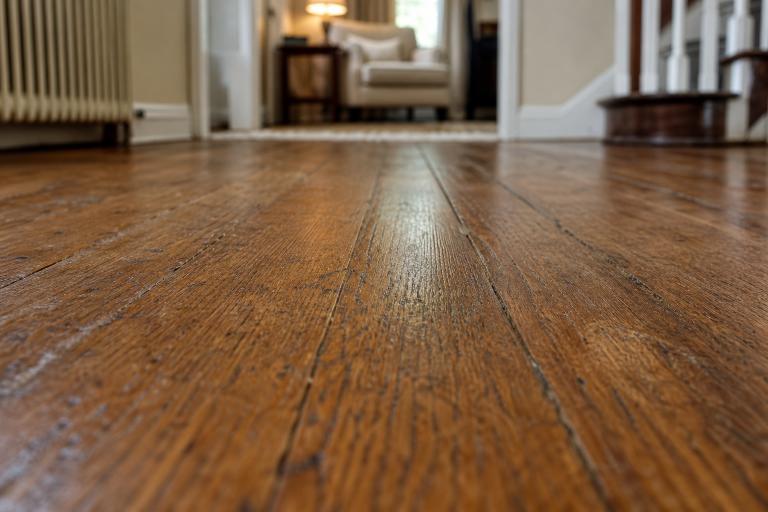
Age is not automatically a disadvantage. Mature landscaping, established streets, hardwood floors, larger lots, and distinctive architecture can make an older home memorable. At the same time, buyers may focus closely on older roofs, windows, heating equipment, plumbing, electrical panels, drainage, insulation, and unfinished basements. Before 1978, many homes were painted with products that may contain lead. Sellers of older properties should keep available records organized and understand applicable requirements, especially when the home has been used as a rental. A clear condition summary helps buyers distinguish between routine aging and issues that need prompt attention.
Step One: Create a Clear Condition Picture
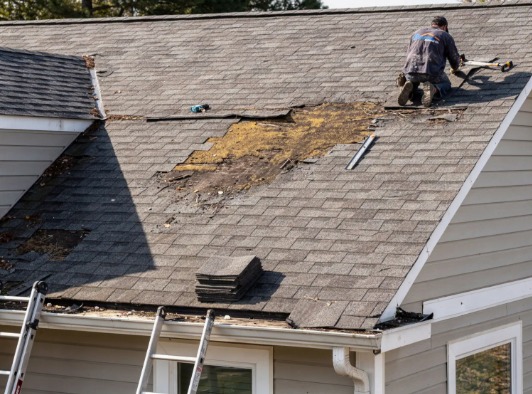
A short pre-sale review can prevent unrealistic pricing and unpleasant surprises after an offer arrives. Walk through the roofline, attic, basement, or crawl space, kitchen, bathrooms, utility areas, exterior steps, and drainage paths. Look for active leaks, standing water, musty odors, damaged masonry, visible pest activity, or loose railings. Record the approximate age and service history of major systems, then gather invoices, warranties, permits, surveys, and past inspection reports. A qualified contractor, electrician, plumber, or structural professional can help assess a serious concern. The goal is not to make the house perfect. It is to understand what is being sold.
Repairs That Usually Deserve Attention
High-Priority Work
- Active roof or plumbing leaks
- Water intrusion, poor drainage, or moisture problems
- Unsafe electrical conditions or failed heating and cooling equipment
- Loose steps, failing railings, or other evident safety hazards
- Significant pest, structural, or foundation concerns
Updates to Evaluate Carefully
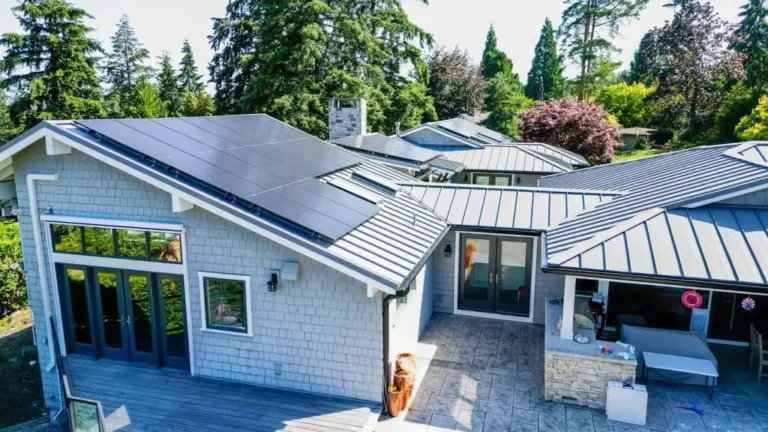
- Luxury countertops, custom lighting, and premium appliances
- Full kitchen or bathroom redesigns based on personal taste
- Major landscaping projects completed solely for a sale
Compare any project’s likely benefit with contractor costs, delays, financing needs, and additional monthly carrying costs. In many cases, cleaning, decluttering, minor touch-ups, and realistic pricing provide a better return than an extensive renovation.
Three Common Ways to Sell
Traditional Open-Market Listing
This route can provide broad exposure and may suit a home that is safe, presentable, and priced in line with nearby comparable properties. Sellers should expect preparation, showings, inspections, appraisal concerns, negotiations, and possible lender requirements.
As-Is Listing
An as-is listing allows a seller to avoid completing every update, but it does not mean hiding known conditions. Maryland law provides for residential disclosure and disclaimer requirements, and the state’s requirements should be considered with a qualified real estate professional or attorney. Inspection negotiations and financing limitations can still arise.
Direct Offer
A direct buyer may reduce showings and offer a more defined timeline, which can matter during relocation, estate administration, vacancy, or a repair-heavy situation. Verify proof of funds, inspection rights, assignment language, closing responsibilities, and the buyer’s ability to complete the purchase.
Compare Offers by Net Proceeds
The highest price is not always the strongest offer. Estimate net proceeds by subtracting commissions or fees, closing costs, repair expenses, seller credits, carrying costs, and mortgage payoff amounts from the sale price. Also, compare the financing contingency, appraisal terms, earnest-money provisions, closing date, possession date, and cancellation risk. Request a seller’s net sheet before accepting a contract. It should account for property taxes, utilities, title and settlement charges, association or condominium document fees, insurance, cleaning, moving, storage, and, when relevant, temporary housing.
Documents and Timeline Basics
Gather the deed, mortgage information, property tax records, repair receipts, permits, utility information, association documents, leases, and any estate, probate, divorce, or power-of-attorney paperwork. Missing documents do not always stop a sale, but locating them early can reduce delays. A typical process includes planning, selecting repairs or cleanout, pricing or offer review, contract negotiations, inspections, title work, lender review when applicable, and settlement. Title defects, permit questions, condominium paperwork, estate authority, and inspection findings can extend that timeline.
Red Flags and a Final Checklist
Be cautious when a buyer pressures you to sign immediately, leaves blanks in an agreement, cannot show funding details, makes verbal promises not included in writing, or asks to bypass a licensed settlement or title professional. Review the contract before signing.
- Set a target closing date and calculate monthly holding costs.
- Identify urgent repairs and gather property records.
- Review recent comparable sales and competing listings.
- Compare traditional, as-is, and direct-sale options.
- Obtain written estimates of net proceeds.
- Have a qualified professional review the final agreement.
For an older home in Silver Spring, Maryland, the strongest selling decision balances price, effort, timing, and certainty. A well-documented condition, realistic expectations, and careful contract review can help a seller move forward with confidence.
Conclusion
Selling an older home in Silver Spring, Maryland, does not always require a major renovation. By understanding the property’s condition, addressing key safety or system issues, organizing necessary documents, and carefully comparing selling options, homeowners can choose a strategy that fits their needs. Whether selling traditionally, as-is, or through a direct offer, the goal should be to balance net proceeds, preparation, timing, and certainty. A realistic plan and careful review of disclosures, title details, and contract terms can help make the sale smoother and reduce unexpected challenges.