
How Sustainable UV Protective Fabric Supports Performance and Comfort
The Science Behind Sun Block Textiles
Sun block textiles are engineered to act like a shield against the sun’s harmful ultraviolet rays. This isn’t just about thick, heavy materials; modern advancements allow for lightweight fabrics that still offer serious protection. The effectiveness of this uv protection fabric comes down to a few key factors: the type of fiber used, how tightly it’s woven, and any special finishes applied. Think of it as a sophisticated weave that physically blocks UV radiation from reaching your skin.
Many of these fabrics are designed to achieve a high Ultraviolet Protection Factor (UPF) rating. A UPF rating tells you how much UV radiation a fabric allows to pass through. For instance, a UPF 50+ fabric blocks over 98% of the sun’s rays. This is a significant difference compared to regular clothing, which offers minimal protection. The goal is to create uv resistant fabric that feels good to wear while providing reliable defense.
It’s important to understand that not all UV protective fabrics are created equal. Some rely on chemical treatments that can wash out over time, while others use the inherent properties of the fibers and the fabric’s construction. The latter tends to offer more durable and long-lasting protection. This technology is what makes uv resistant fabric for clothing a smart choice for anyone spending time outdoors.
Performance Advantages of UV Protective Fabric
Enhanced Comfort During Outdoor Activities
When you’re out in the sun, comfort is key. UV protective fabric helps keep you feeling good, even when the sun is beating down. It’s designed to be lightweight and breathable, so you don’t feel weighed down or overheated. This means you can spend more time enjoying your activities without constantly thinking about the heat or the sun’s rays. The right fabric makes a big difference in how long and how comfortably you can stay outside.
Moisture Management and Breathability
Nobody likes feeling sticky and damp. UV protective fabric often comes with built-in moisture-wicking properties. This means it pulls sweat away from your skin and lets it evaporate quickly. This keeps you drier and cooler. Good breathability is also a big part of this. It allows air to circulate freely, preventing heat from building up. This combination is great for any kind of physical activity.
Durability for Active Lifestyles
If you’re someone who’s always on the move, you need gear that can keep up. UV protective fabric is typically made to be tough. It can handle the wear and tear that comes with hiking, running, or just being active outdoors. This means your clothing will last longer, saving you money in the long run. You get reliable protection and performance, trip after trip.
Choosing clothing with good UV protection means you’re investing in gear that works hard for you, keeping you comfortable and shielded so you can focus on what you’re doing, not on the elements.
Here’s a quick look at what makes these fabrics perform well:
- Breathability: Allows air to pass through, keeping you cool.
- Moisture-wicking: Pulls sweat away from the skin.
- Lightweight: Doesn’t feel heavy or restrictive.
- Durable: Stands up to regular use and washing.
This type of fabric is a game-changer for anyone who spends time outdoors, whether for work or play. It’s all about making your time outside more enjoyable and safe.
The Role of Sustainability in UV Protective Fabric
Eco-Friendly Material Choices
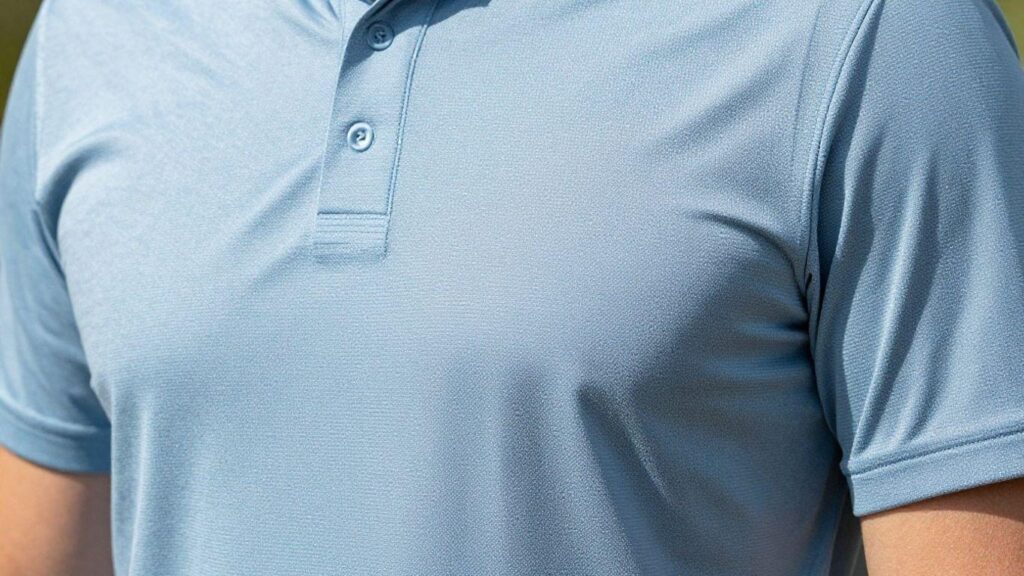
Choosing fabrics that are kind to the planet is becoming a big deal. When we talk about UV protective fabric, it’s not just about blocking the sun anymore. It’s also about where the material comes from and how it’s made. Think organic cotton, recycled polyester, or even innovative materials like Tencel. These options use fewer chemicals and less water during production. This means your sun-blocking gear can also be good for the Earth. It’s a way to enjoy the outdoors without leaving a heavy footprint.
Reducing Environmental Impact
Making clothes has an impact, and sustainable UV protective fabric aims to lessen that. Traditional manufacturing can use a lot of resources and create pollution. By opting for eco-friendly materials and smarter production methods, brands can cut down on waste and harmful byproducts. This is important for the planet’s health. It’s about making choices that support a cleaner environment for everyone. Choosing sustainable UPF wear is a step in the right direction.
Supporting a Circular Fashion Economy
A circular fashion economy is all about keeping materials in use for as long as possible. For UV protective fabric, this could mean using recycled materials to make new clothes or designing garments that can be easily repaired or recycled at the end of their life. It’s a shift away from the ‘take-make-dispose’ model. This approach helps reduce the demand for new resources and minimizes waste. It’s a smart way to think about clothing that lasts and has less impact over time. Sustainable UPF clothing fits well into this idea.
Benefits for Health and Well-being
Minimizing Skin Damage Risks
Spending time outdoors is great, but the sun’s rays can be harsh. UV protective fabric acts like a shield for your skin. It significantly cuts down on your exposure to harmful ultraviolet radiation. This means a lower chance of sunburn and, over time, a reduced risk of more serious skin issues. Wearing UPF 50+ rated clothing is a smart move for anyone who enjoys the sun. It’s a simple way to add a layer of defense without a lot of fuss.
Reducing Exposure to Harmful Chemicals
Many regular fabrics are treated with chemicals during production. These can sometimes irritate the skin, especially with prolonged contact. UV protective fabric, particularly when made with sustainable materials, often skips these harsh treatments. This means less chance of allergic reactions or skin sensitivity. It’s a healthier choice for your body, letting you enjoy your activities without worry. The focus is on safe, comfortable wear.
Peace of Mind for Outdoor Enthusiasts
Knowing you’re protected lets you relax and focus on what you’re doing. Whether you’re hiking, gardening, or just out for a walk, this type of clothing offers confidence. You don’t have to constantly reapply sunscreen to covered areas. This peace of mind is a big part of why people choose UV protective fabric. It allows for more enjoyment of the outdoors, safely and comfortably. It’s about making the most of your time outside.
Choosing and Caring for Your UV Protective Fabric
Evaluating Fabric Composition and Certifications
When picking out UV protective fabric, it’s smart to look at what it’s made of and what seals of approval it has. Think about the weave of the fabric; a tighter weave generally means better sun blocking. You’ll want to see a UPF rating, ideally 30 or higher, to know it’s doing its job. Certifications matter too. Look for labels that show the fabric is tested and meets standards for UV protection. This helps you know you’re getting what you pay for.
Beyond just the UPF number, consider the materials themselves. Are they eco-friendly? Things like organic cotton or bamboo are good choices. Also, check for any certifications related to ethical production or environmental standards, like GOTS. This way, you’re not just protecting your skin, but also making a choice that’s better for the planet. It’s about getting good UPF wear that aligns with your values.
Making an informed choice means looking beyond the surface. It’s about understanding the technology and the ethics behind the fabric. A well-made piece of UV protective fabric should feel good, perform well, and give you confidence in its protective qualities and its origin. Don’t be afraid to do a little digging to find brands that are transparent about their processes and materials.
Ensuring Longevity Through Proper Care
To keep your UV protective fabric working its best for a long time, how you care for it is key. Washing instructions are there for a reason. Generally, it’s best to wash these garments in cold water with a mild detergent. Avoid using fabric softeners or bleach, as these can break down the special fibers that provide UV protection. Always check the care label before washing.
When it comes to drying, air drying is usually the way to go. High heat from a dryer can damage the fabric and reduce its UPF rating over time. If you must use a dryer, use the lowest heat setting possible. Proper care means your UPF wear will continue to shield you effectively for many adventures to come.
Taking a few extra minutes to care for your specialized clothing can make a big difference in its lifespan and effectiveness. It’s a small effort for a significant return in protection and durability.
Making Informed Sustainable Fashion Choices
Choosing sustainable fashion means thinking about the whole life of a garment. This includes how it’s made, how long it lasts, and what happens to it when you’re done with it. When you buy UV protective fabric items, think about their durability. Will they hold up to regular use and washing? Opting for quality pieces means you won’t have to replace them as often, which is better for your wallet and the environment.
Consider the materials used. Are they recycled, organic, or biodegradable? Brands that are open about their supply chains and use eco-friendly materials are usually a good bet. Supporting these brands helps push the fashion industry towards more responsible practices. It’s about more than just looking good; it’s about feeling good about your choices.
Here’s a quick guide to making better choices:
- Check the UPF rating: Aim for 30+ for good protection.
- Look for sustainable materials: Organic cotton, recycled polyester, bamboo.
- Research the brand: Do they have ethical and environmental policies?
- Consider durability: Will it last through many wears and washes?
- Think about end-of-life: Is it recyclable or biodegradable?
A Smart Choice for You and the Planet
So, when it comes down to it, picking clothes made with these special sun-blocking and cooling fabrics just makes sense. They help you stay comfortable, whether you’re out for a run or just hanging out, and they keep those harsh sun rays off your skin. Plus, knowing that many of these materials are also better for the environment makes the choice feel even better. It’s a simple way to look after yourself and do a little something good for the world around us, all at the same time.