How to Choose the Right Hobby for Your Lifestyle
Assessing Your Interests and Passions
Retirement offers a unique chance to explore what truly sparks joy. It’s a time to look back at what you’ve always enjoyed or perhaps things you never had the time for. Think about activities that made you feel alive in the past. What did you love doing as a child? What subjects always caught your attention? Identifying these core interests is the first step in finding a fulfilling pastime. This self-reflection helps pinpoint activities that will genuinely engage you.
Consider hobbies that align with your personality. Are you someone who thrives on quiet contemplation, or do you prefer lively group settings? Do you enjoy working with your hands, or is your passion more intellectual? Understanding these preferences will guide you toward hobbies that feel natural and rewarding. The goal is to find something that feels less like an obligation and more like a natural extension of yourself.
Don’t be afraid to try new things. If you want a big menu of ideas to experiment with, the ultimate hobby guide for seniors pulls together 50 options like gardening, hiking, cooking, and game nights so you can test-drive what actually fits your days. Retirement is the perfect time for exploration. You might discover a hidden talent or a new passion you never knew you had. The key is to be open-minded and willing to step outside your comfort zone. This exploration phase is vital for discovering your ideal retirement pastimes.
Considering Your Physical and Mental Energy Levels
It’s important to be realistic about your physical capabilities and energy reserves. Some hobbies require significant physical exertion, while others are more sedentary. Think about what feels comfortable for you on a typical day. Are you looking for something to get you moving, or a more relaxed activity to wind down with? Matching a hobby to your energy level prevents frustration and ensures you can enjoy it consistently.
Your mental energy is just as important. Some activities demand intense focus and problem-solving, while others are more about simple enjoyment and relaxation. Consider how much mental effort you want to put in. Do you want a hobby that challenges your mind, or one that provides a mental break? Finding the right balance will make your chosen pastime a source of pleasure, not a drain.
It’s also wise to consider how your energy levels might change. Perhaps you can start with a less demanding version of a hobby and gradually increase the intensity as you feel more capable. The aim is to find activities that fit your current lifestyle but also allow for growth. This thoughtful consideration is key to selecting a hobby that you can sustain and enjoy throughout your retirement.
Exploring Hobbies That Offer New Learning Opportunities
Retirement is an excellent time to embrace lifelong learning. Many people find great satisfaction in picking up a new skill or delving into a subject they’ve always been curious about. Hobbies that involve learning can keep your mind sharp and provide a sense of accomplishment. Think about areas where you’ve always wanted to gain knowledge or develop a new ability.
Consider hobbies that involve a learning curve. This could be anything from learning a new language, mastering a musical instrument, or understanding a complex craft. The process of acquiring new knowledge and skills can be incredibly rewarding. It keeps your brain active and engaged, offering a stimulating way to spend your time. The journey of learning itself can be the most enjoyable part of the hobby.
Don’t shy away from challenges. While some learning opportunities might seem daunting at first, breaking them down into smaller steps can make them manageable. Many resources are available, from online courses and books to local workshops and mentors. Exploring these learning opportunities can lead to unexpected discoveries and a richer retirement experience.
Embracing Creative and Artistic Pursuits
Retirement offers a fantastic chance to explore creative hobbies. These activities aren’t just about making things; they’re about engaging the mind and finding personal expression. Many find that picking up a paintbrush or a musical instrument can bring a new sense of joy and accomplishment.
The Joy of Drawing and Painting
Drawing and painting are classic creative outlets. They allow for a wide range of expression, from detailed sketches to vibrant abstract pieces. It’s a wonderful way to see the world differently, noticing colors and shapes you might have overlooked before. Learning new techniques can be a rewarding challenge, and the process itself is often quite calming. Many find that the simple act of putting color to paper or canvas is deeply satisfying.
Exploring Musical Instruments and Expression
Picking up a musical instrument can be incredibly fulfilling. Whether it’s a guitar, piano, or even a harmonica, music offers a unique way to express emotions. You don’t need to aim for professional levels; simply learning a few chords or a simple melody can bring a lot of pleasure. Joining a casual jam session or a community band can also add a social element to this creative pursuit. Music truly has a way of connecting people.
Engaging in Craftsmanship Like Leatherworking
Craftsmanship, such as leatherworking, provides a tangible result for your efforts. Creating items like wallets, belts, or small bags can be very rewarding. It involves learning specific skills and using tools, which can be a great mental exercise. Beginner kits are readily available and make it easy to start. The satisfaction of using something you made with your own hands is hard to beat. This kind of hands-on work is a great way to spend your time.
The Therapeutic Art of Coloring
Adult coloring books have become popular for a good reason. They offer a simple, accessible way to engage in a creative activity without needing extensive artistic skill. The repetitive nature of coloring can be very meditative, helping to reduce stress and promote relaxation. It’s a low-pressure way to enjoy color and design, and the finished pages can be quite beautiful. This therapeutic art is perfect for unwinding.
Staying Active and Engaged Outdoors
Retirement offers a fantastic chance to reconnect with the great outdoors. Embracing outdoor hobbies is a smart way to keep the body moving and the mind sharp. It’s about finding activities that bring joy while also promoting physical health and mental well-being. Many find that spending time outside, breathing fresh air, and engaging with nature can significantly lift spirits and reduce stress.
The Appeal of Fishing and Water Activities
Fishing provides a peaceful escape, allowing for quiet contemplation by the water’s edge. It’s a hobby that can be enjoyed solo or with friends, offering a chance to connect with nature and perhaps even catch a meal. Beyond fishing, other water activities like leisurely boat rides or simply enjoying a day at the beach can be incredibly rejuvenating. These pursuits often involve gentle movement and exposure to sunlight, both beneficial for overall health. Staying active with water activities is a great way to enjoy retirement.
Adventures in Kayaking and Paddling
For those seeking a bit more activity, kayaking and paddling offer a wonderful way to explore local waterways. These sports provide a good upper body workout and improve balance. Paddling through calm lakes or gentle rivers allows for a unique perspective of the surrounding landscape, often revealing hidden coves and abundant wildlife. It’s an invigorating way to stay engaged with the environment and get a decent amount of exercise without feeling like a chore.
The Benefits of Golfing and Bowling
Golfing is a classic retirement pastime that combines light physical activity with strategic thinking. Walking the course provides exercise, while the game itself demands focus and precision. It’s also a highly social activity, with many clubs and leagues offering opportunities to meet new people. Similarly, bowling offers a fun, low-impact way to stay active and social. The camaraderie found on the bowling alley is often as rewarding as the game itself. Both golfing and bowling are excellent for staying active.
Exploring Nature Through Stargazing
Stargazing offers a different kind of outdoor engagement, one that encourages quiet observation and wonder. Away from city lights, the night sky reveals a breathtaking spectacle. Learning to identify constellations, planets, and other celestial bodies can be a fascinating intellectual pursuit. It’s a hobby that requires minimal physical exertion but provides immense mental stimulation and a profound connection to the universe. This form of exploring nature is truly unique.
Cultivating Hobbies That Foster Connection
Retirement offers a unique chance to build and strengthen social ties. While some pastimes are solitary, many activities naturally bring people together. These shared experiences are important for well-being, offering a sense of belonging and a way to combat loneliness. Finding hobbies that involve others can replace the social interactions lost from a daily work routine.
The Rewards of Adopting a Pet
Bringing a pet into your life can be incredibly rewarding. Pets offer companionship, reduce stress, and encourage a more active lifestyle. The simple act of caring for an animal provides structure and purpose to the day. Whether it’s a dog needing walks or a cat seeking attention, pets bring joy and unconditional love into the home. This connection can be a powerful antidote to feelings of isolation.
Joining Dance Classes for Social Engagement
Dance classes are a fantastic way to meet new people and stay physically active. From ballroom to line dancing, there’s a style for everyone. These classes provide a fun, structured environment where you can learn new steps and enjoy music. The shared activity creates an instant bond with fellow participants, making it easy to strike up conversations and form friendships. It’s a lively way to engage socially.
Mentoring and Sharing Your Expertise
Sharing your accumulated knowledge and skills can be deeply fulfilling. Mentoring offers a chance to guide and support younger generations or those new to a field. This can take many forms, from formal programs to informal advice. Passing on your experience not only helps others but also reinforces your own sense of purpose and value. It’s a way to stay connected and make a lasting impact.
Participating in Group Activities and Clubs
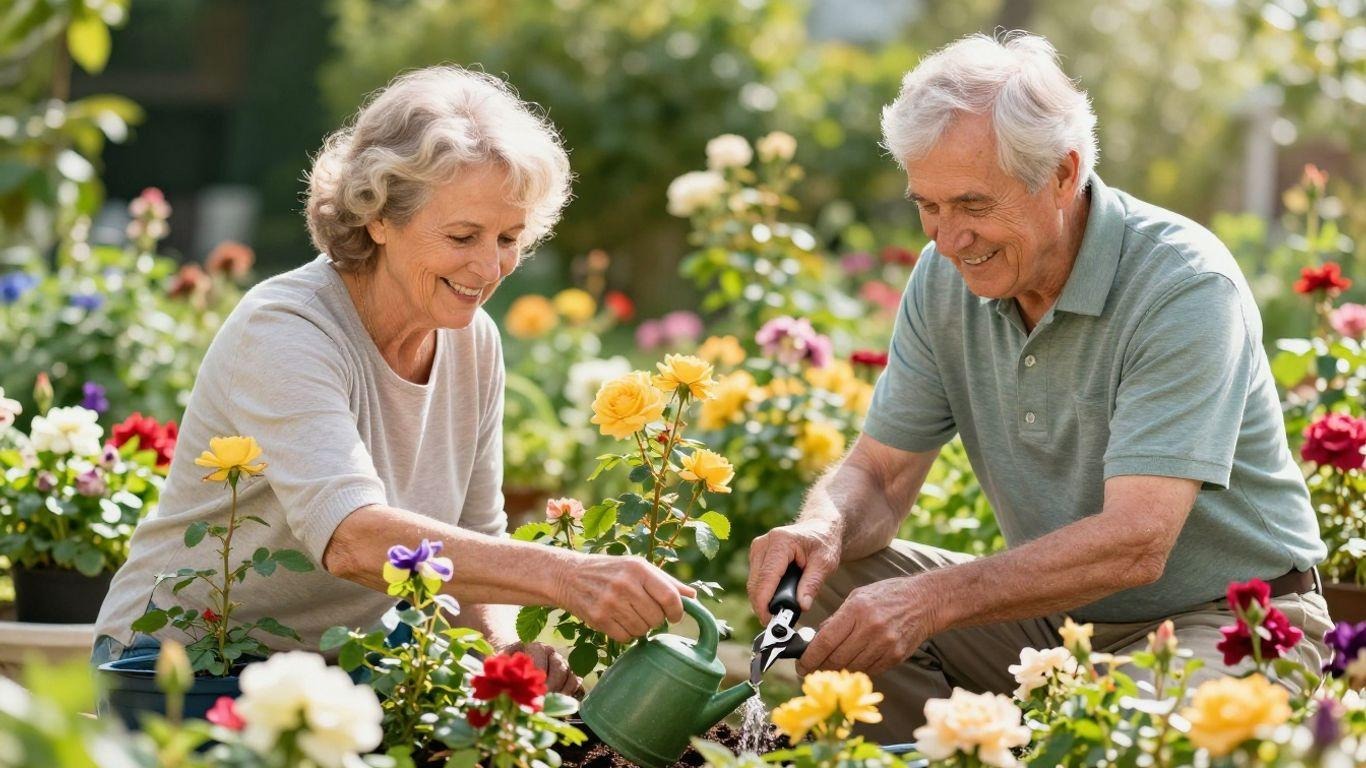
Joining clubs or participating in group activities is a direct route to social connection. Whether it’s a book club, a gardening group, or a local history society, these shared interests create common ground. Regular meetings provide a consistent opportunity to interact with like-minded individuals. These groups often organize outings or events, further expanding social circles and creating shared memories. Finding a group that aligns with your interests is key to cultivating these connections.
Enriching Your Home Life with Indoor Hobbies
Culinary Adventures and Cooking
Retirement offers a fantastic chance to explore the kitchen. For many, cooking is more than just preparing meals; it’s a creative outlet. Think about trying new recipes from different cultures or mastering a specific type of cuisine. This hobby can be as simple as experimenting with spices or as involved as baking bread from scratch. The kitchen becomes a personal laboratory for delicious discoveries.
Learning to cook new dishes can be a rewarding experience. It’s a way to connect with family and friends by sharing meals, and it also provides a sense of accomplishment. Consider taking a cooking class or following online tutorials to pick up new techniques. This indoor hobby is always evolving, offering endless possibilities for culinary exploration.
The Art of Redecorating and Upcycling
Transforming your living space can be a deeply satisfying indoor hobby. Redecorating allows you to refresh your surroundings, making your home feel new again. Upcycling takes this a step further by giving old items a new purpose. Think about breathing new life into furniture or decorative pieces that might otherwise be discarded.
This pursuit blends creativity with practicality. You can learn new skills like painting, minor repairs, or even simple upholstery. It’s a chance to express your personal style and create a home environment that truly feels like yours. The satisfaction of turning something old into something new is immense.
Learning to Play a Musical Instrument
If you’ve ever dreamed of making music, retirement is the perfect time to start. Learning a musical instrument offers a wonderful way to engage your mind and express yourself. Whether it’s a guitar, piano, harmonica, or ukulele, there’s an instrument for everyone.
Playing music can be a solitary pleasure or a social activity. You might enjoy practicing alone, or perhaps you’d like to join a casual jam session with others. The process of learning and improving provides a steady sense of progress. Music truly has a way of enriching the soul.
Enjoying Documentaries and Audiobooks
For those who prefer a more relaxed approach, diving into documentaries and audiobooks is an excellent indoor hobby. Documentaries open windows to different worlds, subjects, and perspectives, expanding your knowledge without leaving your home. Audiobooks bring stories and information to life, perfect for listening while relaxing or doing light chores.
This hobby is about continuous learning and entertainment. You can explore history, science, nature, or biographies. It’s a low-impact way to stay mentally stimulated and curious. The world of stories and information is at your fingertips.
The Profound Benefits of Engaging Hobbies
Enhancing Mental Acuity and Memory
Engaging in hobbies is more than just a way to pass the time; it’s a powerful tool for keeping the mind sharp. Learning new skills, whether it’s mastering a musical instrument or understanding a complex craft, stimulates the brain. This mental workout can help improve memory retention and cognitive function. Think of it like exercising a muscle – the more you use your brain in new ways, the stronger it becomes. This active engagement is key to maintaining mental agility throughout retirement.
Improving Emotional Well-being and Stress Management
Hobbies provide a much-needed outlet for stress and can significantly boost emotional health. Creative pursuits, in particular, like painting or knitting, offer a calming effect. They allow individuals to focus on a task, quieting the noise of daily worries. This state of focused attention, often called ‘flow,’ can be incredibly therapeutic. Finding joy and satisfaction in a hobby contributes to a more positive outlook and better overall emotional balance.
Increasing Physical Activity and Health
Many hobbies naturally encourage physical movement, contributing to better health. Activities like gardening, dancing, or even walking groups get people moving. This increased activity is vital for maintaining physical fitness and can help manage various health conditions. Even less strenuous hobbies can involve fine motor skills or require some level of physical engagement, all of which contribute to a healthier lifestyle. The benefits of engaging hobbies extend to the body as well as the mind.
Fostering a Stronger Sense of Purpose
Retirement can sometimes bring a feeling of lost purpose, especially after leaving a career. Hobbies offer a way to fill this void. Having something to look forward to each day, a project to work on, or a skill to develop can provide a renewed sense of meaning and direction. This sense of purpose is important for overall life satisfaction and can make retirement a more fulfilling and vibrant period. Engaging hobbies give structure and meaning to daily life.
Finding Your Retirement Rhythm
Retirement brings a lot of free time, and figuring out how to fill it can be a journey. The key is to find activities that genuinely bring joy and a sense of purpose. Whether it’s picking up an old hobby or trying something completely new, the right pastime can make a big difference in how fulfilling these years feel. It’s not about doing everything, but about finding those things that make you feel engaged and happy. So, take some time, explore your options, and settle into a rhythm that works for you. Your retirement years are a chance to enjoy life on your own terms.