
How to Sell a House Fast Without Skipping the Smart Checks
Selling a house quickly can feel urgent when a move, inheritance, divorce, repair problem, or rising monthly costs make waiting impractical.
Also Read: How To Compare Home-Selling Options In Raleigh-Durham
Homeowners exploring local quick-sale options can begin by reviewing https://www.ipscash.com/sell-my-house-fast-exeter-nh/ to decide which path best fits their timeline and financial goals.
A fast sale does not have to mean accepting the first offer or overlooking important contract terms. The strongest approach is to set a realistic deadline, understand the property’s likely value, compare available options, and protect yourself throughout the transaction.
Why Speed Matters When Selling a House
Every extra month of ownership can bring concerns about mortgage payments, taxes, insurance, utilities, maintenance, and vacancy. Calculate those holding costs before choosing a sales method. A seller who needs to close within 30 days has different priorities than someone who can wait several months for a higher-priced offer.
For homeowners who want to evaluate direct-sale alternatives, we buy houses NH is one example of the type of service that should be compared alongside a traditional listing. The goal is not simply speed. It is finding the best balance of timing, proceeds, effort, and certainty.
Compare the Main Selling Options
There is no single best way to sell every property. Each option involves trade-offs, and the right choice depends on the home’s condition, local demand, available time, and willingness to manage repairs or showings.
Traditional Listing
A listing with a real estate professional can expose the home to a broader pool of buyers and may yield a higher price when the property is marketed and priced well. However, this process can involve photography, showings, inspections, repair requests, appraisals, negotiations, and buyer financing-related delays.

For-Sale-By-Owner
Selling without an agent may reduce certain listing costs, but the owner is responsible for marketing, pricing, showings, buyer screening, negotiating, and coordinating paperwork. This route can work for experienced sellers, although incorrectly pricing a home can lead to a longer sale timeline.
Cash Sales and Auctions
A cash buyer may be able to close faster because mortgage underwriting is not part of the process. The offer may be lower than what a fully marketed property could fetch, so compare the final net amount rather than focusing solely on the headline price. Auctions and other quick-sale methods can establish a firm timeline, but fees and uncertain bidding outcomes warrant careful review.
Price the Property With Current Data
Accurate pricing often matters more than a long list of last-minute upgrades. Start with recent sales of comparable homes in the same area, then account for square footage, lot size, age, layout, condition, and meaningful improvements. Also, look at active listings, because those homes are the competition buyers can see today.
- Review how long similar homes stayed on the market.
- Estimate the cost of visible repairs or deferred maintenance.
- Consider whether the buyer is likely to face financing or insurance challenges.
- Calculate estimated proceeds after commissions, credits, repairs, taxes, loan payoff amounts, and closing costs.
The highest offer is not always the strongest offer. A slightly lower offer with verified funds, fewer contingencies, a reasonable deposit, and a dependable closing date may produce a better outcome than a higher offer that falls apart weeks later.
Prepare the Home Without Overspending
A quick sale does not require a full renovation. Focus on work that helps buyers feel confident that the property has been maintained: clean kitchens, bathrooms, windows, counters, and entryways. Remove clutter from closets, hallways, and storage spaces, improve lighting, and address small problems that could become larger issues.
For example, repairing a leaking faucet, replacing a broken light fixture, and clearing a blocked walkway may improve first impressions more than spending thousands on a new kitchen shortly before listing. Keep receipts, permits, warranties, and records for major systems or recent repairs.
Review Cash Offers With Care
A cash offer should be judged by what you will actually receive at closing. Ask who the buyer is, whether they are using personal funds or investor financing, and whether they can provide proof of funds. Confirm whether the contract permits assignment to another buyer and whether a neutral closing company will hold an earnest-money deposit.
- What inspection period or cancellation rights does the buyer have?
- Who pays title, transfer, recording, and settlement charges?
- Can the buyer reduce the price after an inspection?
- What happens if the buyer misses the agreed closing date?
- Is the possession date clearly separate from the closing date?
When possible, compare at least two value estimates. Recent comparable sales, a professional market analysis, or an independent appraisal can place a fast offer in context and make negotiations less emotional.
Gather the Right Paperwork
Paperwork delays are avoidable when documents are collected early. Locate the deed, mortgage account details, payoff information, property tax records, homeowners association documents, lease agreements, permits, repair receipts, and warranties. If the property involves probate, a trust, divorce, liens, judgments, or multiple owners, gather the relevant legal documents before accepting an offer.
Before signing, review every fee, credit, tax adjustment, and payoff figure. The CFPB’s guidance for checking a Closing Disclosure offers a useful reminder to question amounts that differ from expectations and resolve discrepancies before closing.
Protect Yourself From Risky Deals
A legitimate buyer should allow time for you to read the agreement and ask questions. Treat pressure to sign immediately, blank spaces in a contract, unclear company information, unexplained fees, or sudden price changes as warning signs. Never transfer a deed before payment and closing terms are properly secured.
The FTC warns that requests for upfront fees or a deed transfer can be signs of serious home-related fraud. Independently confirm the title company, settlement agent, or attorney by using contact information you locate yourself, especially before sending wire instructions or sensitive documents.
Build a Simple Closing Plan
- Verify the buyer’s identity, funding, and contract authority.
- Review the purchase agreement with a qualified real estate professional or attorney.
- Open the transaction with a reputable title company, settlement agent, or closing attorney.
- Order mortgage and lien payoff statements early.
- Complete required disclosures and title documents.
- Confirm the closing date, move-out date, keys, and possession terms.
- Review the final settlement statement before signing.
- Verify how and when the sale proceeds will be delivered.
Use a Fast-Sale Checklist
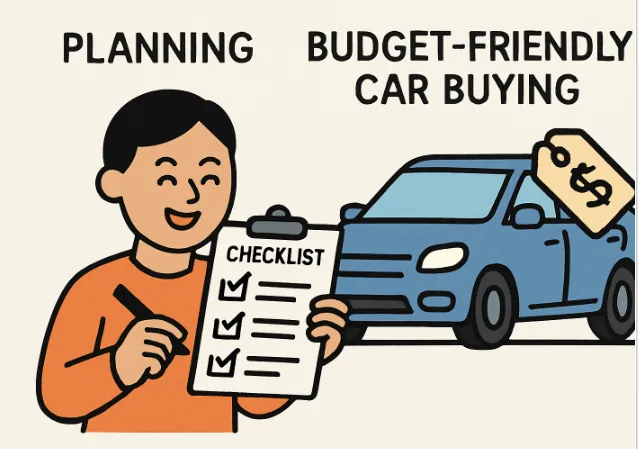
- Set a realistic closing deadline.
- Calculate the cost of waiting.
- Compare traditional and quick-sale options.
- Estimate the home’s current market value.
- Gather ownership, payoff, and repair documents.
- Request written offers and proof of funds.
- Review fees, contingencies, and cancellation terms.
- Use a neutral closing professional.
- Never sign incomplete or unclear documents.
Conclusion
Selling a house fast in 2026 can be practical and financially sound when it is handled with clear expectations. Compare your options, price the home realistically, prepare only where it matters, verify every buyer, and review every document. Speed matters, but protecting your equity and avoiding preventable surprises matters just as much.