
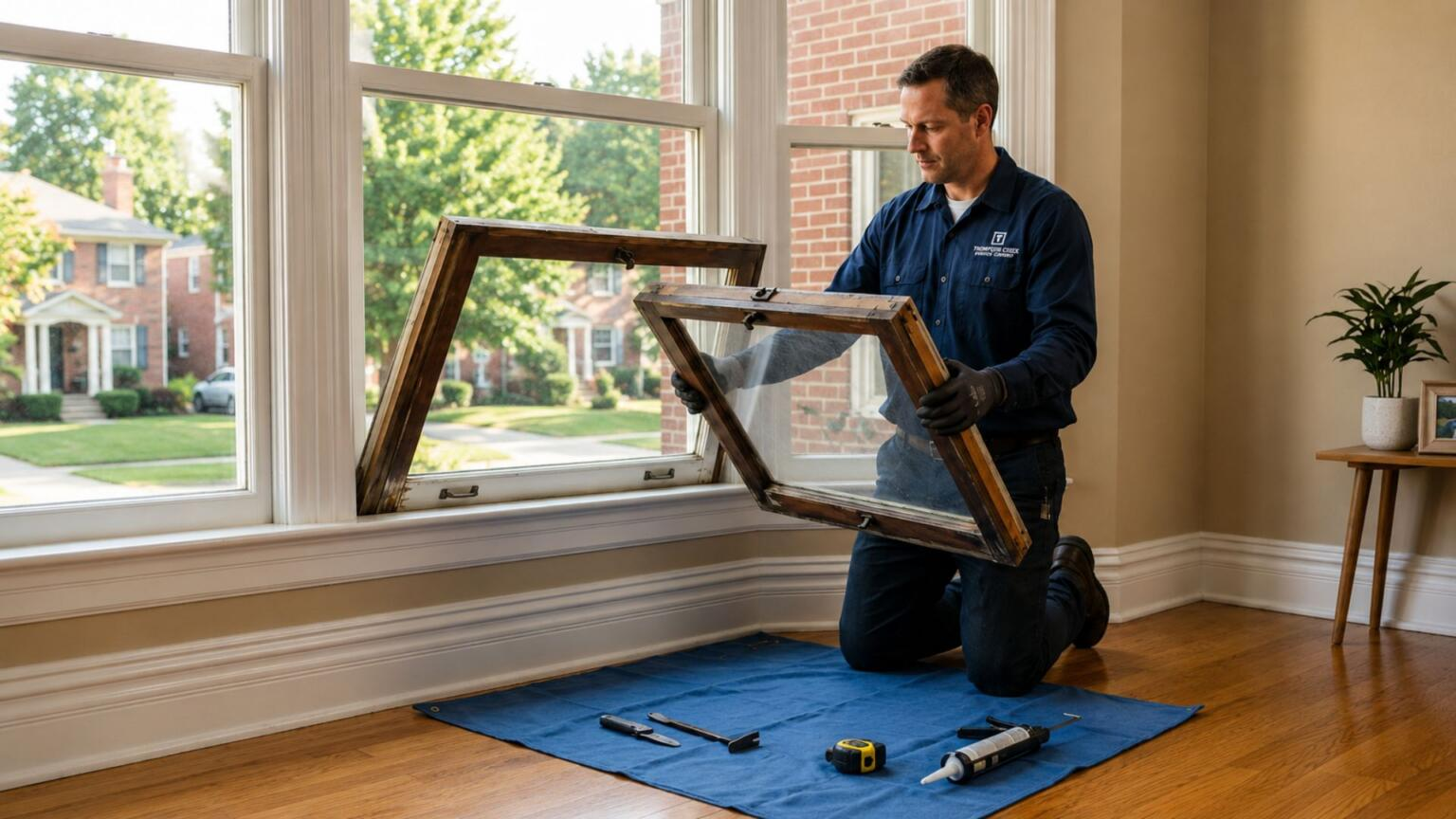
How to Prepare for a Window Replacement Project
Replacing the windows in your home is a significant improvement that requires more planning than simply choosing a design and arranging an installation date. Whether you are upgrading old timber frames, replacing damaged uPVC windows or improving the insulation of your property, proper preparation can make the entire process easier.
For many UK homeowners, new windows are an opportunity to improve indoor comfort, reduce unwanted draughts and give a property a fresh appearance. However, the success of the project depends on several decisions made before the installation team arrives.
Understanding the available options, setting a realistic budget and choosing a reliable installer can help prevent unnecessary delays and unexpected expenses. If you are considering a window replacement quote, it is worth preparing some basic information about your property and requirements beforehand.
1. Identify Why You Need New Windows
The first step is understanding why you want to replace your existing windows. Different problems may require different solutions, so it is important to identify what is not working properly.
Some homeowners replace windows because their frames have become damaged or difficult to operate. Others want to improve energy efficiency, update an outdated appearance or increase security.
Common reasons for window replacement include:
- Draughts entering through worn seals or damaged frames
- Condensation between the panes of double glazing
- Cracked or damaged glass
- Windows that no longer open or close smoothly
- Poor locking mechanisms
- Faded, deteriorating or damaged frames
- Excessive outside noise entering the home
Make a list of the problems you have noticed in each room. This will help you explain your requirements when contacting installation companies.
It is also worth checking whether every window needs replacing. In some cases, repairing a particular component may be enough to resolve the issue.
2. Inspect Every Window in Your Property
Before arranging a replacement project, take time to inspect all the windows rather than focusing only on the most noticeable problem.
Walk through each room and check the condition of the frames, handles, hinges, seals and glass. Pay attention to windows that are difficult to operate or appear to have gaps around their edges.
Look for signs of moisture damage around the surrounding walls and window openings. Although condensation can sometimes be caused by indoor humidity, persistent moisture may also indicate a problem with the glazing or installation.
If you notice significant damage, ask a professional to assess it. This is particularly important in older properties, where previous repairs or structural changes may affect the installation requirements.
A thorough inspection helps you create a more accurate list of work and reduces the chance of overlooking windows that need attention.
3. Decide on a Suitable Budget
Setting a budget early is one of the most important parts of preparing for a window replacement project.
The total cost depends on several factors, including the number of windows, their dimensions, frame materials, glazing specifications and installation complexity.
For example, replacing several standard casement windows may involve different costs from installing large bay windows or traditional sliding sash designs.
Your budget should also account for additional services, such as removing old frames, disposing of existing glass and completing finishing work around the openings.
It is sensible to keep a reserve for unexpected expenses. Older properties may have damaged surrounding materials or irregular openings that require additional attention once the existing windows are removed.
Avoid setting a budget based only on the lowest advertised price. Instead, think about the overall quality, durability and suitability of the products you are considering.
4. Research Different Window Materials
The material you choose for your new frames can influence their appearance, maintenance requirements and overall cost.
uPVC windows
uPVC is a widely used option in British homes. It is generally affordable, requires relatively little maintenance and is available in various colours and finishes.
Aluminium windows
Aluminium frames are strong and can provide a modern appearance with slim sightlines. They are often selected for contemporary properties and larger glazed openings.
Timber windows
Timber is frequently chosen for traditional homes and period properties. It offers a natural appearance but may require more regular maintenance to protect it from weathering.
When researching materials, consider more than their initial purchase price. Think about how each option will suit your property’s architecture and how much maintenance you are prepared to undertake.
If your home is in a conservation area or is a listed building, check the relevant restrictions before choosing a design or material. You may need approval for certain changes.
5. Explore Different Window Designs
Once you understand the available frame materials, consider which window styles are suitable for each room.
Casement windows are a practical choice for many homes because they are straightforward to operate and available in different configurations.
Tilt-and-turn windows offer flexibility because they can open in more than one way. This can make ventilation and cleaning more convenient.
Sliding sash windows are commonly associated with traditional British architecture. They can help preserve the character of older properties while providing modern glazing options.
Bay windows can increase the amount of natural light entering a room and create a more open appearance. However, their size and structure may make installation more complicated.
It is not necessary to choose the same style for every room. Different spaces may have different requirements for ventilation, privacy and natural light.
6. Understand the Importance of Accurate Measurements
Correct measurements are essential for ordering replacement windows. Even small errors can create difficulties during manufacturing or installation.
You can make a preliminary list of the approximate width and height of your existing windows. Also record how many windows need replacing and which rooms they are located in.
However, these measurements should only be used for initial planning. A professional surveyor or installer should take the final measurements before the windows are manufactured.
The survey should also consider the condition of the openings, the existing frame arrangement and any unusual features that could affect installation.
If you are requesting a window replacement quote, providing an approximate window count and basic dimensions can help the supplier understand the scale of the project. A final price should be confirmed after the necessary survey and specification checks.
7. Decide What Glazing You Need
The type of glass you choose can influence the comfort and performance of your home.
Double glazing uses two panes of glass separated by a sealed gap. This construction helps reduce heat transfer compared with many older single-glazed windows.
Some homeowners may also consider low-emissivity glass, which is designed to reduce heat loss while allowing natural light into the property.
Other options may include acoustic glazing for reducing certain types of outside noise, or safety glass in locations where additional protection is required.
The most suitable choice depends on your property’s location, room layout and individual requirements.
Ask the installer to explain the available glazing specifications. Do not assume that every double-glazed window offers the same level of performance.
8. Research and Compare Window Installers
Choosing the right installation company is just as important as selecting the windows themselves.
Start by researching companies that have experience with the type of property and window designs you are considering. Look for genuine customer reviews and examples of completed projects.
Ask whether the company uses its own installation team or subcontractors. You should also understand who will be responsible for dealing with any problems after the work is completed.
When comparing suppliers, consider:
- Experience with similar installations
- Product quality and available specifications
- Clarity of quotations
- Installation arrangements
- Warranty coverage
- Customer service and aftercare
For installations in England and Wales, it is worth checking whether the installer belongs to an appropriate competent person scheme, where applicable, and can provide the relevant compliance documentation.
Do not choose a company simply because it promises the fastest installation or offers the biggest discount.
9. Request Detailed Quotations
Once you have researched your options, contact several companies and ask for written quotations.
Provide each supplier with similar information so you can compare their offers fairly. Explain how many windows need replacing, which designs you prefer and whether you have any specific requirements.
A detailed quotation should clearly identify the products and services included.
Check whether it covers the supply of windows, installation, removal of old frames, disposal, finishing work and any additional fittings.
You should also ask about payment arrangements, expected delivery times and how long the quotation remains valid.
A window replacement quote should give you enough information to understand exactly what you are paying for. If a supplier provides only a single total figure without explaining the specification, request further details before making a decision.
10. Prepare Your Home Before Installation Day
Once you have chosen an installer and agreed on a schedule, begin preparing the rooms where the work will take place.
Move furniture away from the windows to create enough space for the installation team. Remove curtains, blinds and decorative items where necessary.
Cover furniture and nearby belongings if you are concerned about dust. It is also sensible to move valuable or fragile objects away from the working areas.
If you have pets or young children, plan how to keep them away from the installation areas. Removing old windows can involve tools, glass and building materials, so keeping these spaces clear is important.
Ask the installer whether you need to make any additional preparations before the team arrives.
11. Understand What Happens During Installation
Knowing what to expect can help you plan your day and avoid unnecessary confusion.
The installation process usually begins with protecting the surrounding area and carefully removing the existing windows. The new frames are then positioned, secured and adjusted.
The installer will check that the windows open and close correctly and that the relevant seals and finishing details are completed.
The exact process varies depending on the property, window type and installation method.
Ask the company how long the work is expected to take and whether every window will be installed in one visit or over several days.
It is also useful to understand how the team will handle old materials and whether removal and disposal are included in the agreed price.
12. Check the Finished Work Carefully
Once installation is complete, inspect the new windows before considering the project finished.
Open and close each window to check that the mechanisms operate smoothly. EVDANCE HOME CHARGING GUIDE Look at the handles, locks, hinges and surrounding seals.
Check whether the frames appear properly aligned and whether there are visible gaps or unfinished areas around the openings.
If you notice any concerns, raise them with the installer before making the final payment, in accordance with your contract.
Ask for the relevant warranty information, product documentation and building regulations compliance certificate where applicable.
Keeping these documents in a safe place can be useful if you need future repairs or decide to sell the property.
Conclusion
Preparing for a window replacement project involves much more than choosing an attractive frame design. You need to understand the condition of your existing windows, establish a realistic budget, research suitable materials and find an experienced installer.
Taking time to compare products and services can help you avoid unnecessary expenses and ensure that the finished installation meets your expectations.
Before committing to an installer, request a detailed window replacement quote and check exactly what is included. With accurate measurements, clear communication and proper preparation, you can make your window upgrade more organised and achieve a result that improves your home’s appearance, comfort and long-term performance.