EVDANCE SMART HOME CHARGING GUIDE
How Can a Smart EV Charger Make Home Charging Easier?
How smart charging can reduce everyday manual tasks, make charging easier to schedule and monitor, and when a three-phase CEE smart charging setup makes sense at home.
Home EV charging is already convenient: plug in the car, leave it parked, and recover energy while you are at home.
A smart charger does not completely change that basic process. What it changes is how much manual management is required around the charging session.
A useful way to think about the difference is:
A regular charger delivers power. A smart charger delivers power and helps manage the charging routine.
That can mean fewer trips back to the garage, easier scheduling, clearer charging information and more control over who can use the charger.
Key Takeaways
- Smart charging is mainly about convenience and control, not automatically faster charging.
- APP monitoring can reduce the need to physically check the charger.
- Scheduling and adjustable current can help match charging to your daily routine.
- A compatible 400V three-phase CEE 16A supply can support up to about 11kW with a suitable vehicle.
Quick Answer: What Makes a Smart EV Charger Different?
A smart EV charger can add useful management features to home charging, including:
- remote monitoring;
- scheduled charging;
- adjustable current;
- access control;
- clearer charging information.
The benefit is not simply “more technology.”
It is making repeated home charging easier to manage.
1. Monitor Charging Without Going Back to the Garage
Imagine your EV has been plugged in for two hours.
You want to know:
Has charging started?
Is the car still charging?
Has the session finished?
With a basic charger, you may need to walk back to the garage and check the device or vehicle.
An APP-connected smart charger can make this information available from your phone.
For someone who charges several times each week, this can remove a small but repetitive task from the routine.
The main value is simple: you can check the charging session when you need to without standing beside the charger.
2. Schedule Charging Around Your Routine
A common home-charging routine might look like this:
19:00 — arrive home
19:10 — plug in the EV
23:00 — charging starts
Next morning — car is ready
Scheduled charging makes this possible without requiring you to return to the garage at 23:00 and manually start the session.
The practical idea is:
Plug in now, think about it later.
This can be useful for drivers who prefer overnight charging or want charging to begin during a particular time window.
However, the schedule still needs to be configured correctly. If both the vehicle and the charger use independent timers, conflicting schedules can sometimes create unexpected start or stop times.
3. Adjust Charging Current
Maximum current is not necessary for every charging session.
A compatible smart charger may allow users to choose a lower current when charging conditions or daily energy needs call for it.
The EVDANCE smart model supports:
6A / 8A / 10A / 12A / 16A
Once the electrical installation has been confirmed as suitable, this provides more flexibility in how a charging session is managed.
For example, if the car will remain plugged in all night and only a modest amount of energy needs to be recovered, maximum current may not always be necessary.
But adjustable current is not a repair feature.
It should never be used to compensate for damaged wiring, a defective socket or an unsuitable electrical circuit.
4. Control Access With RFID
RFID is most useful when other people can physically reach the charger.
That may include:
- an open driveway;
- shared residential parking;
- a small workplace;
- parking areas used by visitors.
In those situations, RFID can provide an additional way to authorize charging.
For a charger inside a locked private garage, RFID may matter much less.
That distinction is important:
RFID matters more when the charger is physically accessible to other people.
The EVDANCE smart model includes RFID access, making the feature more relevant for homes or workplaces where charging access needs to be controlled.
5. Check Information Directly on the Charger
Smart charging does not mean every interaction needs to happen through an APP.
When you are already standing beside the vehicle, looking at the charger itself can be faster.
The EVDANCE smart model uses a 3.5-inch TFT display for immediate charging information.
That creates two useful ways to check a charging session:
Phone → remote monitoring
TFT display → immediate on-site information
For daily charging, having both options can be more convenient than depending entirely on one interface.
What Electrical Setup Does an 11kW Smart Charger Need?
The electrical connection is separate from the “smart” features.
For an 11kW three-phase CEE charging setup, a typical configuration is:
| Requirement | Typical Setup |
|---|---|
| Supply | 400V |
| Phase | Three-phase |
| Socket | Red CEE 16A / 5-pin |
| Vehicle connector | Type 2 |
| Maximum AC power | ~11kW |
The vehicle and electrical installation must also support the configuration.
This article focuses on convenience, so the important point is simply that smart functions do not replace electrical compatibility.
Smart EV Charger vs Regular EV Charger: What’s the Difference?
| Everyday Task | Regular Charger | Smart Charger |
|---|---|---|
| Check charging status | Usually at charger/vehicle | APP or display |
| Start at a chosen time | Manual or basic timer | Scheduled charging |
| Change current | Depends on model | Adjustable settings |
| Restrict access | Limited | RFID available |
| View charging information | Basic indicators | TFT + connected monitoring |
| Manage routine charging | More manual | More centralized |
The key conclusion is:
“Smart” does not automatically mean “faster.”
It means more control over the same charging routine.
How Does the EVDANCE 11kW Smart CEE Wallbox Fit Into Everyday Home Charging?
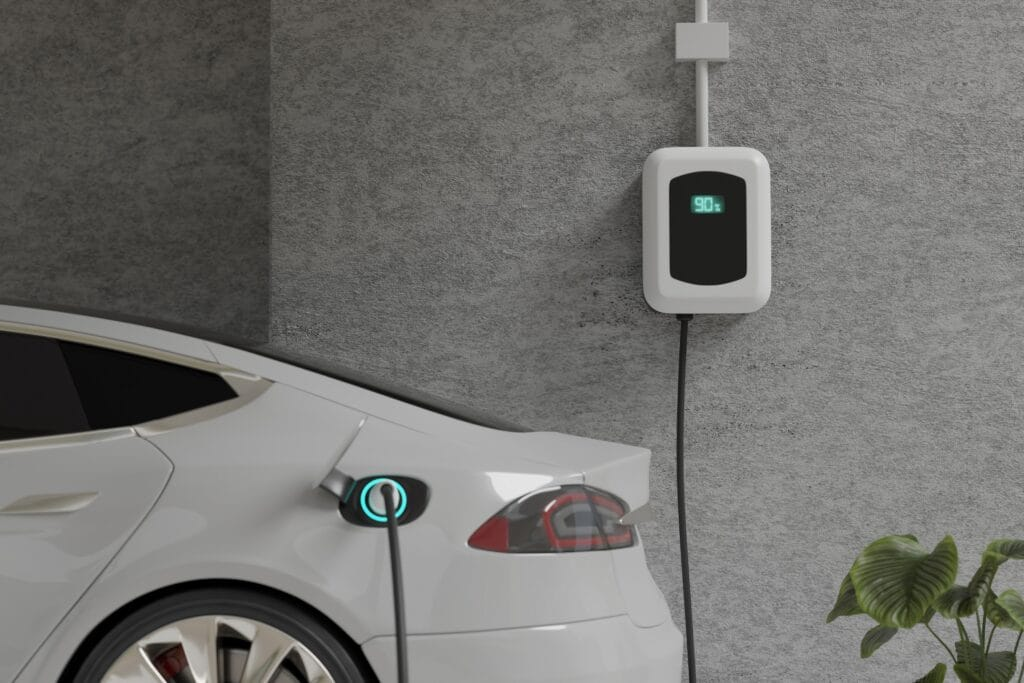
The EVDANCE 11kW Smart CEE Wallbox brings the main convenience features discussed above into one three-phase CEE charging solution.
Its most relevant features for daily home use are:
APP Control — check and manage compatible charging functions remotely.
Scheduled Charging — organize charging around your normal routine.
6–16A Adjustable Current — provide more flexibility for compatible electrical conditions.
RFID Access — useful where the charger can be accessed by multiple people.
3.5-inch TFT Display — see important charging information directly at the unit.
400V Three-Phase CEE 16A — designed for an 11kW-compatible CEE charging environment.
The value is not that each feature sounds impressive on a specification sheet.
It is that each one removes or simplifies a small part of everyday charging management.
Which EVDANCE CEE Charging Setup Fits Your Routine?
Not every driver needs the same level of smart control.
| Need | Better Fit |
|---|---|
| Simple 11kW charging | Basic CEE charger |
| APP monitoring / scheduling | Smart CEE model |
| Shared or accessible charger | RFID smart model |
| Different power or phase requirements | Compare CEE configurations |
Drivers who are not sure which approach fits their home can compare the available EVDANCE CEE EV Chargers.
Who Benefits Most From Smart Charging?
A smart EV charger makes the most sense if you:
- charge several times each week;
- want to check sessions remotely;
- use scheduled overnight charging;
- value adjustable current;
- need access control;
- prefer both APP monitoring and an on-device display.
If you simply plug in occasionally and never use schedules, Retractable Roof Pergola remote monitoring or access control, a simpler charger may already meet your needs.
Final Thoughts
A smart EV charger does not make home charging fundamentally different.
It makes the routine around charging easier to manage.
APP monitoring reduces unnecessary trips to the garage. Scheduling reduces manual timing. Adjustable current adds flexibility. RFID can control access. A TFT display provides immediate information when you are beside the vehicle.
For EVDANCE, the value of smart charging is therefore not simply “more features.”
It is:
Less manual checking, easier timing, clearer information and more control over everyday home charging.
A regular charger solves the need to charge. A smart charger helps manage everything around it.