
Key Factors to Consider When Buying a New or Used Car
Key Takeaways:
- Plan Your Budget: Account for full ownership costs, including insurance, maintenance, fuel, and taxes.
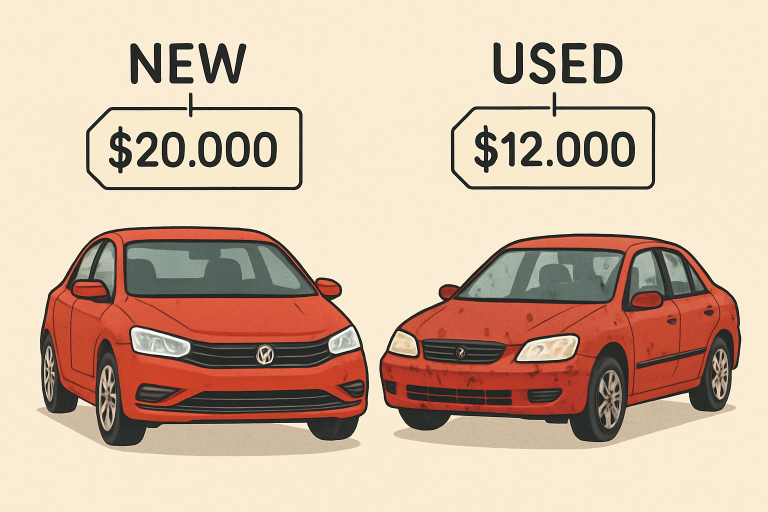
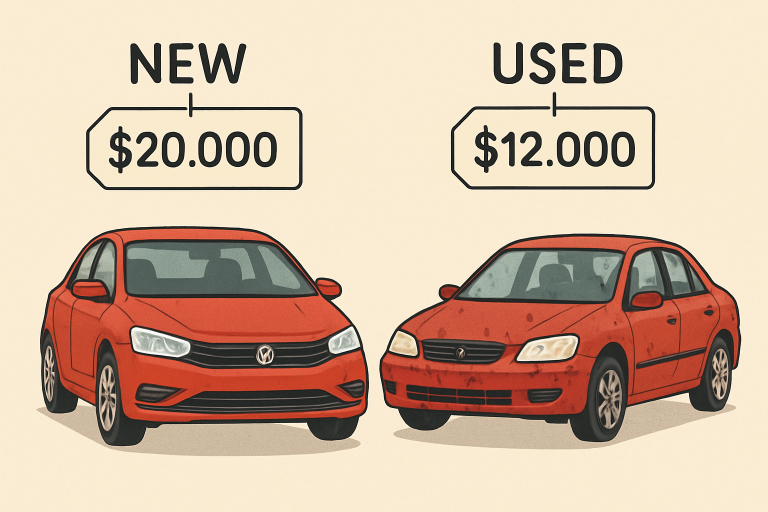
- New vs. Used: New cars offer warranties and the latest features; used cars often provide better value and slower depreciation.
- Check Vehicle History: For used cars, obtain detailed history reports and schedule pre-purchase inspections to avoid hidden issues.
- Total Cost of Ownership: Consider fuel, maintenance, repairs, and insurance to understand long-term expenses.
- Resale Value & Depreciation: Research which brands and models hold value best to maximize future returns.
- Timing Matters: End-of-month, holiday, and model-year changes can offer better deals.
- Insurance Considerations: Factor in premiums based on vehicle type, safety features, and reliability.
- Test Drive & Comfort: Ensure the car fits your lifestyle and personal preferences for maximum satisfaction.
Making the decision to buy a vehicle is an exciting milestone, but it comes with a host of considerations that can impact your long-term satisfaction and finances. Whether you are seeking the reliability of a brand-new car or the value of a pre-owned model, understanding what matters most will help you navigate the process with confidence. Learn more about choosing the right car for your needs before starting your search.
There are numerous variables at play that extend beyond the dealership. From planning your finances to investigating a vehicle’s background, each decision plays a vital role in your experience as an owner. The flexibility to choose between buying new or used also opens up further points of comparison and research. As the vehicle marketplace continues to evolve with new technologies and features, an informed, careful approach ensures your investment pays off in the long run.
Examining the total cost of ownership, considering resale values, and understanding how timing can affect deals will give you the advantage you need to get the most from your purchase. Your automotive journey should conclude with both security in your choice and excitement at the wheel, all while prioritizing your budget and personal preferences.
Budget and Financing Options
Setting a realistic budget is the first and perhaps most important step in car shopping. Your budget needs to account for the full spectrum of ownership costs, not just the sticker price. Taxes, registration, routine maintenance, and insurance premiums can add up quickly. Exploring financing options from banks, credit unions, and dealerships can reveal competitive interest rates and flexible terms. A pre-approved loan can also strengthen your negotiating position, helping you feel confident and prepared when you enter the dealership.
New vs. Used: Weigh the Pros and Cons
The classic debate between new and used vehicles centers around value, reliability, and advanced features. Here are some key distinctions:
- Depreciation: New cars depreciate most sharply immediately after purchase, often losing a significant portion of their value in the first couple of years. Used cars sidestep this initial drop, allowing buyers to preserve more of their investment.
- Warranty and Reliability: Buying new guarantees comprehensive factory warranties and the latest safety measures. Many certified pre-owned (CPO) programs for used cars also offer extended warranties and thorough inspections, providing reassurance about reliability.
- Technology and Features: Advancements in technology come standard in new models, but many late-model used cars also offer desirable safety and entertainment upgrades at a lower cost. Research which features are essential for you and compare across models and years.
Vehicle History and Condition
When considering a used vehicle, transparency regarding its past is critical. A detailed vehicle history report, available from providers like Carfax or AutoCheck, discloses any significant accidents, service history, and ownership changes. This step helps avoid surprises and steer clear of cars with hidden problems. Scheduling a pre-purchase inspection by a trusted mechanic further ensures you are not inheriting costly repairs or unresolved mechanical issues. According to the Edmunds guide to buying a used car, this diligence is one of the most important investments you can make before completing a purchase.
Total Cost of Ownership
The initial sale price only paints part of the financial picture. Evaluate expected fuel economy, routine service demands, projected repairs, and insurance costs for the models on your shortlist. Some brands require more expensive parts or specialized service, increasing long-term expenses. Utilize reputable automotive resources and reviews, such as those found on Edmunds, to estimate real-world costs and compare models.
Resale Value and Depreciation
A vehicle’s depreciation rate directly affects your ability to recoup value when it’s time to sell or trade in your car. Brands recognized for quality and longevity, like Toyota and Honda, tend to hold their value better, providing a strategic advantage for buyers planning ahead. Assess resale trends to maximize your investment and minimize financial loss over time.
Timing Your Purchase
Strategic timing can help you unlock substantial discounts or incentives. Purchasing at the end of the year, during major holiday sales events, or as new models arrive can lead to better deals due to dealer incentives and factory rebates. Additionally, dealers often offer attractive pricing at the end of the month or quarter to meet sales quotas, so watching the calendar can offer tangible savings.
Insurance Considerations
The make, model, and even color of your vehicle can influence insurance costs. Sportier vehicles or those with high theft rates generally come with higher premiums, while cars equipped with advanced safety features or demonstrated reliability can qualify for discounts. Always obtain insurance quotes before finalizing a purchase to ensure the car you choose fits comfortably within your overall budget.
Test Drive and Personal Preferences
Your experience behind the wheel is about more than just performance. During a test drive, evaluate seat comfort, ease of adjusting controls, interior noise, visibility, and the feel of the steering and brakes. Each detail matters, especially since your needs may change based on your commute, family size, or driving habits. Ensuring that the car matches your lifestyle boosts your satisfaction and reduces buyer’s remorse.
Final Thoughts
By methodically analyzing each of these factors, you can find a car that is not just affordable but also reliable, comfortable, and suited to your daily life. Review expert resources, remain patient through the negotiation process, and prioritize both your immediate and future needs for the most rewarding outcome.