Planning a Home Solar System Guide That Fits Your Roof, Backup Goals
Key Takeaways
- Review at least 12 months of electricity bills and future energy needs before choosing a solar system.
- Check roof condition, shading, usable space, and electrical capacity before installation.
- Choose between grid-tied, battery-backed, and off-grid systems based on household needs and outage priorities.
- Compare total costs, estimated production, equipment warranties, financing terms, and maintenance responsibilities.
- Confirm permits, utility approvals, and installation requirements before signing a contract.
Planning a home solar project starts with the property and household, not a panel brand or a promotional monthly payment. Homeowners comparing solar roofing companies should first define what they want the system to accomplish, whether that means lowering grid purchases, preparing for future electric appliances, or maintaining essential power during outages.
A well-planned design accounts for electricity use, roof condition, shade, utility rules, electrical equipment, and financial terms. Solar photovoltaic panels convert sunlight directly into electricity. In contrast, an inverter converts that electricity into the alternating current used by most household circuits, as explained in this overview of photovoltaic electricity generation.
Why Solar Planning Matters
No two homes have identical solar needs. Two nearby houses can have different electricity demand, usable roof area, shading, roof age, service-panel capacity, and outage priorities. A low quote may look appealing, but it may not include the equipment, warranty coverage, design work, or backup capability the homeowner expects. Before signing, verify current local permit requirements, utility interconnection rules, and any applicable incentive deadlines because these details vary by location and can change.
Review Your Home’s Energy Use
Begin with at least 12 months of utility bills. This provides a clearer picture of annual kilowatt-hour use and shows whether electricity demand rises during hot summers, cold winters, or both. A home using electric resistance heat, a heat pump, or electric water heating may have a different load profile than a similar home using gas appliances.
Details to Review
- Average monthly and annual kilowatt-hour use.
- The highest-use months and likely reasons for them.
- Air conditioning, heating, pool equipment, and electric water heating.
- Planned additions, such as an electric vehicle, heat pump, or induction range.
- Appliances and circuits that must operate during an outage.
Check the Roof Before Choosing Equipment
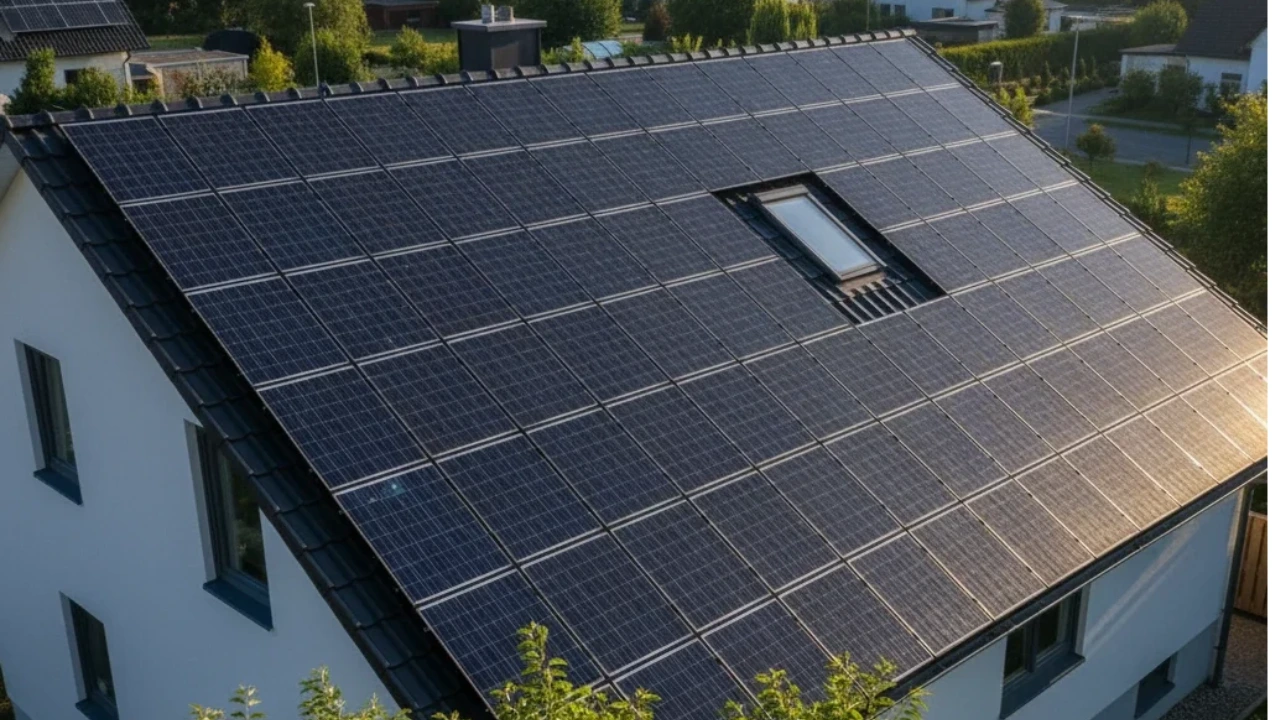
The roof should be evaluated before the solar layout is finalized. Consider its age, remaining service life, material, slope, orientation, structural condition, available space, and access for installation. Trees, chimneys, vents, dormers, and nearby buildings can also limit production or panel placement. If a roof is nearing replacement, completing that work first can help avoid the later cost and disruption of removing and reinstalling solar equipment.
Choose the Right Solar System Type
Grid-Tied Solar
A grid-tied system operates alongside the utility. It is commonly the simplest option for homes with reliable electric service, but solar panels alone generally do not keep a home powered during a grid outage. Safety equipment typically shuts down solar export when the grid is unavailable.
Solar With Battery Storage
A battery can store solar energy for later use and can provide backup power when paired with properly designed controls and protected circuits. It can also help households use more of their solar production after sunset. The battery plan should identify exactly what it will support, rather than assuming it will run every circuit in the house.
Off-Grid Solar
Off-grid systems are intended for properties without dependable utility access. They require careful planning for seasonal solar production, battery capacity, load management, and often a backup generator. This approach usually involves more equipment and more active energy management than a grid-connected system.
Size the System Around Real Energy Needs
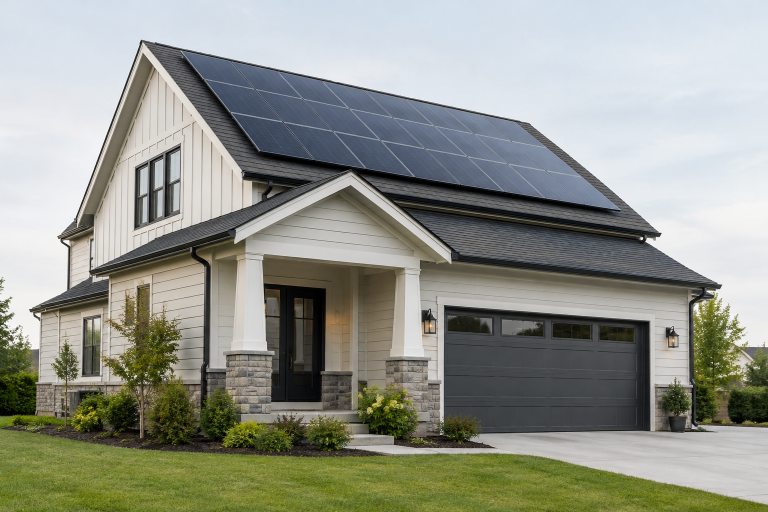
Panel count alone does not tell you whether a design is appropriate. System size should reflect annual electricity use, usable roof area, shading, local solar conditions, equipment limits, and future demand. A kilowatt describes power capacity, while a kilowatt-hour measures the amount of electricity produced or used over time.
- Calculate annual household electricity use.
- Identify seasonal peaks and their causes.
- Measure usable roof space and account for obstructions.
- Consider roof direction, pitch, and shade.
- Include likely future electrical loads.
- Compare estimated annual production with the household’s goals.
Decide Whether Battery Storage Makes Sense
Batteries are not essential for every solar household. They may be more valuable where outages are frequent, electricity rates vary by time of day, or homeowners want selected circuits to remain available. Battery capacity describes how much energy can be stored, while power output describes how much electricity the battery can supply at one time. Both numbers matter when deciding whether it can run items such as refrigeration, lighting, internet equipment, a well pump, or heating and cooling equipment.
Compare Panels, Inverters, and Monitoring
Compare the complete system rather than a single specification. For panels, review power rating, efficiency, temperature performance, appearance, and product and performance warranties. For inverters, review compatibility, monitoring features, serviceability, and the design’s ability to accommodate future storage. A clear monitoring platform should show production over time and help identify performance issues that warrant follow-up.
Review Costs, Contracts, and Warranties
Compare the total financial commitment, not only the monthly payment. Request a written proposal that identifies the system size, estimated production, equipment, project price, financing charges, warranty terms, expected milestones, and exclusions. If considering a lease or power-purchase agreement, review payment escalators, maintenance obligations, transfer requirements when selling the home, and options at the end of the agreement. Also ask who pays if equipment must be removed for future roof work.
Know What the Installation Process Includes
- Home assessment: Review energy use, roof condition, shade, and electrical equipment.
- System design: Match the layout and equipment to the home’s goals.
- Proposal review: Confirm costs, assumptions, warranties, and contract terms.
- Permits and approvals: Complete local building and utility requirements.
- Installation and inspection: Mount, connect, and inspect the equipment.
- Utility interconnection and monitoring: Complete final approval and track performance.
Common Solar Planning Mistakes to Avoid
- Choosing based only on the number of panels or the lowest price.
- Ignoring an aging roof or unresolved repairs.
- Using only one recent utility bill instead of a full year of data.
- Assuming panels alone provide outage protection.
- Overlooking future electric vehicle, heating, or appliance loads.
- Comparing payments without reviewing total contract cost.
- Skipping warranty details and responsibility for service claims.
- Assuming one battery can support the entire home.
Questions to Ask Before Signing
- How was the proposed system size calculated?
- What roof repairs or electrical upgrades are needed first?
- What annual production is estimated, and what assumptions support it?
- What happens during a utility outage?
- Which appliances or circuits will the battery support?
- Who handles permits, inspections, maintenance, and warranty claims?
- Are there annual payment increases, financing fees, or excluded costs?
- What happens to the agreement if the property is sold?
Build a System That Fits the Home
The best solar system is not necessarily the largest or the least expensive. It should fit the roof, align with current and future electricity use, support realistic backup priorities, and come with understandable financial terms. Careful planning helps homeowners choose a system designed for their property rather than a one-size-fits-all proposal. Similarly, Mold Inspection Before Cleanup highlights the importance of assessing a property’s condition before starting work to ensure the right solutions are chosen.
Conclusion
Planning a home solar project requires more than comparing panel prices. Homeowners should consider their energy use, roof condition, system size, backup needs, and long-term costs before selecting an installer. Comparing detailed proposals and understanding warranties, financing terms, and utility requirements can help prevent unexpected expenses and mismatched expectations.
By focusing on the home’s specific needs rather than promotional claims alone, homeowners can make informed decisions and choose a solar system that supports their energy goals over time.