Portable Toilet Planning for Food Festivals, Beer Gardens
Food festivals, beer gardens, and tasting events operate at the intersection of hospitality and crowd management. While much planning energy goes into vendor coordination, alcohol permitting, entertainment scheduling, and sponsorship visibility, restroom logistics often receive less attention than they deserve. Yet sanitation planning directly affects guest satisfaction, health compliance, and operational flow.
For event planners, portable toilet planning is not simply about meeting minimum counts. It is about aligning restroom capacity, placement, servicing, and regulatory compliance with the specific demands of food- and beverage-focused events.
Why Food and Beverage Events Require Special Consideration
Events centered around food and alcohol consumption generate restroom usage patterns that differ from concerts or general outdoor gatherings. Increased fluid intake, longer dwell times, and peak surges tied to tasting windows all amplify restroom demand.
Beer gardens and tastings, in particular, tend to create:
- Higher per-person restroom frequency
- Concentrated usage during specific time blocks
- Longer lines during peak periods
Underestimating this demand can lead to visible congestion, guest dissatisfaction, and potential health department scrutiny.
Understanding Attendance Patterns and Dwell Time
Accurate restroom planning begins with understanding how long attendees will remain onsite. A two-hour tasting with staggered entry behaves differently than a full-day food festival with open access.
Key planning variables include:
- Expected peak attendance at one time
- Average guest dwell time
- Percentage of alcohol-focused vendors
- Availability of seating areas
Events with extended dwell times and alcohol service require higher fixture ratios than events where attendees rotate quickly through vendors.
Regulatory and Health Department Considerations
Food and beverage events are often subject to additional health oversight. Local health departments may require minimum restroom-to-attendee ratios and handwashing station availability, particularly where food handling occurs.
Regulations may address:
- Number of handwashing stations
- ADA-accessible units
- Distance from food preparation areas
- Servicing frequency during multi-day events
Compliance requirements vary by municipality, and enforcement can be strict. Planners should verify local standards early in the permitting process.
Placement Influences Crowd Flow
Restroom placement affects traffic patterns throughout the event footprint. Units placed too close to high-traffic vendor zones may create congestion, while those placed too far away may discourage use or cause uneven distribution.
Effective placement considers:
- Proximity to food vendor clusters
- Access to handwashing stations
- Visibility without dominating event aesthetics
- Emergency access routes
Strategic distribution across the site reduces bottlenecks and shortens lines during peak intervals.
Alcohol Service Increases Demand Variability
Beer gardens and wine tastings introduce unique usage spikes. Restroom demand often surges during:
- Late afternoon or evening peak attendance
- Scheduled tasting sessions
- Entertainment transitions
Planners should anticipate these patterns rather than relying solely on baseline attendance ratios. Underestimating alcohol-related demand is one of the most common sanitation planning errors at beverage-focused events.
Servicing Frequency Matters for Guest Experience
High-volume food festivals can strain restroom capacity quickly. Even if unit counts meet regulatory requirements, insufficient servicing during the event can degrade guest experience.
For multi-day or high-attendance events, planners should evaluate:
- Mid-event servicing availability
- Restocking schedules for supplies
- Waste tank capacity relative to projected usage
Maintaining cleanliness throughout the event protects brand perception and reduces complaint risk.
ADA Compliance and Accessibility Planning
Accessible units are not optional. Events must provide compliant restroom options for attendees with mobility needs. Placement should ensure:
- Level access routes
- Clear entry pathways
- Proximity to primary event zones
Accessible units should be integrated into overall restroom clusters rather than isolated at remote site corners.
Handwashing and Sanitation Stations
Because food handling is central to festivals and tastings, handwashing access becomes critical. Even when vendors have their own wash stations, guest-accessible hand sanitation stations are essential.
Placement near food vendor rows, beverage service areas, and communal seating supports both hygiene and regulatory compliance.
Aesthetic and Branding Considerations
Unlike construction sites, festivals are guest-facing environments where aesthetics matter. Restroom clusters should be positioned thoughtfully and, where possible, screened or integrated into event layout.
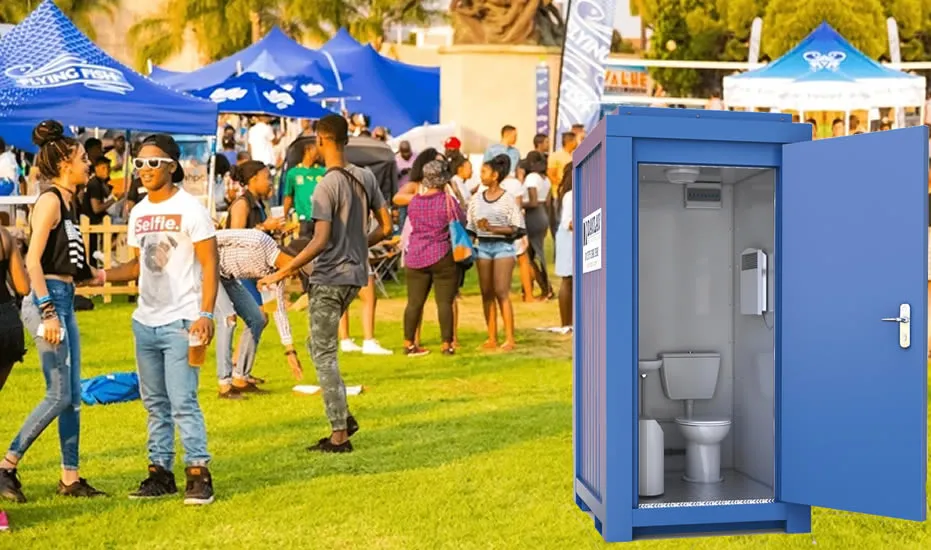
For premium tastings or curated food events, planners may consider higher-end units that align with the overall experience. Industry discussions frequently reference providers such as Rent Porta Johns when evaluating sanitation options suited to public-facing events rather than job site environments.
Balancing function and presentation is part of professional event planning.
Weather Impacts Usage and Stability
Outdoor events are sensitive to weather conditions. Rain can increase restroom usage due to shelter-seeking behavior. Heat may intensify odor concerns and accelerate supply depletion.
Planners should consider:
- Stabilizing units on uneven or soft ground
- Providing shade where possible
- Monitoring supply levels during hot-weather events
Weather-aware planning reduces operational surprises.
Vendor and Staff Needs Are Separate From Guest Needs
Food vendors and event staff require dedicated restroom access that does not interfere with guest flow. Inadequate separation may create congestion behind vendor tents or in staff-only areas.
Allocating distinct restroom clusters for vendors and staff preserves operational efficiency and prevents unintended overlap.
Security and Monitoring
High-attendance food and beverage events may require restroom area monitoring to maintain cleanliness and manage lines. Staff presence helps address issues quickly and reduces misuse.
Clear signage and lighting also support safe and orderly restroom usage, particularly at evening events.
Common Planning Mistakes
Recurring errors in sanitation planning for festivals include:
- Using general attendance ratios without adjusting for alcohol service
- Placing units without considering crowd flow
- Failing to schedule mid-event servicing
- Underestimating handwashing requirements
- Neglecting accessibility integration
These mistakes can overshadow otherwise well-executed events.
Integrating Restroom Planning into Early Site Design
Restroom planning should occur during initial site layout development, not after vendor placement is finalized. Mapping restroom clusters early ensures balanced distribution and adequate space for servicing trucks.
When sanitation planning is reactive, adjustments often require relocating vendors or reworking pedestrian routes.
Portable toilet planning for food festivals, beer gardens, and tastings requires more than meeting minimum unit counts. Alcohol consumption patterns, food safety regulations, dwell times, and crowd flow dynamics all shape restroom demand.
For event planners, integrating sanitation strategy into early design phases protects guest experience, regulatory compliance, and operational efficiency. When restroom logistics are aligned with the unique demands of food and beverage events, they support smooth execution rather than becoming a source of visible disruption.