Why Possum Removal Should Be Handled Carefully
Introduction
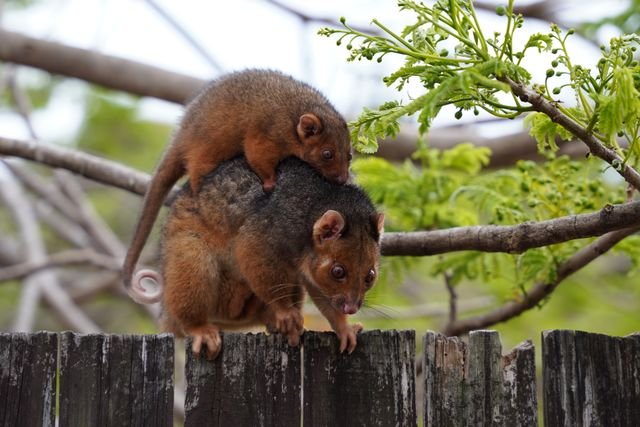
A possum in the roof can be stressful for homeowners. The noise can interrupt sleep, pets may become unsettled, and odours or damage may develop over time. However, possums are not ordinary pests. They are native animals and are protected under Australian laws.
This means they should not be trapped, harmed, or relocated incorrectly. Possum removal needs to be carried out carefully, with attention to both the property and the animal.
Understanding the right approach can help homeowners avoid mistakes that make the problem worse.
Also Read: Selling a Plymouth, MI Home in 2026
Possums Are Protected Wildlife
Possums play a role in the local environment and are legally protected. This makes them different from rodents or insects.
Homeowners should avoid using harmful methods, blocking entry points without checking, or attempting relocation without proper guidance.
Incorrect handling can create legal and welfare issues.
Why Possums Choose Roof Spaces
Roof spaces provide warmth, shelter, darkness, and safety. Possums may enter through broken tiles, loose vents, eave gaps, damaged flashing, or overhanging branches.
Once a possum finds a safe shelter, it may return repeatedly unless the entry point is properly managed.
Common Signs of Possum Activity
Common signs include loud thumping at night, scratching, movement across the ceiling, droppings, odours, roofline damage, and pets reacting to noises above.
Because possums are larger than rodents, their movement is often heavier and more obvious.
Why DIY Removal Can Go Wrong
Trying to scare a possum out, block a hole, or trap the animal without understanding the process can create problems.
A possum may become trapped inside, injured, separated from young, or simply find another way back in.
DIY removal can also be unsafe for homeowners if roof access is involved.
Entry Point Management Is Essential
Removing the possum is only part of the solution. The entry point must be found and sealed after the possum has safely left.
If the gap remains open, the same possum or another animal may return.
Why Timing Matters
Possums are usually active at night and may leave the roof after dark to feed. Timing removal and exclusion properly helps avoid trapping the animal inside.
If young possums are present, extra care is needed.
When Professional Support Helps
If the entry point is unclear, roof access is unsafe, or the possum keeps returning, professional help is recommended.
Professional Possum removal Sydney can help manage the issue with appropriate care and exclusion advice.
Prevention Tips
Trim branches away from the roof, repair broken tiles, secure vents, check eaves, and avoid feeding wildlife around the home.
Long-term prevention depends on closing access points after removal.
FAQs
Why do possums keep returning?
They may return if the roof space remains accessible or if the entry point has not been sealed properly.
Are possums dangerous?
Possums are usually not aggressive, but they should not be handled. They can scratch or bite if stressed.
Can possums damage roof spaces?
Yes. They may damage insulation, leave droppings, create odours, and disturb the roof space.
Conclusion
Possum removal should be handled with care because possums are protected native animals. The safest approach is to identify the entry point, remove the possum correctly, and prevent re-entry.
This protects both the home and the animal.