Smart Factory IoT Integration for Plastic Injection Moulding
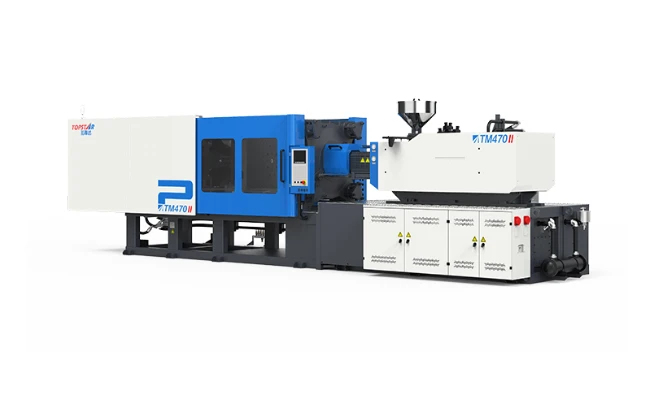
The manufacturing industry is entering a new era where efficiency is no longer solely determined by mechanical strength or cycle speed. Instead, data connectivity, automation, and intelligent control are redefining competitiveness. At the heart of this transformation is the plastic injection moulding machine, which has evolved from a standalone production device into a fully connected, intelligent manufacturing node. Traditional factories focus on output, while smart factories prioritise visibility, predictability, and flexibility. By integrating IoT and automation technologies, plastic injection moulding machines can now transmit real-time information on production status, energy consumption, and process stability.
Also Read: Strategic Frameworks for Global Resilience & Sustainability
Plastic injection moulding machine Connectivity: IoT as the Digital Backbone
IoT integration transforms plastic injection moulding machines into data-generating assets. Sensors throughout the machine continuously collect information such as temperature, pressure, cycle time, motor load, and energy consumption. This data is transmitted to a Manufacturing Execution System (MES) or cloud platform for analysis and decision-making.
Manufacturers no longer need to react after defects occur; instead, they can detect trends before failures happen. For example, a gradual increase in injection pressure might indicate material inconsistencies or mould wear. With IoT monitoring, engineers can intervene early, preventing downtime and scrap. Simultaneously, plastic injection moulding machines support open communication protocols, making integration with existing factory systems simple and convenient. This interoperability ensures that the adoption of smart factories does not require a complete overhaul of existing infrastructure.
Plastic Injection Moulding Machine Automation: From Manual Control to Autonomous Operation
Automation is a natural extension of IoT connectivity. In a smart factory environment, plastic injection moulding machines not only execute predefined instructions but also adapt to changing conditions.
Automation systems can adjust process parameters based on sensor feedback, ensuring consistent part quality even with varying raw material batches. Robotic arms handle part removal, inspection, and packaging, reducing reliance on manual labour while improving safety. Automated guided vehicles (AGVs) transport finished products, synchronising production processes without human intervention. Ultimately, the plastic injection moulding machine becomes part of an intelligent ecosystem, forming an efficient production line.
Transforming Information into Action
Data itself does not create value. What matters is how insights are extracted and applied. Advanced analytics platforms can transform raw data from Plastic injection moulding machines into actionable intelligence. Production managers can compare the performance of different shifts, moulds, or machines. Engineers can identify which parameters have the greatest impact on defect rates. Maintenance teams can shift from reactive repairs to predictive maintenance strategies.
In practice, this means fewer unexpected downtimes, faster root cause analysis, and more stable production schedules. Over time, data-driven optimisation allows manufacturers to reduce energy consumption and material waste while maintaining production targets.
Digital Integration of MES and ERP Systems
Smart factory integration extends beyond the shop floor. Plastic injection moulding machines connected to Manufacturing Execution Systems (MES) and Enterprise Resource Planning (ERP) systems enable alignment of production with business objectives.
Orders flow digitally from the ERP system to the machine level, reducing manual data entry and scheduling errors. Production feedback is automatically reported upstream. This closed-loop communication improves planning accuracy and inventory control efficiency. For manufacturers with multiple production sites, a centralised dashboard allows for real-time comparison of machine performance across factories. Standardised data structures ensure data consistency regardless of geographical location. In this way, Plastic injection moulding machines become a bridge between operations and management.
Selecting Plastic Injection Moulding Machines for Smart Factories
When evaluating plastic injection moulding machines, buyers shouldn’t focus solely on clamping force and injection volume. Smart factory readiness also requires attention to control architecture, communication standards, and software scalability. Key considerations include native IoT support, compatibility with third-party automation systems, and future technology upgrade paths. Machines with modular control system designs allow manufacturers to adopt smart capabilities incrementally, reducing initial investment risk. At Topstar, we advise customers to view smart integration as a long-term capability, not a one-time feature. An Plastic injection moulding machine that supports continuous digital evolution creates greater value throughout its lifecycle.
The Core of the Future Injection Moulding Factory
A smart factory isn’t built overnight; it evolves through the gradual integration of data, automation, and intelligent technologies. At the heart of this evolution is the Plastic injection moulding machine. By embracing IoT connectivity and automation trends, manufacturers gain clearer insights, greater control, and increased adaptability. They shift from reactive problem-solving to proactive optimisation. More importantly, they are better positioned to compete in a market wh