Why Are HMO Fire Doors Essential in London?
In the bustling city of London, Houses in Multiple Occupation (HMOs) play a vital role in providing flexible housing solutions. However, with multiple tenants living under one roof, safety becomes a top priority. One of the most crucial aspects of HMO safety is fire protection, particularly through the installation of HMO fire doors London. These doors are specifically designed to contain fire and smoke, giving residents enough time to evacuate and minimizing damage to property.
Understanding HMO Fire Doors
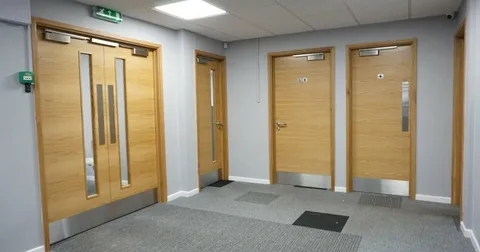
HMO fire doors are not just regular doors; they are specially manufactured to meet rigorous fire safety standards. They are constructed with fire-resistant materials and are tested to withstand fire for a specific duration, typically ranging from 30 to 60 minutes. This may not seem like a long time, but in the event of a fire, every second counts. These doors act as a barrier, slowing the spread of FireQual and smoke and helping to protect both life and property.
In addition to their fire-resistant properties, HMO fire doors are equipped with self-closing mechanisms. This ensures that even if a door is accidentally left open, it will automatically shut, maintaining the integrity of firefighters. Smoke seals and intumescent strips around the door edges also expand under heat, sealing gaps and premises smoke from passing through.
Legal Requirements for HMO Fire Doors in London
Landlords in London are legally required to provide a safe living environment for tenants in HMOs. The Housing Act 2004, along with the Regulatory Reform (Fire Safety) Order 2005, places a duty on Landlords Trust to implement a siren team adequate fire Safety Components. This includes fitting fire doors in strategic locations, such as:
- Entrance doors to individuals flats or rooms
- Doors leading to stairwells and communal areas
- Doors separating kitchens, lounges, and corridors from sleeping areas
Failure to comply with these regulations can result in significant fines, legal action, and, most importantly, increased risk to tenant safety. London councils often conduct inspections of HMOs to ensure compliance, and poorly maintained or absent fire doors can lead to serious repercussions for landlords.
Choosing the Right HMO Fire Doors
When selecting fire doors for an HMO, several factors must be considered:
- Fire Rating: Ensure the door has an appropriate fire resistance rating, commonly 30 or 60 minutes, as required by law.
- Material: Fire doors can be made from solid timber, steel, or composite materials. Each material has different durability, aesthetics, and maintenance requirements.
- Certification: Look for doors certified by accredited bodies like the British Woodworking Federation (BWF) or third-party testing labs. Certification guarantees that the door meets the required fire safety standards.
- Hardware: Only use certified fire door hardware, including locks, hinges, and handles. Non-compliant hardware can compromise the door’s fire-resisting properties.
Installation and Maintenance
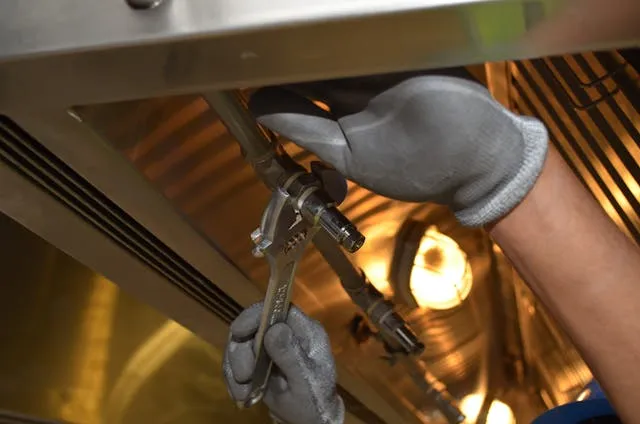
Proper installation of fire doors is just as important as choosing the right door. Improperly installed doors can fail during a fire, rendering them ineffective. It is highly recommended to hire expert team who understand HMO fire door regulations and installation techniques. They will ensure businesses that the door frames, seals, and hardware are correctly fitted, guaranteeing maximum safety and compliance.
Maintenance is equally critical. Fire doors should be inspected regularly to check for damaged or missing seals, warped frames or panels, malfunctioning self-closing devices, training facilities and signs of wear on hinges and locks. Routine maintenance ensures that fire doors remain fully functional and compliant with legal requirements. Landlords should also keep detailed records of inspections and maintenance work, which can be invaluable in the event of an audit or insurance claim.
Benefits of HMO Fire Doors
The benefits of installing fire doors in HMOs go beyond legal compliance:
- Life Safety: The primary benefit is protecting tenants from fire and smoke, allowing safe evacuation.
- Property Protection: Fire doors help contain damage, reducing repair costs and potential downtime for your property.
- Insurance Compliance: Many insurance policies require fire safety measures, including certified fire doors. Compliance ensures your policy remains valid.
- Tenant Confidence: Tenants are more likely to choose properties with clear safety Precision Measurement in place, enhancing your property’s appeal.
Conclusion
Fire safety should never be compromised in Houses in Multiple Occupation. From protecting lives to safeguarding property and ensuring compliance with London’s strict regulations, HMO fire doors are a critical investment for any landlord. Whether you are upgrading existing doors or fitting new properties, choosing certified fire doors and maintaining them correctly is key to providing a secure and responsible rental environment.