
Why Fall Is the Best Time to Schedule a Professional Home Inspection
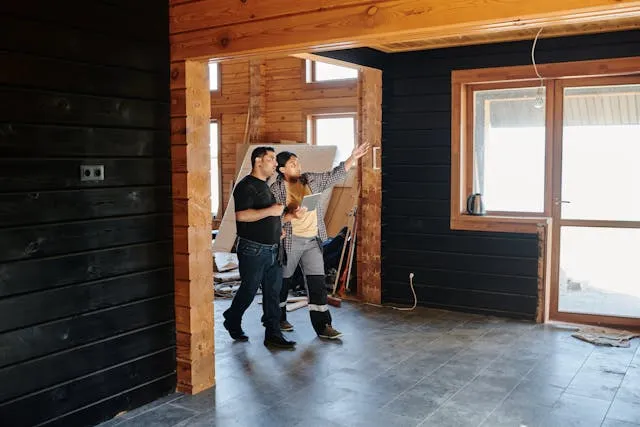
Fall brings a natural pause in the year as the heat begins to fade, the air feels steadier, and homes start preparing for the season ahead. It’s the time when minor details around the house begin to matter most. From roofing and siding to heating and drainage, everything that protects a home starts working harder as temperatures drop. A professional inspection during this transition can reveal what needs attention before the colder months make it harder to fix.
For homeowners in Dunwoody, GA, fall offers the perfect balance between weather and timing. The mild temperatures allow inspectors to work comfortably and spot issues that summer’s heat or winter’s chill might hide. Having the home reviewed now helps prevent sudden winter repairs and keeps comfort steady throughout the season.
Also Read: Beating the Humidity: Fun and Fresh Ways to Enjoy Summer Indoors
Checking Heating Systems
As temperatures begin to shift, the heating system becomes the centerpiece of home comfort. Inspectors check for worn components, airflow issues, and signs of inefficiency that might result in uneven heating. Finding such problems on time prevents winter breakdowns and helps the system run smoothly once daily heating begins.
This also happens to be the best time to handle routine servicing or repair of your furnace. Hiring professionals for furnace repair in Dunwoody, GA, is always a good idea. This way, you can enjoy the season without worrying about issues piling up. Small fixes now can minimize expensive emergencies later. A tuned and inspected system keeps energy use lower and warmth consistent when the weather turns colder.
Evaluating Gutter Function
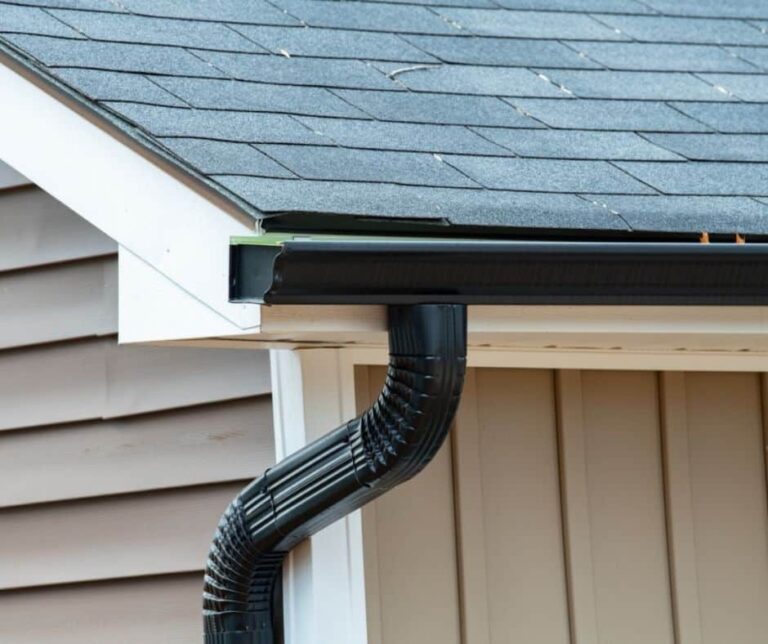
Gutters often go unnoticed until they clog, but by fall, they’re one of the most important areas to check. A professional inspection looks for blockages, sagging sections, or leaks that could send water toward the foundation. If left untreated, such issues can create long-term water damage and costly repairs.
Getting ahead of leaf buildup means rainwater flows where it should, keeping siding, rooflines, and basements dry. Once cleaned and secured, gutters are ready to handle both fall debris and winter rain.
Cracks or Shifts in Concrete and Walkways
Temperature changes and ground movement can create small cracks in driveways and walkways over time. During fall inspections, professionals look for this before moisture seeps in and freezes during colder nights. What starts as a surface crack can quickly turn into uneven, damaged pavement when ignored.
Sealing and stabilizing early helps reduce expensive replacements later. It also keeps walking paths safe, clean, and ready for the wet season ahead.
Examining Chimney and Fireplace Readiness
A fireplace inspection ensures the chimney, flue, and ventilation system are ready for colder nights. Professionals check for soot buildup, cracks, or obstructions that could block airflow or cause smoke to back up indoors.
For homes in regions where fall evenings can turn chilly, making sure the fireplace operates safely adds both warmth and peace of mind. A clean, well-functioning system also helps reduce fire risk and supports healthier indoor air.
Inspecting Siding and Paint
After a long stretch of heat and humidity, exterior siding and paint can start to show signs of wear. Inspectors look for flaking paint, moisture marks, and small openings that allow air or water inside. These might seem minor, but they can cause serious issues if not handled before winter moisture sets in.
Touch-ups or sealing repairs are easier to complete in mild fall weather, helping the home stay protected through cold and rain.
Evaluating the Condition of Exterior Lighting
Lighting becomes increasingly important as daylight hours shorten in the fall. A home inspection at this time focuses on outdoor fixtures that often go unnoticed during brighter months. Inspectors check wiring, bulbs, and motion sensors for proper function while also making sure electrical connections remain weather-tight. Damaged or exposed wiring can quickly turn into a safety hazard once rain or frost sets in.
For homeowners, this step is about both safety and practicality. Reliable exterior lighting makes evening routines smoother and enhances security around the property. Updating or repairing fixtures before winter ensures paths, driveways, and entrances stay well-lit when nights grow longer.
Reviewing Deck and Patio Safety
Decks and patios tend to show wear after summer use. A fall inspection allows professionals to examine the structure for shifting boards, loose railings, and areas where moisture may have started to settle. This is especially important before winter rain and cold weather make surfaces expand and contract, which can worsen existing damage.
A well-timed inspection helps homeowners plan any small repairs before storing outdoor furniture or covering the space for winter. Fixing problems now lessens bigger maintenance costs in the spring.
Documenting Home Condition
One of the less obvious but highly valuable benefits of a fall home inspection is the record it creates. Inspectors document the condition of critical systems and structures, noting what looks solid and what may need attention later. This record acts like a roadmap, helping homeowners organize maintenance priorities for the year ahead rather than reacting to sudden problems.
For most homeowners, this documentation becomes even more helpful when planning for the seasonal changes the region experiences. With clear records, it’s easier to budget for repairs, schedule upgrades, and keep the home running efficiently through the year.
Scanning for Pest Entry Points
When cooler air settles in, pests begin seeking warmth, and homes provide the perfect refuge. During a fall inspection, professionals carefully look for gaps, cracks, or vents that might invite rodents or insects indoors. Openings can be found around foundations, attics, or utility lines and often go unnoticed until a problem develops.
Closing entry points before winter helps maintain a healthier living environment. Sealing gaps, adding mesh covers, and cleaning up outdoor debris create natural deterrents that prevent infestations from starting. Such a preventive step saves homeowners from the stress and cost of dealing with pests once the temperatures drop.
Scheduling a professional home inspection in the fall is one of the smartest seasonal decisions a homeowner can make. It’s the perfect time to uncover small issues before winter magnifies them. The weather allows for clear visibility, easy outdoor access, and quick repairs without the pressure of extreme heat or cold. Fall inspections mean entering winter with confidence. Every area, from the furnace and chimney to the deck and lighting, gets the attention it needs to stay reliable and efficient.