Why Outdoor Comfort Matters: Designing Spaces for Everyday Living
Creating outdoor spaces that are both functional and inviting is essential for everyday living. Comfort in outdoor design goes beyond aesthetics—it encompasses usability, protection from the elements, and a sense of relaxation. Thoughtful layouts, durable furniture, and the right combination of shading and greenery can transform a backyard, patio, or garden into an extension of your home. When people feel comfortable outdoors, they are more likely to spend time outside, whether for family gatherings, quiet relaxation, or casual entertaining.
Also Read: Tips for Selling Your House As-Is Without Stress
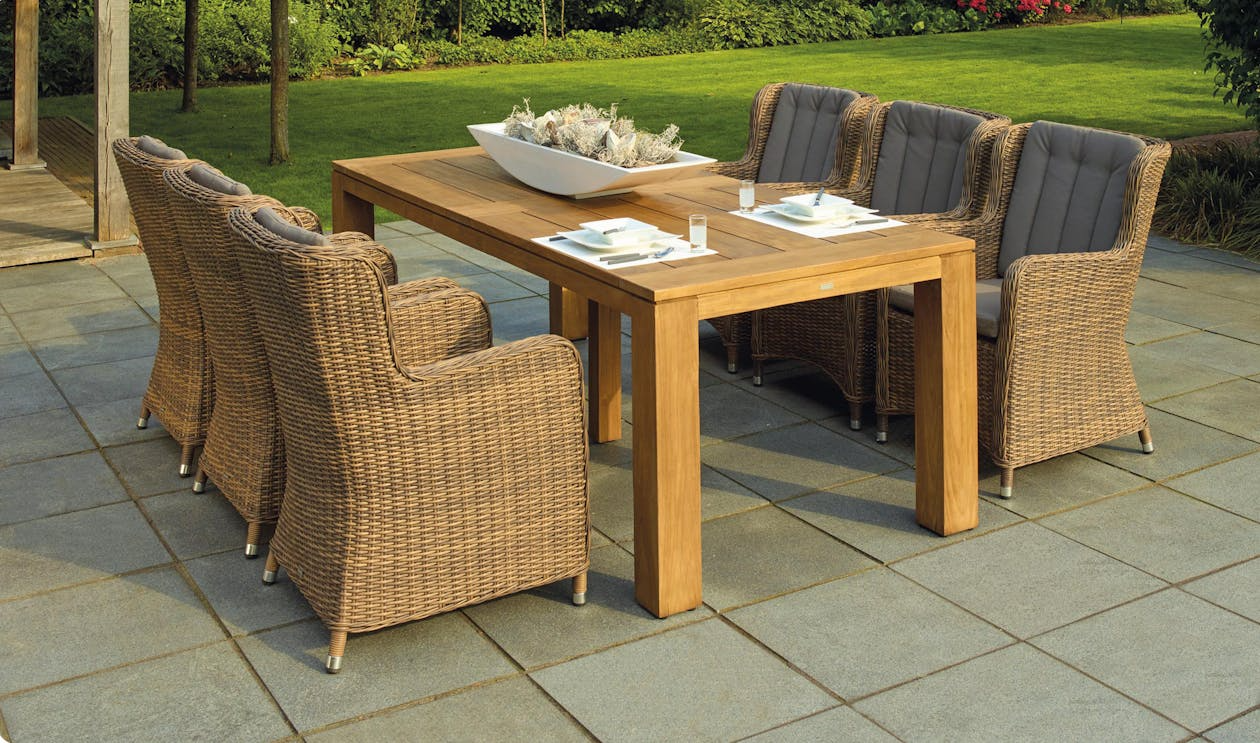
One practical way to enhance outdoor comfort is through covered patio installation. A well-designed covered area provides shelter from the sun and rain, allowing for year-round enjoyment while maintaining a connection to nature. Integrating covered spaces with seating, lighting, and landscaping creates versatile environments that are both functional and welcoming, supporting everyday activities in style and comfort.
Blending Indoor Comfort with Outdoor Style
Creating a unified feeling between indoor and outdoor spaces begins with the right balance of visual cues and material selections. Rather than replicating your exact indoor design, echo the mood—such as minimalist luxury or rustic charm—through elements like custom seating, subtle color palettes, and coordinated textiles. For example, curved concrete seating paired with a minimalist plant palette can establish a sculptural yet restrained look that complements contemporary interiors while withstanding the elements outside.
Incorporating Biophilic Design Elements
Biophilic design connects people to nature at home, supporting well-being through the strategic placement of organic materials and living elements. Including robust woods, leafy plants, and exposure to daylight stimulates the senses and improves air quality. Timber or thermally modified woods are not only durable and weather-resistant—they also introduce warmth and authenticity to outdoor living areas. Biophilic spaces create a peaceful and grounding atmosphere, ideal for unwinding or hosting gatherings.
Embracing Simplicity and Negative Space
Simplicity is a guiding principle in modern outdoor design, emphasizing clarity and relaxation. Wide stone walkways, open decks, and deliberate empty spaces allow for efficient movement and draw attention to focal features rather than overwhelming the senses with clutter. Strategic use of negative space also creates the illusion of a larger area, making small patios feel significantly more open and inviting. Harmonizing blank walls with bursts of greenery or artful planters ensures outdoor spaces maintain both balance and visual intrigue. For those looking to add vibrant, low-maintenance color to these minimalist settings, mastering Lantana care is a rewarding way to ensure your garden thrives with minimal effort while supporting local pollinators.
Integrating Functional and Stylish Features
Practical outdoor elements should serve multiple purposes—offering comfort, acting as gathering points, and becoming natural highlights of your outdoor design. Modular seating, weatherproof storage, modern fire pits, and shaded pavilions are just a few options that blend utility with visual appeal. Feature-rich designs not only boost the usability of backyards and patios but also invite friends and family to gather throughout the year, creating lasting memories. Prioritizing adaptable furniture and versatile features maximizes available space without compromising aesthetics.
Prioritizing Sustainability in Outdoor Design
Eco-friendly choices, from recycled wood to drought-resistant landscaping, are integral to contemporary outdoor living. Sustainable materials reduce the carbon footprint of your hardscape, while native plants minimize water usage and support local wildlife. Designing with sustainability in mind also means selecting durable products that require less frequent replacement, saving resources in the long run. Select finishes and features that consider environmental impact to create an outdoor space that’s both beautiful and responsible.
Enhancing Year-Round Usability
A truly comfortable outdoor space invites use in every season, not just during temperate months. Integrating features like pergolas, retractable awnings, and outdoor heaters provides shelter from intense sun, wind, or rain while extending the functional lifespan of your deck or patio. Lighting elements, such as soft garden lights or solar fixtures, ensure your outdoor living space remains inviting after sunset. These additions turn patios and backyards into versatile extensions of the home, perfect for any occasion or time of year.
Conclusion
Designing for outdoor comfort is more than just aesthetics—it’s a commitment to creating spaces that foster relaxation, promote health, and facilitate social connections. By blending indoor style, biophilic influences, negative space, and ecological responsibility, homeowners can make their patios and gardens integral daily destinations. Take cues from trusted resources, infuse your personality, and let both comfort and sustainability guide your choices. The reward is an outdoor sanctuary that invites everyday living, regardless of season or weather.