Modular Playground Benefits for Flexible Spaces
Fixed playground installations look permanent until your needs change, enrollment shifts, or you realize the layout doesn’t work.
Also Read: How Gamers Stay Connected While Exploring the World
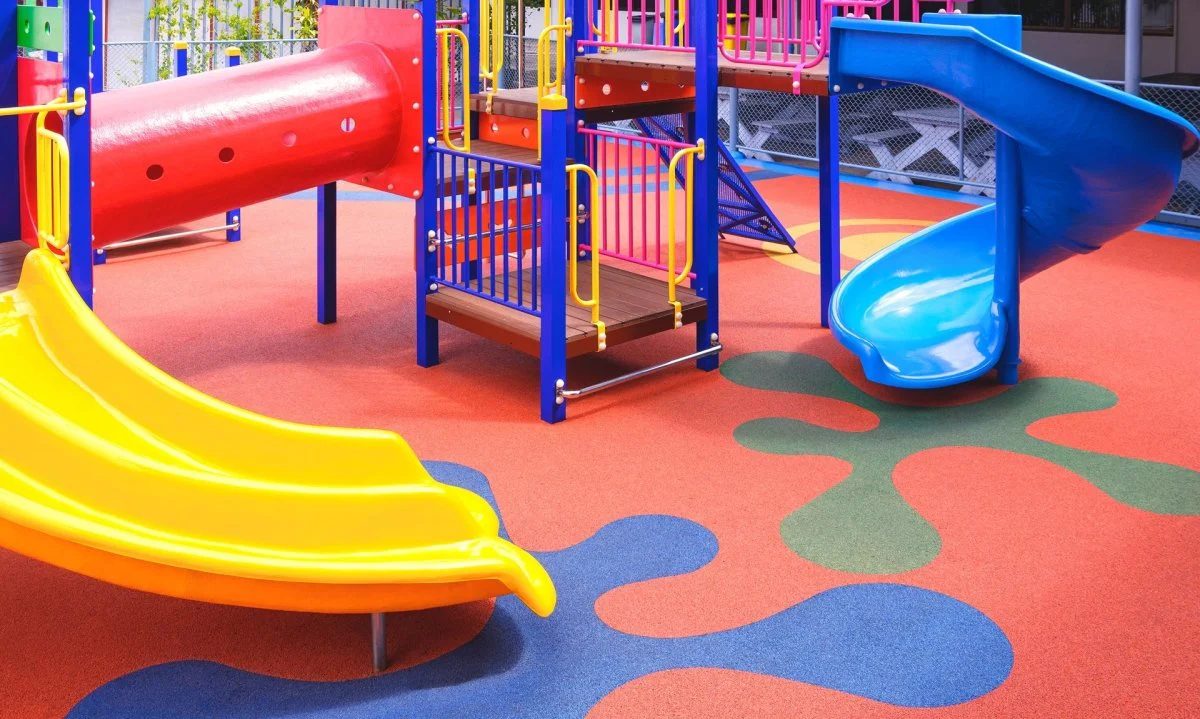
Starting over means massive expense and waste. Modular playground equipment solves this by using interchangeable components that reconfigure without complete replacement. Think building blocks at playground scale—posts, platforms, slides, climbers, and bridges that connect in multiple arrangements. Schools and councils using modular systems report 40% cost savings over 10-year periods compared to traditional fixed installations, primarily because they adapt equipment rather than replacing it entirely when needs evolve. The flexibility extends beyond reconfiguration to phased purchasing, where organizations start small and expand as budgets allow.
Reconfiguration Without Replacement
Children’s needs change as they age, and what excites five-year-olds bores ten-year-olds. Modular systems let you swap components to maintain engagement across age groups without buying entirely new equipment. Remove the toddler slide, add a climbing wall. Reposition platforms to create new challenge sequences. This adaptability means playground investments stay relevant longer. Schools with shifting demographics—maybe more young children one year, more older kids the next—adjust equipment emphasis without capital expenditure. The reconfiguration process typically requires basic tools and can happen during holiday breaks, avoiding extended playground closures that disrupt school routines.
Phased Implementation Flexibility
Budget constraints often force organizations to choose between inadequate playgrounds now or waiting years to afford comprehensive installations. Modular equipment enables phased approaches where you start with core structures and add components as funding becomes available. Begin with a basic tower and slide, add climbing elements next year, incorporate sensory panels the following year. Each addition integrates seamlessly because components share standardized connection systems. This approach spreads costs over multiple budget cycles while still providing functional play spaces immediately. Grant applications become easier too, since you can request funding for specific additions rather than all-or-nothing proposals.
Space Optimization Options
Outdoor space is precious, especially in urban settings where playgrounds squeeze into limited areas. Modular systems maximize space efficiency through compact designs that combine multiple play activities vertically and horizontally. Components nest together, creating complex play sequences within smaller footprints than traditional equipment arrangements require. When space constraints change—maybe you lose area to building expansion or gain space from adjacent property—modular equipment adapts to new dimensions. Tall, narrow configurations work for tight spaces, while expansive horizontal layouts suit larger areas, all using the same component inventory reconfigured to fit.
Simplified Maintenance and Repair
Traditional playground equipment requires specialized parts when components break, often meaning long waits and extended downtime while manufacturers fabricate custom replacements. Modular systems use standardized parts available off-shelf, dramatically reducing repair timelines. A damaged slide section swaps out in hours rather than weeks. Worn climbing grips replace individually without disassembling entire structures. This parts interchangeability reduces maintenance costs and keeps playgrounds operational. Organizations can stock common replacement components on-site, enabling immediate repairs by facilities staff rather than waiting for specialized contractors. Preventive maintenance simplifies too, since inspectors recognize standardized components and know exact specifications without consulting manufacturer-specific documentation.
Enhanced Safety and Compliance
Modular playground equipment also improves safety management because each issue is designed to satisfy standardized protection rules. Instead of comparing a whole fixed shape, inspectors can verify individual modules, ensuring each piece meets modern-day compliance necessities. When protection pointers change as they frequently do, companies can update only the affected components rather than changing entire play structures. This reduces long-term liability and makes it easier to maintain a consistently safe environment for children. Many modular manufacturers also offer ordinary compliance updates, retaining schools and councils aligned with today’s safety standards without major reinvestments.