Signs Your Property Might Have Hidden Damp Problems
Introduction
Damp problems are notorious for lurking beneath the surface, threatening both the health of a building and its occupants. Many homeowners discover the issue only after expensive repairs become necessary. Understanding what hidden dampness looks like, feels like, and even smells like is essential to prevent long-term structural damage and avoid potential health complications.
Also Read: Climate Controlled Storage in Sarasota FL: When You Need It
For those who suspect issues, consulting damp and mould specialists can offer a precise assessment and targeted solutions. Detecting early warning signs empowers you to intervene quickly before moisture undermines your property. Damp problems not only deteriorate building materials over time but can also create an environment where mold and mildew thrive, contributing to respiratory difficulties and other health issues.
Persistent Musty Odors
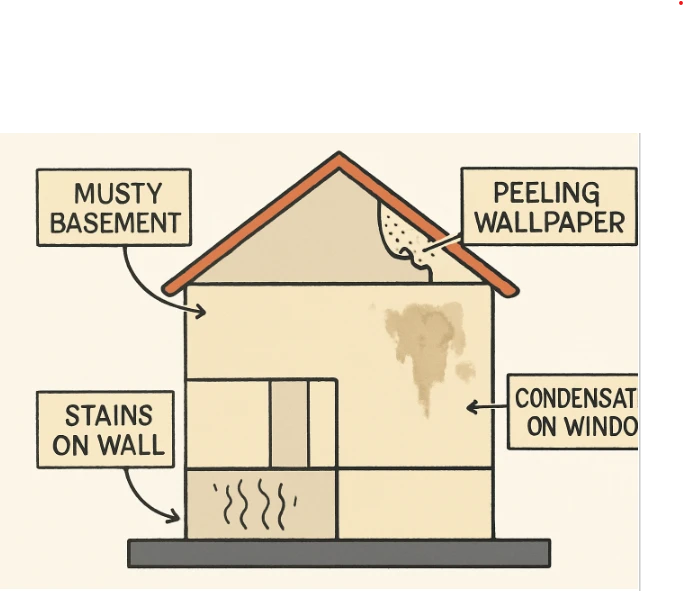
One of the earliest and most recognizable symptoms of hidden damp is a musty or earthy odor. This lingering smell often becomes most noticeable in confined areas with poor airflow, such as basements, attics, or cupboards. These odors signal excessive moisture, which can encourage mold colonies to form behind walls and beneath flooring. A musty smell should never be ignored, as it nearly always points to a source of hidden moisture that can worsen over time.
Unexplained Stains or Discoloration
Stains and discoloration are visual indicators that water is seeping into building materials. Yellow, brown, or sometimes greyish marks on ceilings and walls are often found in areas near bathrooms, kitchens, and windows where water pipes or condensation are present. If you see map-like stains, streaks, or faint rings, it’s vital to investigate the underlying cause. Detecting these signs early can help prevent structural decay and ensure your home’s safety.
Peeling or Bubbling Paint and Wallpaper
Dampness trapped within wall cavities forces paint or wallpaper to lose its grip on the underlying surface. Paint may appear cracked, bubbled, or completely separated from the wall in extreme cases. Wallpaper might peel away at the seams or develop pockets of air where the adhesive has failed due to underlying moisture. These changes usually mean water is moving through plaster, masonry, or drywall, and it is important to identify the source quickly.
Warped or Buckling Floors
Dampness below the flooring can lead to significant warping and deformation. The symptoms vary depending on the type of flooring:
- Loose Tiles: Cracked grout or shifting tiles may indicate moisture issues beneath the tile surface.
- Hardwood Floors: Be alert for cupping (edges curling upward), crowning (center raised), buckling, or widened gaps between planks. Persistent water exposure is commonly responsible for these changes.
- Carpeted Floors: Areas that feel soggy, cold, or display undefined stains suggest water infiltration, possibly from below or an adjacent room.
Condensation on Windows
If you notice persistent moisture beading on indoor window panes, particularly in colder months or in rooms such as kitchens and bathrooms, this could point to issues with indoor humidity levels. Poor ventilation often traps steam and water vapor indoors, allowing them to condense on cooler surfaces, such as glass. Over time, this ongoing condensation can raise indoor humidity enough to contribute to molds and rot in framing or plasterboard.
Increased Allergy Symptoms
People who spend time in damp, mold-prone houses often report frequent coughing, sneezing, or sinus congestion. Even if you haven’t noticed mold growing visibly, spores can travel through the air and cause significant allergic reactions and worsen asthma. If household members notice worsening symptoms indoors that resolve when away from home, this could point to a hidden water or mold problem.
Efflorescence on Walls
Finding white, powdery deposits on garage, cellar, or other masonry walls means moisture is pushing dissolved salts through the material’s surface. This process, called efflorescence, is a clear sign of water ingress from soil or pooling outside. Efflorescence can leave structures vulnerable to further moisture and decay if unaddressed, and often indicates the need for improved site drainage.
High Indoor Humidity
If your home consistently feels clammy or overly humid and a hygrometer regularly reads above 60 percent, your risk of hidden damp problems increases significantly. High humidity creates ideal conditions for mold and mildew, which can damage soft furnishings, electronics, and even structural wood or plaster. Monitoring your home’s humidity with a quality device can alert you to persistent issues before they cause damage.
Final Thoughts
Learning to detect subtle indicators of hidden damp is the best defense against the wide-ranging problems it can cause. Regular inspections, prompt repairs, and ensuring adequate ventilation in all living spaces are crucial steps in safeguarding your property. By remaining alert to the signs above, you can protect your home from costly damage and maintain a safe, healthy indoor environment.