What Happens During a Professional Pool Cleaning Service?
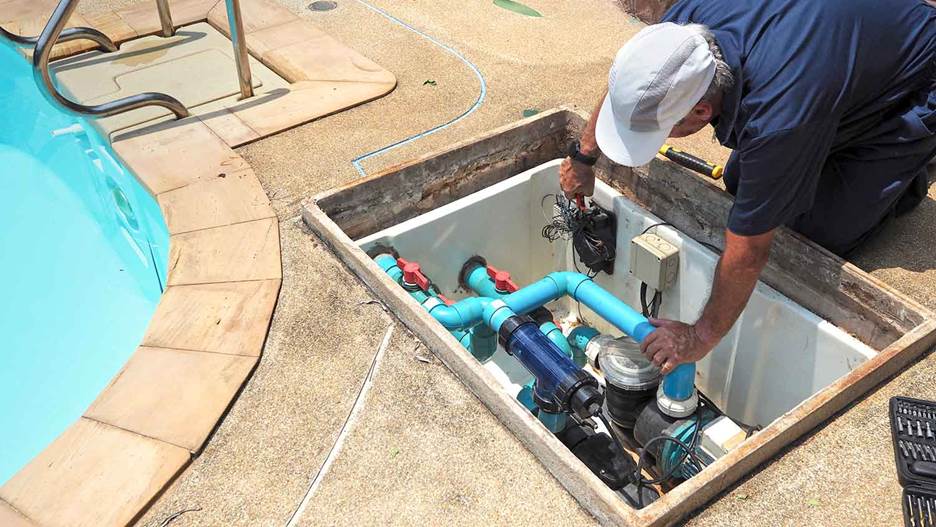
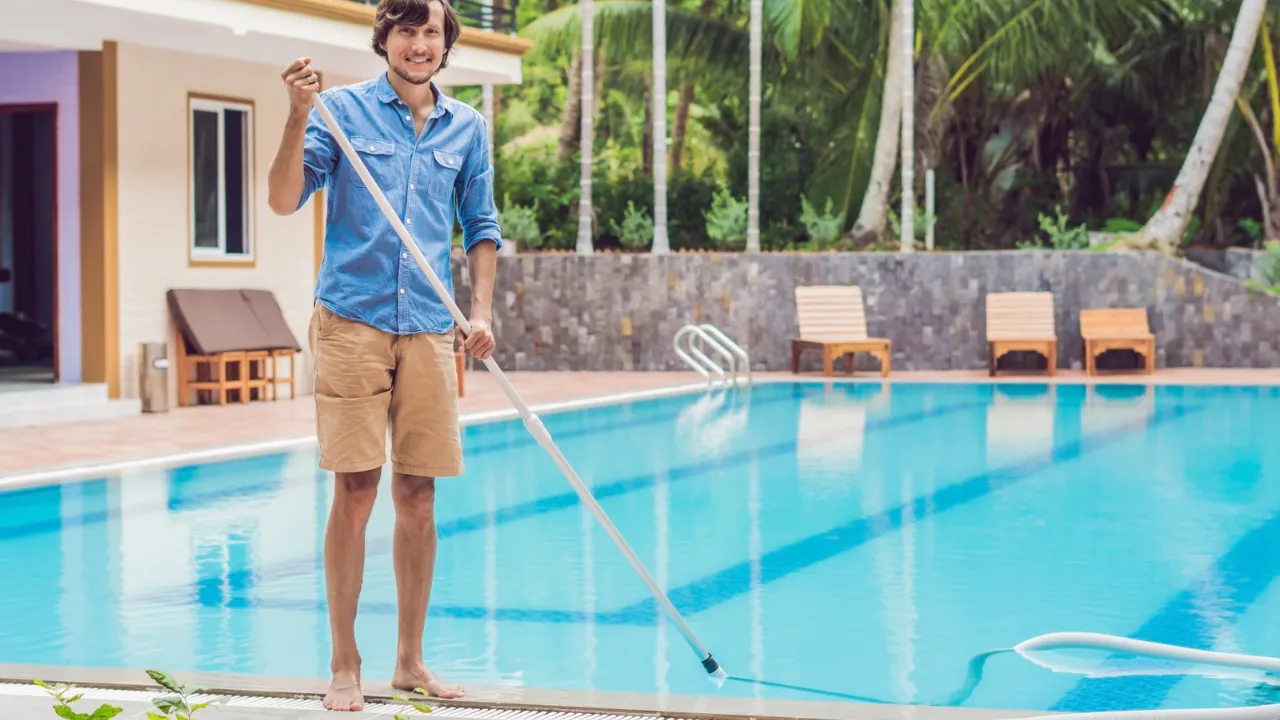
One of the best luxuries in life is to possess a swimming pool. It provides leisure and recreation as well as an ideal getaway in warm weather. However, a pool has to be regularly taken care of. Without proper attention, even the most beautiful pool can quickly become cloudy, unbalanced, or unsafe. This is where professional pool cleaning services play a vital role. Most people who own a pool know about the necessity to clean it but do not always know what a professional visit comprises. Quality service is much more than merely skimming leaves or putting in chemicals. It is a structured process designed to protect water quality, equipment performance, and the overall lifespan of your pool.
Also Read: The Hidden Dangers of Skipping Professional Water Damage Restoration
Initial Inspection and Assessment
A professional pool cleaning service starts with the visual inspection. The technicians review the overall state of the pool prior to conducting any form of maintenance.
They typically check:
- Water clarity
- Surface debris levels
- Equipment functionality
- Signs of damage or wear
This analysis assists in determining the urgent issues and nothing that is significant is left behind. As an example, technical problems such as leaks, cracking or strange pump sounds might require pool repair as opposed to the regular maintenance. Such problems can be detected at an early stage and avoid expensive repairs in the future.
Skimming and Surface Cleaning
One of the most visible parts of pool maintenance is debris removal. Floating particles, leaves, and insects grow very fast, particularly in pools that are situated outside.
At this phase, technicians:
Skim the water surface
Remove floating debris
Empty skimmer baskets
This step may appear to be easy, but it is necessary. Surface waste finally sinks and leads to staining, algae growth and strain of filtration.
Frequent cleaning of the pools stops the organic matter from decomposing in the water.
Brushing Walls and Tiles
With the passage of time, the surfaces of the pools become dirty, full of algae and mineral deposits. Although water might seem clean, there is a possibility of microscopic contaminants being deposited on the walls and tiles.
Carefully brush professionals:
- Pool walls
- Floor surfaces
- Tile lines
- Steps and corners
This will avoid the formation of algae and also eliminate deposits that would otherwise cause surface damage or discoloration. Consistent brushing also reduces the likelihood of requiring cosmetic pool repair in Phoenix, AZ due to staining or etching.
Vacuuming the Pool Floor
Whereas skimming can be used on floating debris, vacuuming techniques are used on particles that have settled on the bottom.
Technicians use specialized equipment to remove:
- Dirt
- Sand
- Fine debris
- Organic residue
Vacuuming enhances clarity of waters and lightens the filtration systems. In its absence, the resulting debris might be piled up and block filters or influences the circulation rates. Proper cleaning of the pools will mean that there is no continuous flow of contaminants in the system.
Water Testing and Chemical Balancing
Water analysis is, perhaps, the most important element in professional pool cleaning. Clearly water is not necessarily balanced water.
Technicians measure such important parameters as:
- pH levels
- Chlorine concentration
- Alkalinity
- Calcium hardness
Unbalanced water may cause a number of problems:
- Eye and skin irritation
- Equipment corrosion
- Scale formation
- Algae growth
Accurate chemical balancing maintains the safety of water and preserves the elements of a pool. Lack of balance can break pumps, heaters, or liners, and this can cost a lot to repair the pool. Professional testing eliminates the element of guesswork and provides accuracy.
Filter and Equipment Maintenance
The filtration system is the heart of a pool in terms of protection against contamination. The technicians check and repair equipment during service visits to maintain optimal use of the equipment.
Typical tasks include:
- Cleaning filters
- Checking pump operation
- Inspecting return jets
- Assessment of water circulation
Neglected filters lower cleaning effectiveness and put mechanical systems under strain. This stress over time may reduce the life span of the equipment and may also be a cause of pool repair. Regular servicing contributes to the regularity of the performance and energy consumption.
Identifying Potential Problems
Seasoned technicians can pick up on some of these warning signs that the owners of the pools might be oblivious to.
These may include:
- Minor leaks
- Early cracks
- Pump irregularities
- Pressure changes
Minor issues can be dealt with at an early stage, avoiding inconveniences and prolonging the lifespan of the pool. What might have been a simple problem might grow out of control in a short time. Professional pool cleaning in Phoenix ensures preventative maintenance checks, not just cleaning sessions.
Final thoughts
Investing in routine pool cleaning is not just about appearance. It is about prevention, performance, and peace of mind. By maintaining both water and equipment, you significantly reduce the likelihood of unexpected pool repair expenses and ensure your pool remains ready for enjoyment year-round.