Transforming Empty Yard Space into Usable Living Areas
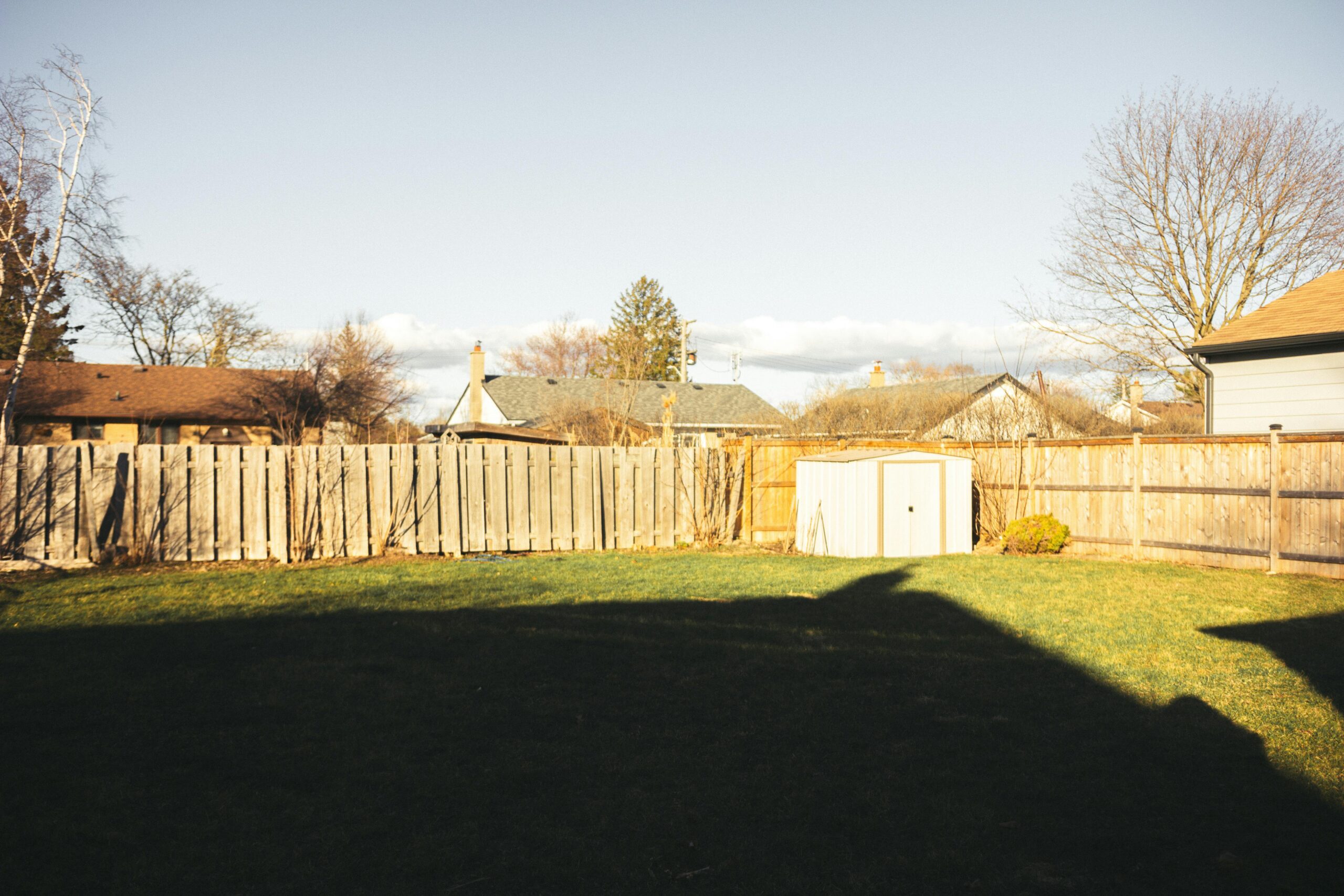
A bare yard often feels like wasted potential. The grass grows, the seasons change, and yet the space sits unused while the rest of the home buzzes with activity. Many homeowners look out their back windows and see nothing but empty ground, unsure how to turn that flat patch into something they actually enjoy.
The good news is that an unused yard holds tremendous opportunity. With thoughtful planning, even the plainest stretch of lawn can become an extension of the home itself, offering room to relax, entertain, cook, garden, or simply breathe.
Building a Strong Foundation for Outdoor Living
Any permanent feature added to a yard, whether it is a raised patio, a planter wall, or a built-in bench, depends on the building units holding it together. Among the most widely used options for this kind of work are concrete blocks, which are dense, manufactured units made from cement, sand, gravel, and water. They are valued for their strength, their resistance to weather, and their ability to carry heavy loads without cracking or shifting over time.
Many homeowners assume concrete blocks, cement blocks, and cinder blocks are the same thing, but each one has a different composition and a different ideal use. Anyone weighing the options for an outdoor build will find a clear breakdown of cement, cinder, and concrete blocks genuinely useful before committing to a material. Once the right choice is made and the base is set correctly, every other part of the yard transformation can be built on top of it with confidence.
Creating Zones That Reflect How You Live
A yard does not have to serve a single purpose. In fact, the most enjoyable outdoor spaces are the ones broken into clear zones, each one shaped around a specific activity. A reading nook tucked beside a tree, a dining area near the kitchen door, and a play space toward the back can all coexist without crowding each other.
Think about how your household actually spends time outdoors. Some families gather for weekend meals, while others prefer quiet evenings with a book and a warm drink. Mapping out these habits first allows the yard to support real life rather than forcing life into a generic layout.
Designing Comfortable Seating and Gathering Spots
Comfort is the difference between a yard people use and a yard people only look at. Cushioned chairs, weather-resistant sofas, and shaded benches invite longer stays. Position seating so that conversations flow naturally, with chairs angled toward each other rather than lined up like a waiting room.
A central feature, such as a fire pit or a low table, gives the arrangement a sense of purpose. Soft outdoor rugs add warmth underfoot, while throw pillows in muted tones make the space feel pulled together.
Adding an Outdoor Kitchen or Dining Area
Few upgrades stretch the usefulness of a yard more than the ability to cook and eat outside. A simple grilling station with a prep counter can grow over time into a full outdoor kitchen with storage, a sink, and seating for guests. Even on a smaller scale, a sturdy table under a pergola can host weekend brunches and casual dinners with minimal effort.
Pair the dining area with string lights or low lanterns, and the space becomes warm and inviting once the sun sets. Outdoor cooking also keeps heat and odors out of the indoor kitchen during warmer months, which is a practical bonus most homeowners appreciate.
Bringing Greenery and Garden Beds Into the Plan
Plants soften hard edges, draw the eye, and turn a flat yard into something layered and alive. Raised garden beds offer an easy entry point for anyone interested in growing herbs, vegetables, or flowers, and they keep the soil contained and tidy.
Climbing vines along a trellis can shade a seating area while also adding texture to plain walls. For low-maintenance options, native shrubs and ornamental grasses fill space without demanding constant care.
Incorporating Pathways and Lighting
Pathways guide movement through the yard and quietly tie the various zones together. A walkway made of stone, brick, or poured surfaces creates a sense of intention, signaling that the space is designed rather than accidental. Edge the path with low plants or solar lights for a polished finish. Lighting itself deserves careful thought.
Soft uplighting on trees, lanterns near seating, and gentle path lights extend the usability of the yard well into the evening. Layered lighting, with a mix of ambient, task, and accent sources, gives the outdoor area the same warmth and depth that good indoor lighting provides.
Planning for Privacy and Year-Round Use
A truly usable yard offers a sense of seclusion. Tall hedges, lattice screens, and freestanding panels can shield seating areas from neighboring views without making the yard feel boxed in. For privacy that grows over time, a row of bamboo or columnar trees works beautifully. Year-round comfort matters just as much.
Awnings, pergolas, and retractable shades protect against harsh midday sun, while outdoor heaters and covered structures stretch the season into cooler months. With these elements in place, the yard remains welcoming far longer than the typical few warm weeks each year.