Heating Cooling Upgrades That Improve Comfort Efficiency
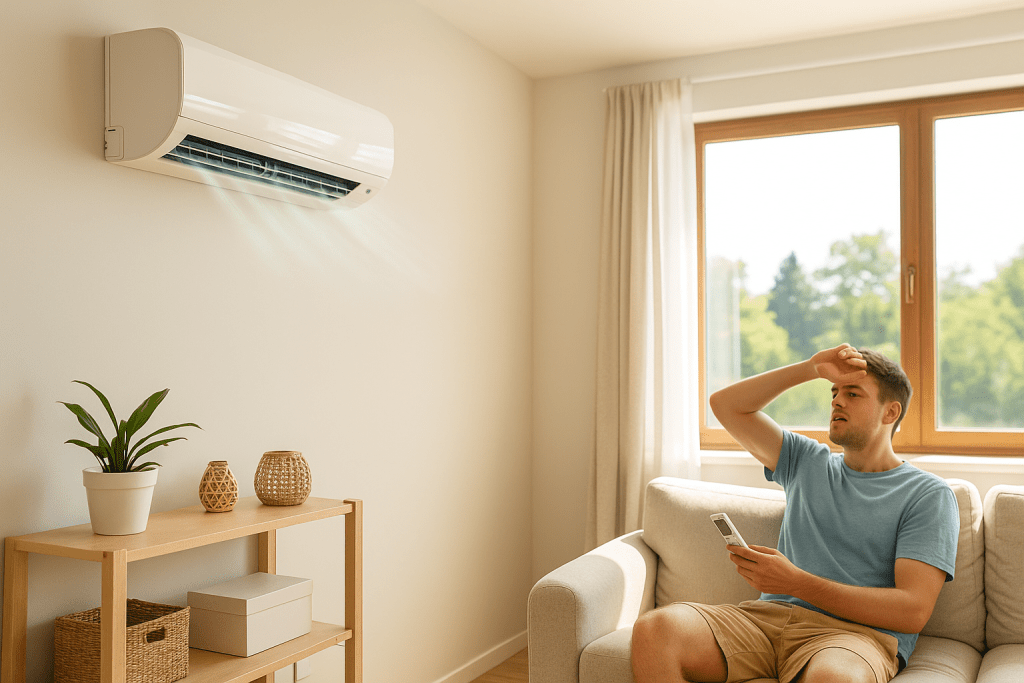
Creating a comfortable and energy-efficient home starts with a reliable heating and cooling system. As energy costs continue to rise, homeowners are increasingly looking for practical ways to improve indoor comfort while reducing monthly utility bills. Modern HVAC upgrades offer an effective solution, helping households maintain consistent temperatures, improve indoor air quality, and increase overall system performance.
From smart thermostats and high-efficiency heat pumps to upgraded ductwork and insulation, these improvements can make a significant difference in both comfort and energy savings. Working with an experienced HVAC contractor in Clackamas, OR, can help homeowners identify the most beneficial upgrades for their specific needs. By investing in energy-efficient heating and cooling solutions, homeowners can enjoy greater comfort, lower operating costs, and long-term value while creating a healthier and more sustainable living environment.
Why HVAC Upgrades Matter
Older heating and cooling systems often operate less efficiently than modern alternatives. As equipment ages, components wear down, airflow may become restricted, and energy consumption tends to increase. Even if a system still functions, it may no longer provide the level of comfort or efficiency homeowners expect.
Upgrading key HVAC components can deliver several benefits:
- Improved indoor temperature consistency
- Reduced monthly energy bills
- Better indoor air quality
- Quieter operation
- Lower environmental impact
- Increased property value
Rather than waiting for a complete system failure, proactive upgrades allow homeowners to enjoy these advantages while extending the life of their overall HVAC setup.
Upgrade to a High-Efficiency HVAC System
One of the most impactful improvements is replacing an aging furnace, air conditioner, or heat pump with a high-efficiency model.
Modern HVAC equipment is designed to use less energy while delivering superior performance. Advanced technology allows systems to maintain temperatures more accurately and operate more efficiently during peak heating and cooling seasons.
High-efficiency systems often feature:
- Variable-speed motors
- Advanced compressors
- Improved heat exchangers
- Smart energy management capabilities
Although the initial investment may be higher, many homeowners find that energy savings help offset the cost over time.
Install a Smart Thermostat
A smart thermostat is one of the simplest and most cost-effective HVAC upgrades available.
Unlike traditional thermostats, smart models learn household routines and automatically adjust temperatures to optimize comfort and efficiency. Many systems can also be controlled remotely through a smartphone app.
Benefits of smart thermostats include:
- Reduced energy waste
- Greater temperature control
- Convenient scheduling options
- Remote access from anywhere
- Energy usage tracking
By ensuring your heating and cooling system only operates when needed, a smart thermostat can contribute to noticeable savings throughout the year.
Improve Home Insulation
Even the most advanced HVAC system will struggle if conditioned air escapes through poorly insulated walls, attics, or crawl spaces.
Improving insulation helps retain heated or cooled air, reducing the workload placed on your HVAC equipment. This allows the system to maintain desired temperatures more efficiently and consistently.
Areas commonly upgraded include:
- Loft and attic spaces
- Exterior walls
- Basements
- Floors above unheated areas
Better insulation creates a more comfortable living environment while lowering heating and cooling costs.
Upgrade Air Ducts for Better Airflow
Ductwork is often overlooked when homeowners consider HVAC improvements. However, damaged or poorly designed ducts can significantly reduce system performance.
Leaks, gaps, and poor insulation allow conditioned air to escape before it reaches living spaces. This not only wastes energy but also creates uneven temperatures throughout the home.
Professional duct upgrades may include:
- Sealing leaks
- Replacing damaged sections
- Adding insulation
- Redesigning airflow pathways
Improved ductwork helps ensure that heated and cooled air reaches every room efficiently.
Consider a Heat Pump System
Heat pumps have become increasingly popular due to their exceptional energy efficiency.
Unlike traditional systems that generate heat, heat pumps transfer heat between indoor and outdoor environments. This process requires less energy and provides both heating and cooling capabilities within a single system.
Modern heat pumps can operate effectively in a wide range of climates and offer several advantages:
- Lower energy consumption
- Year-round comfort
- Reduced carbon emissions
- Quiet operation
- Improved humidity control
For many homeowners, a heat pump represents a practical long-term investment.
Enhance Indoor Air Quality
Comfort is about more than temperature alone. Indoor air quality has a major impact on health and well-being.
Modern HVAC upgrades can include air quality improvements such as:
- Whole-home air purifiers
- Advanced filtration systems
- Humidifiers
- Dehumidifiers
- Ventilation enhancements
These additions help reduce airborne particles, allergens, and excess moisture, creating a healthier indoor environment for occupants.
Upgrade to Zoned Heating and Cooling
Not every room in a home requires the same level of heating or cooling. Zoned HVAC systems allow homeowners to control temperatures in different areas independently.
For example, bedrooms can remain cooler while living areas stay warmer during the winter months.
Benefits of zoning include:
- Personalized comfort
- Reduced energy consumption
- Less strain on HVAC equipment
- Improved temperature consistency
This upgrade is particularly beneficial for larger homes or properties with multiple floors.
Regular Maintenance Supports Efficiency
While equipment upgrades offer significant benefits, regular maintenance remains essential for maximizing performance.
Routine inspections help identify small issues before they become costly repairs. Maintenance also ensures that upgraded components continue operating efficiently throughout their lifespan.
A professional HVAC technician can perform tasks such as:
- Cleaning coils and filters
- Checking refrigerant levels
- Inspecting electrical connections
- Testing thermostat performance
- Evaluating overall system efficiency
Many homeowners create a preventative maintenance schedule to protect their investment and keep their system running smoothly throughout the year.
Conclusion
Heating and cooling upgrades are among the most effective home improvements for enhancing comfort, reducing energy consumption, and improving HVAC system performance. Whether you choose to install a high-efficiency furnace, upgrade your air conditioning system, improve insulation, or add smart climate controls, each investment contributes to a more comfortable and energy-efficient home.
Modern HVAC technology not only lowers utility costs but also supports better indoor air quality and year-round temperature control. Partnering with a qualified HVAC contractor in Clackamas, OR, ensures that upgrades are properly selected and professionally installed for maximum results. By taking a proactive approach to HVAC improvements, homeowners can increase energy efficiency, extend equipment lifespan, and enjoy dependable heating and cooling comfort for years to come.