Benefits of Social Connection for Seniors
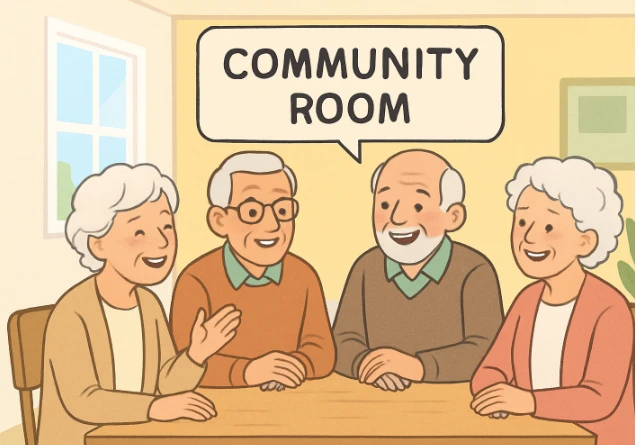
Maintaining strong social connections is crucial for seniors, offering a wide range of physical, mental, and emotional benefits that significantly enhance quality of life. Positive social ties do not simply provide company; they create a supportive foundation that fosters resilience, happiness, and overall well-being for older adults.
Also Read: Installing Cabinet Hardware Right Small Details Big Impact
Countless studies have shown that seniors who nurture friendships and actively participate in their communities experience less loneliness, improved health outcomes, and greater satisfaction with daily life. Social connectivity can range from simple phone calls with family to more involved activities like volunteering or joining clubs. Both forms offer unique value to seniors, providing emotional stability and a sense of purpose in later years. Whether by engaging with neighbors, participating in group activities, or considering vibrant retirement communities in Westchester, NY, finding meaningful relationships is an important aspect of healthy aging.
Mental Health Benefits
Regular interaction with friends, family, and peers can significantly improve seniors’ mental health. Social connections serve as a crucial buffer against loneliness, which, if left unaddressed, may lead to depression and other mood-related disorders. Seniors with strong social networks are more likely to feel accepted, secure, and emotionally supported, which promotes psychological balance and a positive outlook.
When seniors engage in conversations and group activities, they cultivate a sense of belonging and receive emotional validation. This connectedness is shown to reduce the risk of depression, decrease anxiety, and give individuals essential coping mechanisms for life’s inevitable challenges. Engaging in social interactions has also been associated with lower rates of mental health issues in older adults, as reported by the National Institute on Aging.
Cognitive Health Benefits
Staying socially active keeps the brain engaged and stimulated. Participating in conversations, games, or learning new skills within a group setting can enhance mental faculties such as memory, reasoning, and attention. Research suggests that seniors with regular social interactions are less likely to develop cognitive impairments and can potentially slow the progression of cognitive decline related to aging and dementia.
Activities that challenge the mind, alongside meaningful social engagement, promote neural plasticity, which is the brain’s ability to adapt and grow. This ongoing stimulation is key to maintaining cognitive sharpness and overall brain health, making it a vital part of aging well.
Physical Health Benefits
Maintaining an active social life can lead directly to better physical health outcomes for seniors. Physical activities, such as group exercise classes, walking clubs, or dance groups, are often more enjoyable and sustainable when encouraged by friends or community members. These opportunities help reduce blood pressure, improve cardiovascular fitness, and foster healthier habits.
Socially connected seniors are also more likely to adhere to medical recommendations, pursue preventive care, and recover more efficiently after illnesses or surgeries. Strong social support systems can even help lower the risk of chronic illnesses such as heart disease and diabetes, further illustrating the broad impact of community involvement on physical health.
Emotional Well-Being
Emotional well-being for seniors is closely tied to the relationships they maintain. Whether through friendship, family, or new acquaintances, feeling valued and understood contributes to overall happiness. Regular social contact boosts self-esteem and emotional resilience, offering not just comfort on difficult days, but shared joy and laughter during positive experiences.
Social connections also empower seniors to express themselves, voice concerns, and navigate the complexities of aging without feeling alone. Building supportive networks is therefore fundamental to emotional health and creates the security and optimism necessary for a fulfilling life.
Community Involvement
Community engagement offers seniors a meaningful way to stay active, build new friendships, and maintain a sense of purpose. Volunteering, joining clubs, participating in interest groups, or helping at local events enable older adults to contribute to community life while discovering new interests. These activities instill a sense of accomplishment and belonging, which are crucial for personal growth at any age.
Engagement in community life also helps bridge generational gaps, strengthens neighborhoods, and enriches society as a whole. For many seniors, participating in community activities fosters motivation, keeps daily life interesting, and fills retirement years with variety and purpose.
Overcoming Barriers to Social Connection
While the benefits of social connection are significant, some seniors face obstacles such as limited mobility, transportation difficulties, or uncertainty about how to get involved. Innovative solutions exist to reduce social isolation, including accessible transportation services, virtual gatherings via video calls, and community outreach programs. Local senior centers often organize regular events, classes, and outings to make socializing convenient and enjoyable for everyone. Leveraging technology can also help seniors maintain relationships with family and friends, regardless of distance.
Final Thoughts
Fostering strong social connections is vital for the health, happiness, and well-being of seniors. Whether it is developing new friendships, actively engaging in the community, or benefitting from supportive networks, every connection counts. By prioritizing social engagement, seniors can experience enhanced cognitive, physical, and emotional health and enjoy life to its fullest throughout the aging process.