
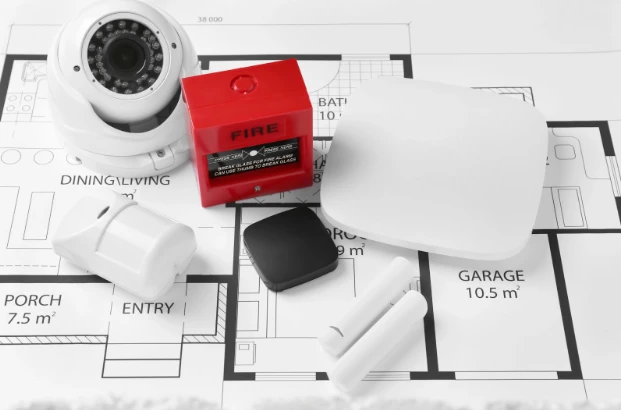
Easy Guide to Developing Your Home Fire Safety Strategy
Fire safety in the home isn’t just a critical consideration – it is a living responsibility we have towards ourselves, our families, and our properties. Each year, a substantial number of fire incidents are reported, with many of these being residential fires. These devastating circumstances often result in a tremendous property loss and, more heartbreakingly, lives. This guide has been constructed to aid homeowners in generating an optimal fire safety strategy focusing on understanding risks, personalising safety measures, regular maintenance and discipline, and fostering the much-needed fire safety education in every member of the house. These combined determinants will work together to create your efficient line of defence against fires.
Also Read: MultCloud Alternatives Worth Using in 2026
Understanding Fire Risks in Your Home
Home fires often spring from common and seemingly harmless practices within our homes, such as cooking, heating, and using electrical appliances. An unattended stove or a space heater positioned too near flammable materials can act as a fire initiation point. Kitchens, being the hub of electrical appliances and heat generation, are naturally high-risk areas where a small spark can escalate into a full-blown fire. Other potential danger zones include living rooms or bedrooms laden with multiple power outlets or devices operating simultaneously.
Moreover, fire dangers often fluctuate depending on the weather conditions, geographical settings, and the presence of unique factors within your home. Households based in bushfire-prone regions face an escalated fire risk during notably dry months. Likewise, a house utilising a fireplace or wood heater may encounter an intensified fire threat during the winter months. Households with smokers, children, or pets must also adapt and add extra precautions to their fire safety strategy, accounting for these added variables. Considering the possibility of major fire events, developing an essential wildfire recovery plan can help families respond more effectively to property damage, temporary displacement, and necessary safety evaluations following a fire.
Essential Components of a Home Fire Safety Plan
Your home fire safety plan should be a comprehensive plan that incorporates crucial elements to ensure everyone in your residence can evacuate safely in the event of a fire. A concrete plan should consider all occupants’ ages, physical abilities and naturally involve specially crafted escape routes, ensuring any mobility constraints are taken into account. You should employ a dedicated and easily accessible spot to display essential emergency contact numbers for immediate use.
Additional measures include designating clear, safe family meeting points outside your home to regroup and account for every member in the event of a fire breakout. Smoke detectors and fire alarms are indispensable members of your fire safety arsenal. Their purpose is not limited to property preservation but extends to securing lives by serving as an early warning system during fire incidents.
Installing and Maintaining Fire Safety Equipment
The machinery in your fire safety toolbox should serve specific purposes, each unique in preventing or combating fires. Basic fire safety tools include smoke detectors, fire extinguishers, and fire blankets—their location, installation, and maintenance are crucial in utilising their functionality fully. Smoke detectors should ideally be mounted on the ceiling, away from windows and vents, to prevent interference with smoke detection.
Fire extinguishers, on the other hand, should be within easy reach, preferably near the kitchen or garage, which house potential fire sources. To ensure alarms are functional, regularly scheduled maintenance is essential, including timely battery replacements and routine testing to confirm they are operating correctly. These basic tasks are manageable for many homeowners. However, securing a professional assessment can provide a more comprehensive and tailored approach, considering the unique layout and considerations within your home.
Education and Training for Family Members
Instilling fire safety awareness within your household goes beyond equipping your home with desirable gadgets. It’s also about familiarising each member, including children, with what to do in the face of danger. Explanations should be age-appropriate, using clear, simple language. Regular drills and simulations serve as practical applications of their theoretical knowledge, allowing them to apply learned principles in a safe, controlled environment.
Everyone should be clear about their responsibilities during an emergency, such as calling emergency services or ensuring all have evacuated. It is beneficial to remember that calmness and clear thinking during a fire are as crucial as a prompt response. Regular practice and discussions about potential fire scenarios can nurture this crucial trait within your family members.
Habits and Precautions for Long-term Safety
Establishing an environment that consistently minimises fire risks entails adopting daily habits that keep fire hazards under control. Guidelines include never leaving the stove unattended while cooking, maintaining a safe distance between heat sources and flammable objects, and not overloading power points. Routine checks of electrical cords, maintaining appliances, especially season-dependent ones like heaters and dryers, are crucial and shouldn’t be overlooked.
To keep ahead of the curve, immerse yourself in local and current updates about fire safety. Often, local fire departments offer a wealth of information that can enhance your fire safety knowledge and awareness.
Conclusion
Developing a home fire safety plan is only the first step—the challenge lies in its consistent updates and practice. This commitment not only saves your valuables but, more importantly, keeps your loved ones safe. Let fire safety discussions permeate your family talks, encourage questions, learnings, address concerns, and revisit your fire safety plan as a unit. Ultimately, the potency of your fire safety strategy doesn’t only lie in its development but in how it is put into practice—how the strategy is lived every day. Encourage engagement, sharing of insights, and continuous communal learning, as these create a community better prepared to face and overcome potential fire threats.