Excavation Safety: A Field Guide To Soil, Water, And Nearby Structures
Key Takeaways
- Excavation safety depends on soil behavior, water, depth, equipment, utilities, and nearby structures.
- Protective systems must be selected for actual site conditions, not simply reused from a previous job.
- Water, vibration, spoil piles, and vehicle loads can quickly change the stability of an excavation.
- Daily inspections, clear records, and stop-work authority help crews act before a warning sign becomes a failure.
- Planning for workers, equipment, neighbors, and the public should happen before the first cut is made.
Why Excavation Conditions Can Change So Quickly
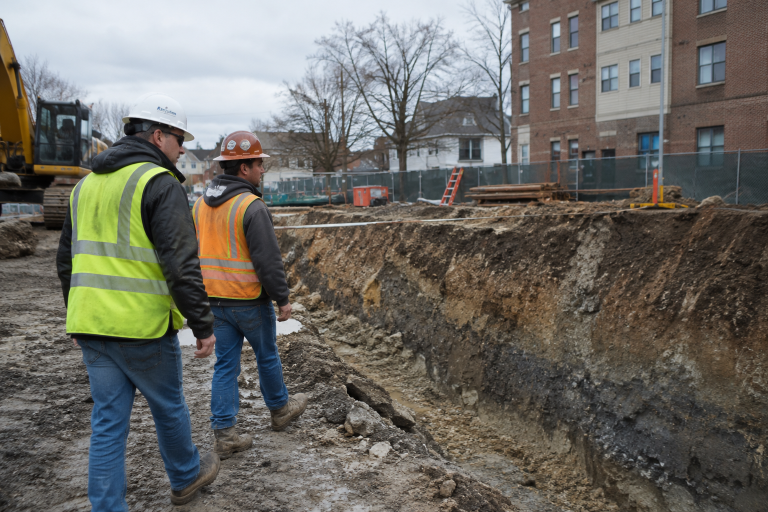
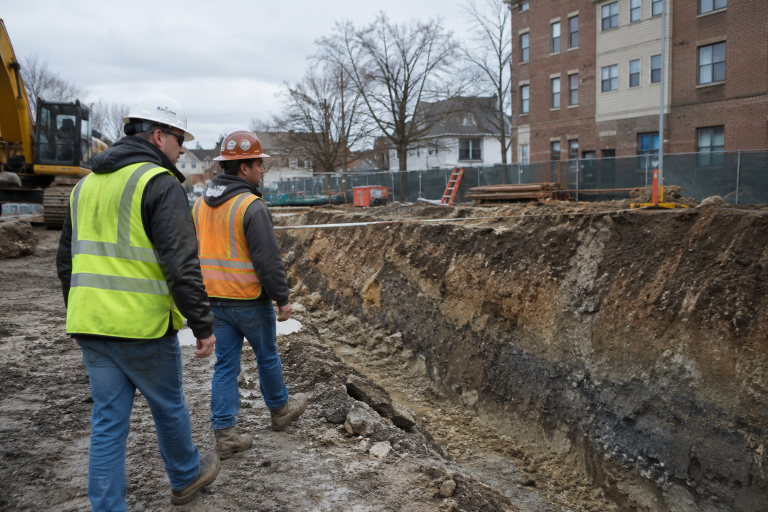
Below-grade work involves risks that may not be visible from the surface. Soil can appear firm until it is disturbed, saturated, vibrated, or loaded by equipment near the edge. A cut that appears stable early in the day can develop cracks, sloughing, or water seepage after rain, traffic, or a change in the excavation sequence.
Planning should bring together soil, groundwater, adjacent structures, utilities, and work-zone access into a single coordinated approach. For project teams considering engineered earth-retention options, visit this link to review how excavation support can be incorporated into a broader construction plan. The goal is not merely to dig safely on day one, but to manage changing conditions throughout the work.
Main Hazards Around an Excavation Site
Cave-ins are a primary concern, but they are not the only risk. Crews may also face falling soil or tools, equipment that slides toward an edge, utility strikes, poor access and exit routes, water accumulation, and exposure to public or vehicle traffic. These hazards can interact. For example, groundwater can soften soil while also making ladders, ramps, and walking surfaces more difficult to use safely.
Nearby property adds another layer of responsibility. Roads, sidewalks, foundations, retaining walls, and utility corridors may rely on soil that has been altered by excavation. Heavy trucks, cranes, stockpiles, and temporary site facilities can create surcharge loads that increase pressure on excavation walls. A practical plan identifies these loads before they are allowed near an unsupported edge.
Start With a Site and Soil Review
Good excavation planning begins with facts about the ground, rather than a preferred method or available piece of equipment. Review geotechnical information, prior site records, utility markings, and available drawings. Determine whether the site includes fill, loose granular soil, clay, rock, buried debris, or mixed conditions. Groundwater levels and likely seasonal changes should also be considered.
Walk the surrounding area before work starts. Note nearby buildings, pavement, retaining walls, drainage paths, utility structures, and locations where trucks may travel or where materials may be staged. Where excavation depth, movement potential, or nearby structures create added risk, qualified engineering and geotechnical input can help establish an appropriate support and monitoring plan.
Match the Protective System to the Site
There is no single protective system that fits every excavation. The available space, soil classification, cut depth, groundwater, planned duration, and adjacent loads all affect the choice. OSHA’s trenching and excavation construction guidance addresses hazard recognition, protective systems, inspections, and applicable construction standards.
Common Protective Approaches
- Sloping and benching: These methods can be useful where there is sufficient room to widen the cut and conditions support a stable configuration.
- Trench shields: Shields are intended to protect workers within a trench, but they do not automatically eliminate soil movement or protect adjacent property.
- Shoring: Hydraulic, timber, steel, or engineered shoring can support excavation walls where sloping is impractical.
- Soldier piles and lagging: This approach can provide flexible support for vertical cuts when site conditions and installation access allow it.
- Sheet piles, secant piles, and tangent piles: These systems may be considered where continuous retention, limited movement, or groundwater control is important.
- Bracing and tiebacks: Internal braces or tieback systems can resist lateral earth pressure on deeper, constrained excavations.
Control Groundwater Before It Controls the Job
Water is not just a cleanup issue. It can reduce soil strength, create unstable footing, increase lateral pressure, and carry fine soil particles away from the excavation. Review drainage routes, high-water conditions, streams, leaking utilities, and the possibility of runoff entering the work area.
Where water is expected, establish pumping, drainage, wellpoint, or cutoff measures as appropriate to the design. Keep stormwater away from the edge, provide a backup plan for pump failure, and inspect after significant rain or rapid thawing. Cloudy discharge, muddy seepage, boils, piping, and sudden changes in flow should be treated as conditions requiring prompt review.
Protect Nearby Buildings, Roads, and Utilities
Before digging, document the existing condition of nearby structures and pavement. Photographs, written observations, and preconstruction surveys can distinguish pre-existing cracks or settlement from later changes. When conditions warrant, survey points, crack gauges, settlement markers, inclinometers, or vibration monitoring can help identify movement early.
Monitoring only works when readings lead to action. The project should define response thresholds in advance, such as increasing inspection frequency, reducing equipment loads, modifying the sequence, consulting the engineer, evacuating an area, or stopping work. Utility owners should be contacted before excavation, and field crews should never assume the marked location or depth is exact without following required verification practices.
Build a Daily Inspection Routine
A preconstruction review is essential, but it is not enough. Site conditions change as excavation progresses. A competent person should have the knowledge, authority, and access needed to identify hazards and require corrective action before workers enter or continue working in the excavation.
Daily Inspection Checklist
- Check walls, protective systems, ladders, ramps, stairs, and other access points.
- Look for cracks, bulges, loose material, sloughing soil, seepage, settlement, and damage to braces or shields.
- Confirm that spoil piles, trucks, excavators, and stored materials remain clear of unsupported edges.
- Review the effects of rain, freezing and thawing, vibration, changing traffic, or altered work sequences.
- Verify that workers understand entry, exit, communication, and emergency procedures.
- Record findings and correct unsafe conditions before work resumes.
Plan for People, Equipment, and the Public
Separate workers from moving equipment whenever practical. Use barriers, signs, lighting, spotters, and traffic controls to manage blind spots and public exposure. Keep unauthorized people out of the work zone, provide reliable access and egress, and discuss rescue arrangements before an emergency occurs.
Toolbox talks remain useful when they address actual conditions rather than generic reminders. The 2026 Trench Safety Stand Down held from June 15 through June 17 offered a timely example of using focused discussions to reinforce trenching hazards and protective-system decisions.
Warning Signs That Should Stop Work
Work should pause when there are new edge cracks, bulging or falling soil, unexpected water flow, muddy seepage, damaged shoring, movement in a shield or brace, settlement near a building or road, unmarked utilities, or equipment operating too close to an unsupported edge. Schedule pressure is never a sound reason to ignore a changing condition.
Conclusion: Treat the Ground as a Changing System
Safe excavation work is not created by one drawing, product, or inspection. It requires sound engineering, disciplined field observation, clear communication, and the willingness to stop when conditions change. By considering soil, water, nearby structures, equipment loads, utilities, and worker access together, project teams can make better decisions before small warning signs become major failures.