
How To Choose And Use Home Fragrance For Mood, Memory, And Daily Routines In 2026
Key Takeaways
- Home fragrance can support the atmosphere of a room, but preferences and sensitivities vary widely.
- Familiar scents can feel meaningful because they often connect to personal memories, places, and routines.
- A light, intentional scent plan is usually more comfortable than using a strong fragrance throughout the home.
- Different fragrance formats work better for different room sizes, schedules, and safety needs.
- Good ventilation, careful placement, and attention to household members matter as much as the fragrance itself.
Home fragrance can add a finishing layer to a space, much like lighting, music, color, and texture. A bright citrus note can make a kitchen feel freshly reset, while a soft, woody scent can make a reading corner feel quieter and more settled. For people who enjoy hands-on projects, a DIY Candle Making Kit can also be a practical way to experiment with scent preferences at home. The best approach is not to make every room smell the same or too strong. Instead, use fragrance with a purpose: welcoming guests, marking the start of a workday, calming an evening routine, or simply making a clean room feel more complete. Scent should complement regular cleaning and fresh air, not cover persistent odors or replace healthy routines.
Why Scent Belongs In A Home Routine
A home can feel fresh, warm, lively, or restful before anyone says a word. Fragrance helps create that first impression because it is part of the overall sensory environment. A little lemon, bergamot, or herbal scent may suit a bright morning, while cedar, sandalwood, vanilla, or amber can feel fitting for a slower evening. The goal is to support the room’s use, not overwhelm it.
The Link Between Scent And Memory
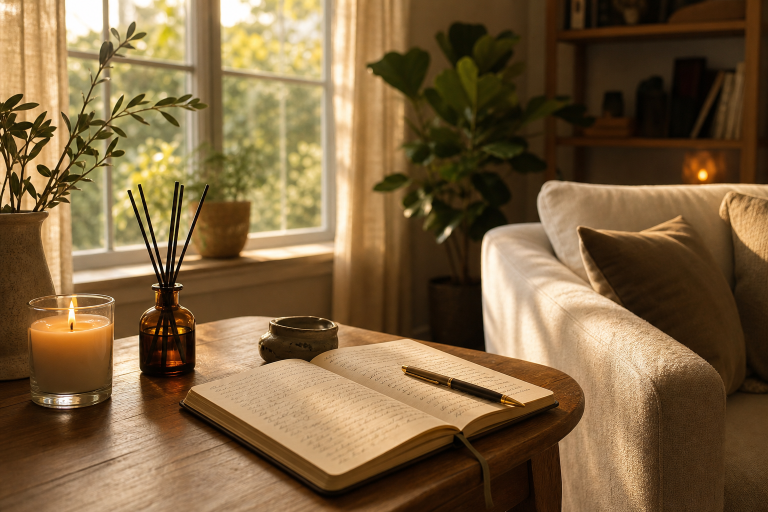
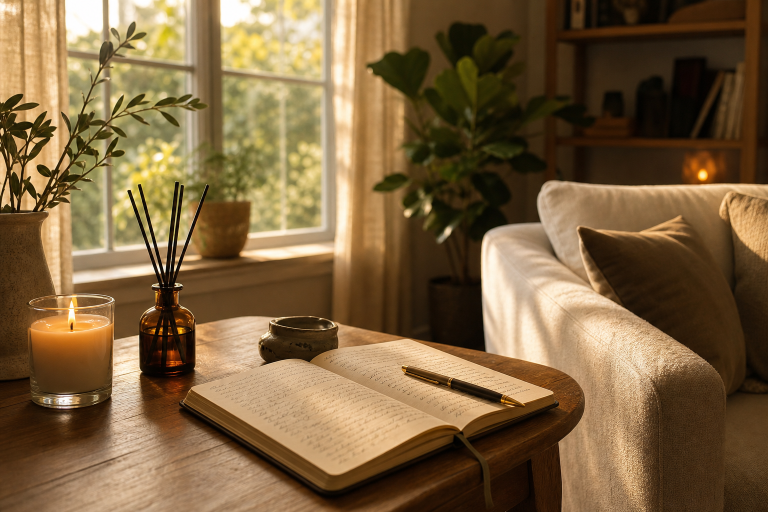
A certain smell can bring back a holiday meal, a childhood home, a favorite person, or a specific season in seconds. Odor memories are highly personal, which is why a fragrance that feels comforting to one person may feel unpleasant or distracting to another. Recent odor-memory research offers useful context for the relationship between recognizing scents and linking them to personal experiences. Rather than chasing the most expensive candle or diffuser, pay attention to the scents that genuinely feel like yours. Keep a short scent journal for a week or two. Write down the fragrance notes, where you used them, what time of day they worked best, and the memories or moods they brought up.
Match Fragrance Notes To The Feeling Of A Room
Fragrance families can offer a useful starting point, although personal response should always guide the final choice.
- Citrus: Clean and lively for kitchens, entryways, and morning routines.
- Herbal: Fresh and understated for bathrooms, study areas, and quiet spaces.
- Woody: Warm and grounded for living rooms, reading corners, and autumn gatherings.
- Floral: Soft and classic for bedrooms, dressing areas, and spring events.
- Gourmand: Cozy and inviting for dining spaces or casual social evenings.
- Marine or airy: Crisp choices for laundry areas, guest rooms, and summer use.
Create A Simple Scent Map For The Home
Think of fragrance as a map rather than a single scent setting. Start by listing your main rooms and their purpose. Then choose one fragrance family for each zone, keeping connected spaces reasonably compatible. For example, an entryway and living room might share citrus and soft woods, while a bedroom uses a quieter floral or herbal scent.
- Identify how each room is used.
- Choose one scent family per area.
- Use a lighter fragrance in smaller rooms.
- Avoid competing scents in adjoining spaces.
- Test the arrangement for several days before adding more products.
Use Scent To Mark Daily Transitions
Repeating a scent during a familiar routine can help create a simple mental cue. Use a fresh scent when opening the kitchen or beginning the day. Keep work areas low-scent or neutral when concentration matters. Light a warm candle before dinner or when guests arrive, then switch to a gentle, familiar scent as the evening winds down. Consistency is more useful than intensity. Pick The Right Fragrance Format
- Candles: Best for short, attended moments and a warm visual glow.
- Reed diffusers: Useful for steady fragrance without an open flame.
- Room sprays: Helpful for quick, controlled refreshes.
- Linen sprays: Suitable for bedding or fabrics when the label specifically allows it.
- Wax melts: Flexible for those who prefer a warmer-based option.
- Personal fragrance: Lets you enjoy a favorite scent without changing the whole room.
How Much Fragrance Is Enough?
Start with the lowest practical amount and let it settle before adding more. Scent fatigue can make you stop noticing a fragrance even though visitors still smell it clearly. Open windows when weather and outdoor air conditions allow, avoid mixing several strong products in a small space, and ask household members for honest feedback. If a fragrance is obvious from across the room, it may be too strong.
Scent, Guest Impressions, And Shared Spaces
Shared spaces usually benefit from clean, light, broadly appealing scents rather than intense perfume-like blends. An entryway can use a subtle citrus or airy note, bathrooms can stay fresh with gentle herbal scents, and guest rooms are often best kept nearly fragrance-free. Reporting on home scent psychology also highlights how fragrance can shape emotional associations and first impressions.
Safety And Comfort Rules To Follow
- Read every product label before using it.
- Place candles on stable, heat-safe surfaces.
- Never leave an open flame unattended.
- Keep fragrance products away from children and pets.
- Use extra caution around asthma, migraines, allergies, and scent sensitivity.
- Stop using a product that causes coughing, headache, nausea, or skin irritation.
- Use products only as intended for air, fabric, skin, or a specific device.
Common Questions About Home Fragrance
Can Scent Really Change A Person’s Mood?
Scent may influence how a person feels through personal associations and the wider setting, but the effect is not identical for everyone.
What Is The Best Scent For Sleep?
Choose a soft, familiar fragrance in moderation. No fragrance should be treated as a cure for insomnia or a replacement for healthy sleep habits.
How Many Scents Should A Home Have?
Begin with two or three compatible scent families. Add variety only after the main rooms feel balanced.
A Seven-Day Scent Test
- Notice rooms that feel stale, plain, or overly scented.
- Choose one fragrance family for the main living area.
- Test a lighter option in a bedroom or bathroom.
- Remove one competing fragrance product.
- Ask household members for feedback.
- Adjust timing, placement, or intensity.
- Keep only scents that feel useful and pleasant.
Final Recommendations
Choose home fragrance for a clear purpose, let personal memories guide the selection, and keep intensity low enough for shared comfort. Review your scent map as seasons, household needs, and routines change. The most effective fragrance plan is simple, personal, and easy to live with every day. Rotating fragrances throughout the year can keep your home feeling fresh while matching the mood of each season. Test new scents gradually and consider how they interact with cooking, pets, and shared living spaces. With thoughtful placement and moderation, home fragrances can create a welcoming atmosphere that enhances comfort, supports relaxation, and leaves a lasting impression without becoming overwhelming.