How To Plan An Outdoor Fence And Deck Project For Colorado’s Four-Season Weather
Key Takeaways
- Plan the project around your property’s layout, drainage, and climate.
- Prioritize function before selecting materials and finishes.
- Verify permits, property lines, and utility locations before construction.
- Choose durable materials suited to Colorado’s weather and maintenance needs.
- Work with an experienced contractor to ensure lasting performance and value.
A Colorado fence or deck project has to do more than look good on installation day. It needs to handle intense sun, sudden storms, snow, freeze-thaw cycles, wind, changing soil moisture, and the way your household actually uses the yard. Starting with the site rather than a catalog photo helps prevent drainage problems, premature wear, access issues, and costly changes after work begins. Homeowners comparing fence companies in Littleton, CO, can use Colorado Fence & Deck as a relevant local example. The family-owned, veteran-operated Denver metro company provides custom fence installation, fence repair and maintenance, and personalized deck-building services for homeowners who need designs suited to their property layout, privacy goals, and outdoor-living plans.
Start With the Property, Not the Product
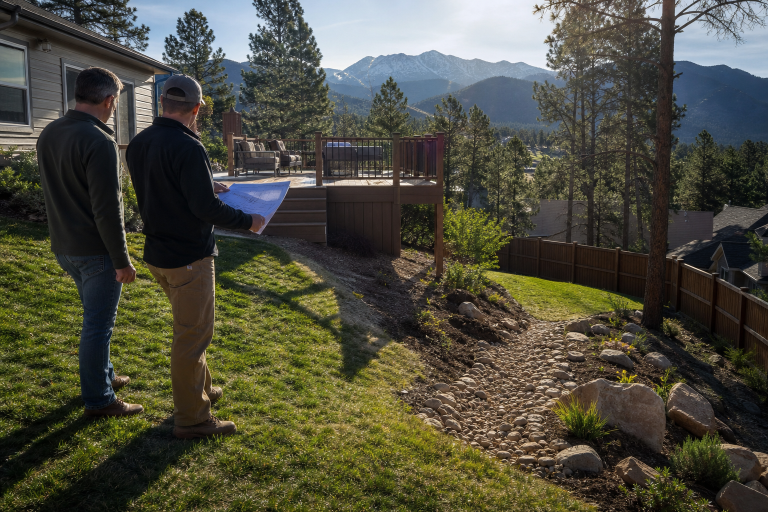
A design that works well in one Denver metro neighborhood may need meaningful changes in another. Before selecting wood, composite, metal, or vinyl, walk the property at different times of day. Note sun exposure, wind direction, slope, access routes, mature trees, snow accumulation, and places where water lingers after rainfall or snowmelt. Pay special attention to low spots, downspout discharge, and the grade around the home. Repeated moisture can shorten the service life of wood, fasteners, posts, and deck supports. Planning for water movement early is usually easier than correcting a wet, shifting, or muddy area after the fence and deck are in place.
Define What the Project Must Accomplish
Style and color matter, but function should come first. Write down the primary purpose of the project, then rank any secondary goals. Common priorities include:
- Creating privacy from neighboring homes, streets, or alleys.
- Building a safer enclosed area for children or pets.
- Improving access to a garden, side yard, or outdoor gathering space.
- Clarifying property boundaries and improving curb appeal.
- Making room for dining, grilling, relaxing, or entertaining.
For example, a homeowner seeking privacy may need a taller solid fence, carefully positioned screening, or an angled layout. Someone who needs to contain a dog may prioritize a secure gate, appropriate spacing, and a layout that preserves views and airflow.
Review Sun, Wind, Water, and Snow Patterns
Observe the yard before finalizing the layout. Mark wet zones after storms, areas where snow drifts against gates or stairs, and open sections exposed to strong wind. Also consider whether tree roots could interfere with post locations or whether future tree growth will create heavy shade and falling debris. Deck stairs, gates, and narrow side-yard paths deserve extra attention. A gate that opens easily in July may become difficult to use when snow piles against it in winter. Likewise, a sunny deck can be inviting in spring and fall but uncomfortable during the hottest summer afternoons without shade, screening, or a revised orientation.
Choose Materials That Match the Site
Wood Fencing and Decking
Wood offers a natural appearance and can be painted or stained in many styles. It also calls for routine inspection, especially when strong sun, changing moisture levels, and ground contact can affect surfaces and posts. Plan for cleaning, sealing or staining, and prompt repair of loose boards or hardware.
Composite Decking
Composite decking can reduce the need for routine staining and provide a consistent appearance. However, some products can become hot in direct sun, and proper framing, spacing, and manufacturer-approved installation details remain essential. Compare color, texture, heat exposure, warranty terms, and long-term cleaning needs.
Metal, Vinyl, and Mixed-Material Fencing
Metal, vinyl, and mixed-material fences can support modern or lower-maintenance designs. Their performance still depends on sound post placement, appropriate spacing, soil conditions, and hardware selection. Compare full ownership costs, including installation, repairs, cleaning, and expected maintenance, rather than focusing solely on the initial material price.
Plan for Frost, Snow, and Structural Loads
A deck is a structural system, not just a platform. Footings, framing, connections, stairs, and railings need to be planned for the site and local requirements. Frost depth, snow loads, wind exposure, furniture weight, and the number of people expected to use the space can all affect the design. Local requirements vary by jurisdiction and site. Keep snow from collecting around gates, stair landings, and poorly drained fence lines.
Check Rules Before Construction Starts
Confirm requirements before materials arrive or holes are dug. A simple pre-construction checklist should include:
- Verify property lines, setbacks, easements, and drainage areas.
- Contact the city or county about permits, inspections, and required plans.
- Review HOA or architectural-committee restrictions.
- Locate underground utilities before excavation.
- Save approvals, drawings, product specifications, and contractor documents.
Utility locating is a safety step, not an afterthought. Colorado homeowners can use Colorado 811 to request public utility locates before digging. Private lines, such as some landscape lighting, irrigation, or propane connections, may require separate investigation.
Design the Fence and Deck as One Outdoor System
When both features are planned together, the finished yard feels more intentional and is easier to use. Align fence lines with deck stairs and entries, leave clearance for gates and maintenance, and coordinate stains, hardware, railings, and privacy features. Avoid a fence placement that blocks drainage from the deck area or makes future repairs difficult. A deck may feel private during the day but become exposed when nearby homes use upper windows or balconies. A partial-height screen, slatted panel, planting plan, or adjusted fence angle can improve privacy while maintaining useful light and air movement.
Build a Realistic Budget and Schedule
Include more than boards and posts in the budget. Account for design, permits, demolition, removal, excavation, footings, drainage work, gates, stairs, railings, lighting, finishes, cleanup, and future maintenance. Set aside a contingency for buried rock, roots, hidden utilities, slopes, or poor soil that may not be visible during an initial estimate. Late winter is a good time for planning and permit preparation. Spring and summer are common installation periods, though storms and demand can affect schedules. Fall can be ideal for repairs and surface care, while winter may be better for design decisions when frozen ground and weather limit construction.
Ask Contractors Better Questions
- Who handles permits and inspections?
- How will the design address drainage, wind, snow, and frost?
- Which materials, connectors, fasteners, and finishes are included?
- How will utilities, property lines, landscaping, and cleanup be handled?
- What is included in the written estimate, and how are change orders managed?
- What labor and material warranties apply?
Common Questions
Does every deck need a permit?
Not necessarily. Rules can depend on size, height, attachment to the home, electrical work, and local code. Confirm requirements with the local building department before starting.
How often should a wood fence or deck be maintained?
Inspect it at least annually and after severe weather. Check boards, posts, fasteners, gates, stairs, railings, drainage, and the condition of any protective finish.
Should a deck be built before a fence?
The order depends on access, grading, demolition, and the final layout. Even when construction happens in stages, plan both projects together.
Final Takeaway
A successful Colorado fence and deck project begins with careful site planning. When weather, drainage, permits, materials, maintenance, and everyday use are considered before construction, homeowners are better positioned to control costs, compare contractors fairly, and create an outdoor space that performs reliably year-round. Taking the time to evaluate property conditions, define project goals, and select durable materials can also help reduce future repairs and maintenance costs. Working with an experienced contractor ensures that local building requirements, structural considerations, and long-term functionality are addressed from the start. A well-planned project not only enhances curb appeal and outdoor enjoyment but also adds lasting value, safety, and practicality to the home.