Preventive Maintenance That Extends Your AC Life
Regular care for your air conditioner doesn’t just improve daily comfort—it’s an investment in the long-term health of your entire cooling system. Following a daily routine maintenance plan can help you avoid unexpected breakdowns and ensure your equipment operates efficiently. Whether you own a newer system or one that has endured several Florida summers, prioritizing AC repair and ongoing maintenance can save you both time and money.
Also Read: Understanding Role of Concrete Contractors in Construction Projects
Most homeowners don’t realize how a few simple steps can extend their air conditioner’s lifespan while lowering their energy bills. From filter changes to professional inspections, adequate upkeep is the cornerstone of reliability and efficiency. Ignoring proper maintenance increases the risk of costly repairs and shortens the life of your unit—a concern that can be prevented with a proactive, preventative approach. According to the U.S. Department of Energy, regular AC maintenance is one of the most effective ways to improve efficiency and maximize comfort for years to come.
Understanding the Importance of Regular Maintenance
Air conditioners are intricate machines with multiple moving parts. Over time, dust, humidity, and normal wear can degrade the system, causing it to consume more energy and reduce its lifespan. Even newer energy-efficient models require regular checks to perform reliably. Regular service protects your equipment and ultimately reduces unexpected expenses and downtime.
Annual tune-ups by a qualified technician help maintain the manufacturer’s warranty and keep each component—like the evaporator, condenser, and blower assembly—in optimal working order. Maintenance is not just about fixing problems, but also about preventing them before they escalate into larger, costlier issues that can disrupt your indoor comfort.
Essential Maintenance Tasks
Consistent attention to a few key tasks helps keep your air conditioner in optimal shape year-round. These should be part of every homeowner’s maintenance checklist:
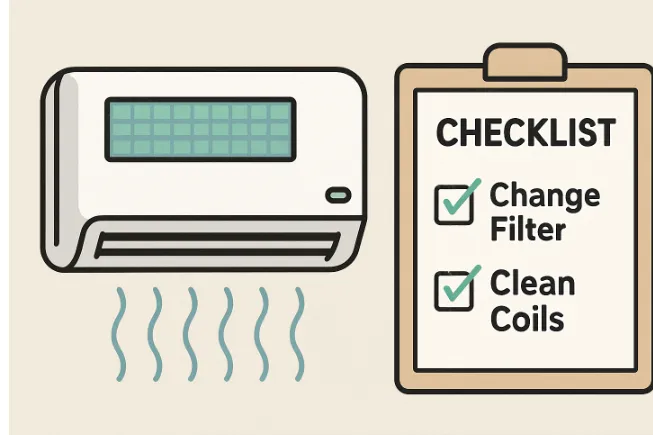
- Filter Replacement: Changing or cleaning air filters every 1 to 3 months—especially during high-use times—not only improves air quality, but also helps your system “breathe,” preventing strain and reducing energy consumption.
- Coil Cleaning: Even a thin layer of dust or grime on evaporator or condenser coils can restrict heat transfer, weakening your air conditioner’s cooling ability. Cleaning the coils regularly helps keep your system running efficiently.
- Drain Line Maintenance: A blocked condensate drain line can lead to water leaks, increase indoor humidity, and promote the growth of mold and mildew. Periodically inspecting and flushing these lines helps prevent water damage and maintains healthy indoor air quality.
Professional Inspections: A Worthwhile Investment
While filter changes and basic cleaning can be managed at home, a thorough professional inspection should be scheduled annually to ensure optimal performance. HVAC technicians use specialized gauges and tools to assess refrigerant pressures, inspect electrical wiring, and calibrate system controls—tasks that ensure trouble-free operation during peak summer months. Many professionals can also identify signs of wear on critical components and fix small problems before they turn into major malfunctions. According to Consumer Reports, scheduling professional maintenance before the peak season ensures prompt service and optimal system performance.
Seasonal Considerations
The timing of your maintenance can influence your comfort and protection against sudden breakdowns. Spring is the ideal time to prepare your air conditioner for the demands of a hot summer. Completing a check-up before heatwaves start ensures your system is fully functional and minimizes wait times for appointments. Autumn is also a good period to assess wear at the end of the cooling season, addressing minor problems before they develop over winter.
Energy Efficiency and Cost Savings
Well-maintained air conditioners use significantly less energy, meaning lower monthly electricity bills and reduced strain on your home’s electrical grid. The U.S. Department of Energy notes that homeowners can improve their system efficiency by up to 30% just by keeping it clean and well-maintained. Proper care not only saves you money upfront but also delays costly upgrades or replacements over time. Simple practices, such as sealing leaky ducts and stopping drafts, can further enhance system performance and reduce costs.
Extending Your Unit’s Lifespan
Research shows that regularly serviced AC units can last 20–50% longer than those that are neglected. Fewer repairs, higher performance, and increased reliability mean that your investment pays off year after year. Homeowners who follow a consistent maintenance schedule can expect their air conditioner to perform well for 15 years or more, delaying replacement costs and ensuring greater home comfort across all seasons.
Conclusion
Prioritizing preventative maintenance for your air conditioning system is a smart strategy that delivers long-term benefits. Routine tasks such as changing filters, scheduling seasonal tune-ups, and arranging annual professional inspections help ensure optimal performance and efficiency. Regular upkeep not only keeps your home comfortable during peak heat but also reduces energy consumption, lowering utility costs. Moreover, well-maintained units are less prone to breakdowns, extending their overall lifespan and minimizing the need for costly emergency repairs. By investing in consistent care, homeowners gain peace of mind, reliable cooling, and the confidence that their system will perform efficiently when it’s needed most.