Should You Renovate Before Selling Your Home? Guide
Evaluating Your Home’s Current Condition
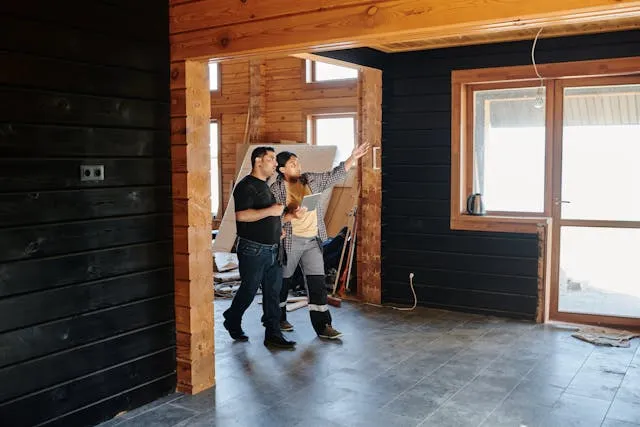
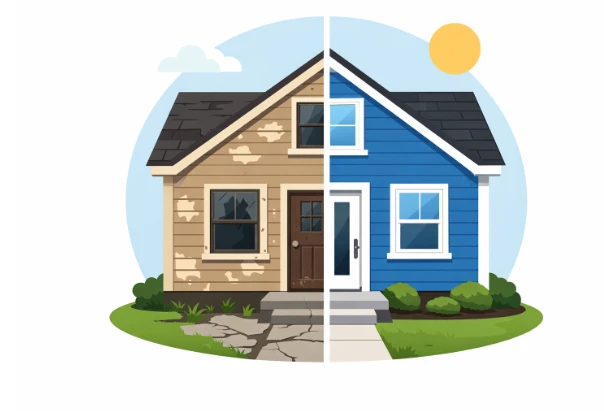
Before listing your property, it is crucial to honestly evaluate your home’s current state. Start by identifying minor cosmetic issues such as chipped paint, outdated hardware, or worn carpets. These improvements may require only a modest investment of time and money yet make a big difference in first impressions. For more severe problems like roofing concerns or foundation cracks, a professional inspection may be necessary to determine the extent of repairs.
Also Read: Flexible LED Strip Systems and Power Solutions for Needs
Taking inventory of both small and significant concerns gives you a clear sense of your priorities. If you are looking for tailored guidance or a partner for your home renovation project, learn more at https://bludoor.com/.
Understanding Market Expectations
Every real estate market is different, and local trends should inform your decision to renovate. In highly competitive neighborhoods, buyers are often drawn to homes that appear move-in ready and up to date. In these cases, presenting a freshly updated home can mean faster offers and a higher sale price. Alternatively, in areas where buyers intentionally seek out fixer-uppers, larger renovations may not generate a significant return and might even reduce your total profit due to over-improving for the area.
Researching neighborhood sales, visiting open houses, and talking to local real estate agents can help you understand what buyers expect and are willing to pay for in your community.
Cost vs. Return on Investment
A common misconception among sellers is that all renovations automatically translate into greater property value. In reality, certain projects yield much higher returns than others. According to a report by Opendoor, tasks such as repainting interiors and performing minor kitchen remodels tend to offer some of the best returns on investment. Projects that are too extensive, like major kitchen or bathroom overhauls, can cost more to execute than what you may recoup through the final sale price.
Carefully calculating potential gains versus expenses is a vital step for any homeowner considering renovations before selling. Nationwide data on remodeling value can also be found from respected sources such as Remodeling Magazine’s annual Cost vs. Value report.
Prioritizing High-Impact Upgrades
Focus your improvement efforts where they will have the greatest positive impact on a buyer’s first impression. Small additions such as replacing a front door, updating light fixtures, or improving landscaping can create significant visual appeal without draining your resources. Other worthwhile investments include upgrading kitchen appliances, repainting walls in neutral colors, or modernizing bathroom fixtures.
According to Kiplinger, addressing curb appeal, boosting entryway lighting, and performing minor repairs are among the most effective ways to shorten the time a house spends on the market. Aim to make changes that serve both functional and aesthetic purposes, attracting as many potential buyers as possible.
Considering Timing and Market Conditions
The broader real estate environment plays a significant role in shaping your renovation approach. In a seller’s market, where inventory is low and buyer demand is high, homes may sell quickly and at favorable prices without extensive updates. Conversely, in a buyer’s market, sellers may need to make strategic upgrades to attract attention and compete with other listings.
Keeping a close watch on current trends, mortgage rates, and neighborhood sales activity ensures that your renovation decisions align with market realities. This approach helps maximize both your investment and the final sale price.
Consulting with Real Estate Professionals
One of the most effective ways to make informed decisions about pre-sale renovations is to engage with experienced real estate agents. Local agents have deep knowledge of current buyer preferences and market trends. They can recommend upgrades most likely to increase appeal and resale value, saving you from unnecessary or overly ambitious projects.
Professionals can also connect you with trusted contractors, stagers, and home inspectors, streamlining the process from start to finish and ensuring you achieve the best outcome with the least stress.
Weighing the Pros and Cons
Renovating before listing your home provides clear benefits: greater marketability, broader appeal, and potential for a higher selling price. However, it is essential to balance these advantages against possible drawbacks. These include upfront renovation costs, extended time to list your property, and the risk of not recuperating your investment if the market shifts or buyer preferences change.
An honest assessment of your financial health, schedule flexibility, and personal stress tolerance will help you choose the best path forward.
Making an Informed Decision
Deciding whether to invest in renovations before selling requires you to weigh several variables. By thoughtfully assessing your home’s current state, researching your local market, and seeking guidance from knowledgeable real estate professionals, you set yourself up for a successful sale process. Thoughtful, high-impact improvements, with a careful eye on budget and potential return, will help you achieve your goals while minimizing unnecessary costs.
The process of selling your home may feel complex, but with careful planning and the right support, you can make decisions that serve your best interests now and in the future.