XyliMelts: Relief for Dry Mouth & Better Sleep
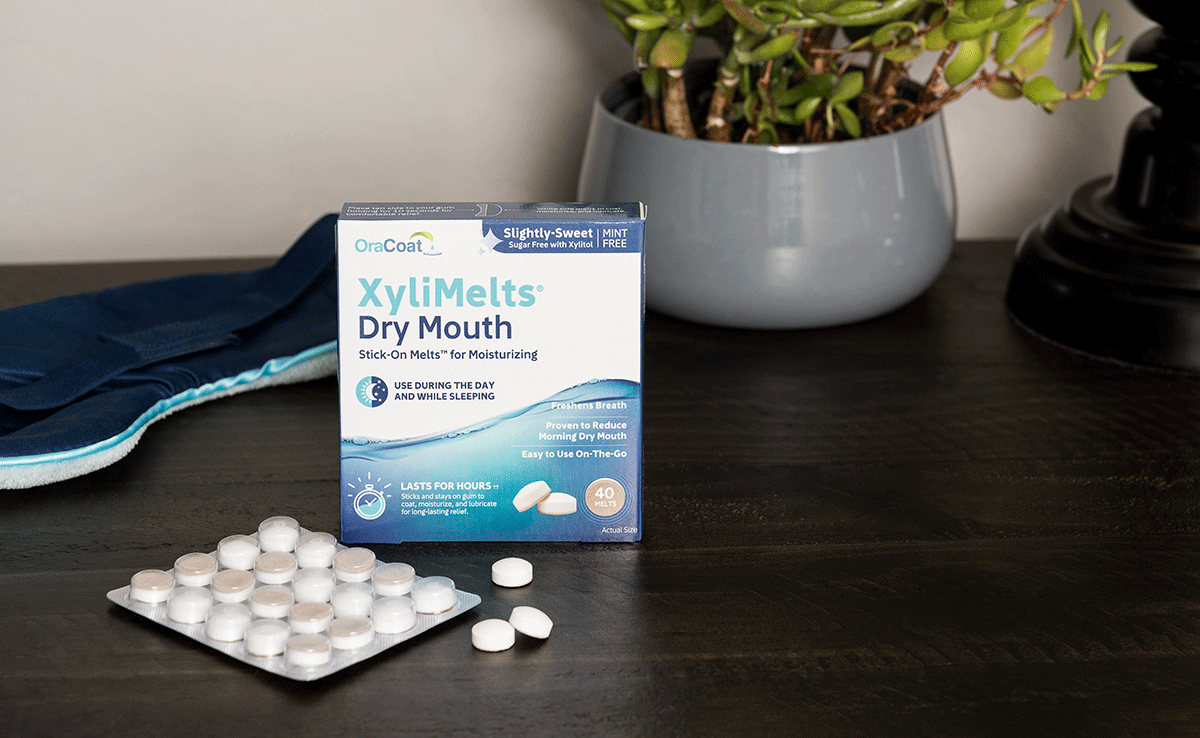
Dry mouth at night is genuinely miserable. You wake up with your tongue stuck to the roof of your mouth, your throat feels like sandpaper, and sometimes there’s this weird taste that won’t go away. XyliMelts for dry mouth are these adhesive discs that stick to your gums and slowly release xylitol and lubricating ingredients throughout the night. Unlike lozenges that you suck on for ten minutes, these things last 4-8 hours depending on how much you move your mouth while sleeping. The science behind them is pretty solid, and they work differently than just drinking water before bed, which honestly doesn’t help much because saliva production is what actually protects your teeth and soft tissues.
The Xylitol Mechanism and Bacterial Inhibition
Xylitol isn’t just a sweetener, it actually messes with bacterial metabolism. Streptococcus mutans, the main cavity-causing bacteria, can’t process xylitol properly. They absorb it thinking it’s glucose, waste energy trying to break it down, and then basically starve because they can’t complete their metabolic cycle. Studies show regular xylitol exposure can reduce S. mutans populations by 27-75% depending on dosage and frequency. XyliMelts release approximately 500-550mg of xylitol per disc over several hours, which keeps your oral pH more neutral. During sleep, your mouth’s pH normally drops because saliva flow decreases by about 90%, creating an acidic environment where bacteria thrive and enamel demineralizes. The sustained release maintains a protective effect that sipping water just can’t match.
Adhesive Technology and Overnight Duration
The disc adhesion system uses a mild cellulose-based mucoadhesive that sticks to your gums or cheek without causing irritation. I was skeptical about this at first because I figured it would either fall off or feel annoying, but the technology is actually pretty clever. The adhesive activates with moisture, creating a bond strong enough to stay put through normal mouth movements during sleep but weak enough that you can remove it easily in the morning. Most people place them on their gums next to molars where there’s less movement. The discs slowly dissolve from the outside in, maintaining consistent xylitol and lubricant delivery. If you’re a heavy mouth breather, you might only get 4-5 hours, but nose breathers can get the full 8 hours from a single disc.
Saliva Stimulation vs Artificial Lubrication
Here’s where it gets interesting. XyliMelts don’t actually stimulate saliva production like sugar-free gum does. Instead, they provide artificial lubrication while xylitol does its antibacterial work. The discs contain hydroxypropyl cellulose and acacia gum, which create a slippery coating that mimics some saliva functions without being actual saliva. For people with severe xerostomia from medications like antidepressants, antihistamines, or chemotherapy drugs, their salivary glands might not respond to stimulation anyway. Research indicates that about 30% of adults over 65 experience chronic dry mouth, often from taking multiple medications. These folks need lubrication more than stimulation because their glands are functionally impaired.
Long-Term Cavity Prevention Results
The cavity prevention aspect is probably the most valuable benefit but takes months to show up. Regular nighttime use has been associated with reduced caries incidence in several clinical trials, though the reduction varies from 10-60% depending on other factors like diet and oral hygiene. Xylitol works cumulatively, it’s not an instant fix. You need consistent exposure over weeks for the bacterial population changes to stabilize. Some dentists I know recommend XyliMelts specifically for patients with high cavity rates who already brush and floss properly, because it addresses the nighttime vulnerability window when your mouth has basically no natural defenses.