Your Roofer Said Your Roof Has 5 Years Left. Should You Panic?
You’ve just had a survey. The roofer climbed up there, inspected your tiles, checked the flashing, and delivered the verdict: “Your roof’s got about five years left before you’ll need replacing it.” Your stomach drops. That’s expensive. That’s stressful. That’s something you’d rather not think about right now.
But here’s the thing: that five-year estimate might be spot-on. Or it might be wildly pessimistic. Or it could be optimistic. You have no idea which, because roofers speak in predictions, and predictions are notoriously unreliable when it comes to the actual lifespan of your roof.
Understanding what that estimate really means and whether you should actually panic, requires unpacking some uncomfortable truths about how roofing works and why roofers make the predictions they do.
What Does “5 Years Left” Actually Mean?
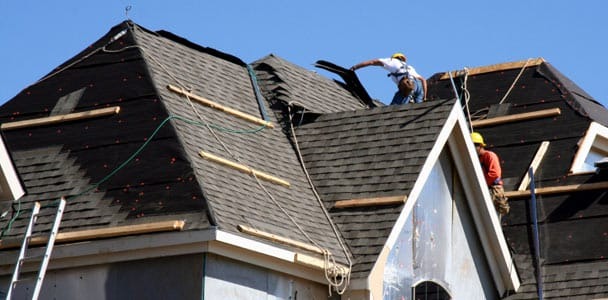
When a roofer says your roof has five years left, they’re not reading from a crystal ball. They’re making an educated assessment based on what they can see today. They’re looking at tile condition, mortar deterioration, flashing integrity, ventilation, and moss or lichen growth. They’re estimating how long these components will continue functioning before failure becomes likely.
The key word there is “likely.” Not “certain.” Not “guaranteed.” Likely.
Your roof might fail in five years. Or it might fail in three. Or it might last another eight. The estimate acknowledges that future conditions will affect how quickly deterioration accelerates. But here’s what most roofers won’t tell you: they’re trained to be conservative with their predictions. They don’t want angry customers calling them in two years claiming they were misled. So they often under-estimate lifespan to protect themselves.
Consider what happens if your roofer says “Your roof will probably last another 12 years” and then it fails in year 10. You’ll blame them. You might pursue a complaint. If they said “Five to seven years” instead, and it lasts 10, you’re delighted and they’re heroes.
This creates a built-in bias toward pessimism in roof assessments.
The Variables That Mess With Predictions
The uncomfortable truth is that roof lifespan varies wildly based on factors that are difficult to predict with accuracy. Here’s what actually determines whether your roof lasts 5 years or 15 years:
Weather patterns you can’t control. Norfolk gets battered by Atlantic storms more than most of England. Particularly severe winters with freeze-thaw cycles accelerate tile deterioration. Conversely, a mild decade with less extreme weather means your roof ages slower. A roofer inspecting your roof today has no idea whether the next five years will bring three severe storms or zero. Yet that’s a massive determinant of how quickly deterioration happens.
Maintenance actions you take. If you clear moss and lichen from your roof annually, it ages differently than if you ignore it for ten years. Moss retains moisture. It keeps tiles constantly damp. Tiles degrade faster when perpetually wet. A homeowner who invests £150 annually in moss clearing might extend their roof’s life by 3-5 years. A homeowner who doesn’t might lose 3-5 years.
Ventilation quality in your loft. This one surprises people. A poorly ventilated loft creates moisture that seeps upward into roofing materials. This accelerates deterioration dramatically. Conversely, proper loft ventilation keeps materials drier and extends lifespan. A roofer making a 5-year prediction might not know whether your loft ventilation is adequate. They can’t assess every factor that affects lifespan.
Installation quality from decades ago. How was your roof installed? Properly. Adequately. Or with shortcuts? A roof installed to a high standard might have another decade in it. An identical roof installed poorly might need replacing in five years. That original installation quality is largely invisible to a current inspector unless they find evidence of previous botching.
Tile type and quality. Concrete tiles (common in Norfolk) degrade faster than slate or clay. Within concrete tiles, there’s significant variation. Some tiles are engineered to last 50+ years. Others fade and crack within 30. If your tiles are on the lower end of that spectrum, five years might be accurate. If they’re higher quality, it might be pessimistic.
What Actually Constitutes “Roof Failure”?
Here’s where the conversation gets fuzzy. When a roofer says your roof will fail in five years, what do they mean by “failure”?
Does it mean water leaking into your home? That’s one definition. But roofs can leak without being “failed.” A single damaged tile allowing water through during a storm isn’t roof failure. It’s a maintenance issue.
Does it mean the majority of tiles are degraded? That’s another definition. But many roofs continue functioning perfectly adequately even with 20-30% of tiles showing significant age.
Does it mean tiles are no longer watertight in heavy rain? That’s more serious. But it’s not necessarily an emergency either, your roof might still shed water in moderate conditions.
The question becomes: what level of deterioration actually requires replacement? For some homeowners, a small leak is unacceptable and triggers replacement. For others, occasional leaks are acceptable and they’ll patch them. That’s a personal tolerance question, not an objective technical one.
Most roofers predict replacement becomes necessary when tiles are deteriorating to the point where leaks are likely during heavy rain. That’s a reasonable definition. But “likely” still contains uncertainty. Is there a 50% chance of leaking? 70%? 90%? That dramatically affects urgency.
The Cost-Benefit Arithmetic Nobody Explains
Here’s what’s actually at stake in a 5-year estimate.
A roof replacement in Norfolk costs £7,000-£15,000 depending on size, pitch, material choice, and whether problems exist underneath (which often they do). That’s substantial money. Most homeowners can’t afford it comfortably. They need to plan.
But here’s the arithmetic problem: if your roofer says you have five years, should you plan for year 5? Year 4? Year 6? That uncertainty creates real financial planning difficulty.
Consider a homeowner who has £500 monthly to save toward a roof replacement. That’s £6,000 annually. In five years, they’d have £30,000—easily enough for replacement with funds left over. But if the roof actually lasts eight years, they’ve over-saved by £18,000 that could have gone elsewhere.
Alternatively, if they assume the conservative estimate is wrong and plan for ten years, they’ve saved £60,000 total by then. If the roof actually fails in year 6, they’re in trouble.
The financial planning stakes are real. Yet nobody gives you a probability distribution. They just say “five years.”
When Five Years Actually Means Now
That said, if multiple roofers like Point Roofing independently assess your roof and give similar estimates, that’s worth taking seriously. Convergent opinion from experienced professionals suggests genuine deterioration. Here’s when that five-year estimate actually means you should start planning immediately:
- Visible water stains in your loft or upstairs rooms. Active leaks aren’t predictions, they’re happening now. If water is actively entering your home, you’re not planning for replacement. You’re scheduling it.
- Significant moss and lichen growth with visible tile damage beneath. When moss is so extensive that it’s damaging tiles underneath (rather than just sitting on top), deterioration is accelerated. The roof might fail sooner than predicted.
- Sagging or visibly bowed roof sections. This suggests structural issues, not just tile deterioration. This is urgent.
- Missing tiles or areas of exposed underlay. These aren’t predictions, they’re current failures. The roof is already leaking.
- Flashing that’s clearly corroded or separated. Given what we discussed about flashing earlier, this deserves immediate attention.
If your roofer’s assessment comes with these observations, panic is justified. The five years might optimistically shorten to five months.
When You Can Probably Relax
Conversely, if your roofer’s assessment is based on general age and appearance without evidence of active problems, your urgency is lower. Here’s how to interpret a less alarming 5-year estimate:
- Your tiles show age but no missing pieces or major cracks
- Your flashing is deteriorated but not actively leaking
- Your loft is dry with no evidence of past water ingress
- Moss and lichen are present but manageable
- No visible sagging or structural problems
In this scenario, “five years” might mean “sometime in the 5-10 year range, depending on weather and maintenance.” That’s genuinely different from “replace it next year.”
This is when you can genuinely relax somewhat. You’re not panicking tomorrow. But you’re also not ignoring the issue. You’re actively planning. You’re scheduling moss clearance. You’re budgeting annually for roof reserve funds. You’re getting quotes to understand actual costs. You’re deciding whether you’ll replace like-for-like or upgrade to premium materials.
What You Should Do Starting Tomorrow
A five-year estimate is a wake-up call, not a disaster announcement. Here’s how to respond:
Get a second opinion. Different roofers assess conditions differently. One might be pessimistic. Another might be more optimistic but still credible. A third assessment helps you triangulate toward reality. You’re not looking for the opinion that makes you happiest. You’re looking for patterns across multiple assessments.
Document what you have now. Take photographs of your tiles, flashing, and loft condition. Write down what the roofer observed. In three years, when considering replacement, you’ll want to know how much deterioration happened. If deterioration is rapid, replacement becomes urgent. If it’s slow, you can postpone.
Establish a maintenance routine. Annual moss clearing costs £150-£300. It’s boring and easy to skip. But it genuinely extends roof life. Gutter clearing twice yearly prevents water pooling on your roof. These aren’t glamorous investments. They’re the difference between a roof lasting seven years and one lasting ten.
Research what replacement actually entails. Get rough quotes. Understand your options (replacing with similar tiles, upgrading to premium materials, different colours or profiles). Know what the project looks like. This removes the mystique and panic around the concept.
Start saving strategically. Whether you have five years or ten, you need a fund. Even £100 monthly builds toward the £7,000-£15,000 you’ll eventually need. That’s pressure off you when replacement becomes necessary.
Most importantly: don’t panic, but don’t procrastinate either. Your roof is telling you it’s entering the final phase of its life. That’s not emergency. But it’s also not something to ignore. It’s something to plan for intelligently.
Your roofer’s five-year prediction is probably within a reasonable range. It might be optimistic. It might be pessimistic. But it’s unlikely to be wildly wrong. You have time to plan. You have time to save. You have time to think clearly about what replacement means for you.
Use that time wisely. Don’t let five years of uncertainty paralyse you. And don’t let it disappear from your mind until year five arrives and suddenly you’re frantically trying to arrange replacement on an emergency timeline.
The real issue isn’t whether to panic. It’s whether to act thoughtfully right now, while you still have options and breathing room.