
Guide to Creating a Low-Stress, Well-Maintained Home
Your home should be a sanctuary where you can unwind and recharge, not a source of constant worry and weekend projects. Creating a space that runs smoothly without demanding excessive time or energy requires thoughtful planning and consistent habits. The difference between a home that feels like a burden and one that supports your wellbeing often comes down to addressing potential problems before they escalate and establishing simple routines that prevent chaos from taking hold. By focusing on preventive measures and smart organization, you can build an environment that truly works for you rather than against you.
Also Read: Plumber Near Me: How to Find Reliable Help When Plumbing Problems Hit
Preventing Unwanted Visitors and Property Damage
A well-maintained home starts with protecting it from threats that can undermine your peace of mind and property value. Small openings around pipes, gaps under doors, and cracks in foundations create entry points for rodents and insects that can quickly turn into significant problems. Walk around your home’s exterior regularly to identify and seal these vulnerabilities before they become gateways for unwelcome guests.
Keep vegetation trimmed away from your house’s perimeter. Overgrown shrubs and tree branches touching your roof or siding provide highways for critters and can trap moisture against your home’s exterior. Maintaining at least a foot of clearance helps air circulate properly and eliminates convenient access routes.
ƒYour kitchen and bathrooms need particular attention because moisture and food sources attract the very visitors you want to avoid. Wipe down counters thoroughly after meal preparation, store dry goods in airtight containers, and never leave dishes sitting overnight. Fix leaky pipes promptly and ensure proper ventilation in bathrooms to eliminate the damp conditions that many pests find ideal. Professional pest control services become worthwhile when prevention alone isn’t enough, particularly in regions where certain insects or rodents pose persistent challenges. These experts can identify vulnerabilities you might miss and apply treatments that provide lasting protection without requiring you to become an entomology expert yourself.
Smart Storage Solutions That Actually Work
Clutter creates stress by making every surface feel chaotic and every task harder than it needs to be. The solution isn’t buying more storage bins but being ruthless about what deserves space in your home. Start by removing items you haven’t used in the past year. If you can’t remember the last time something served a purpose, it’s probably serving none at all except taking up valuable real estate.
Designate a specific home for everything you keep. Mail goes in one basket, keys hang on one hook, and frequently used tools live in one drawer. When objects have assigned locations, putting them away becomes automatic rather than a decision that requires mental energy. This simple habit eliminates the daily frustration of searching for misplaced items and prevents surfaces from becoming dumping grounds.
Vertical storage multiplies your usable space without expanding your square footage. Install shelves in closets, use wall-mounted racks in the garage, and add hooks inside cabinet doors. Think upward rather than outward, and suddenly you’ll find room for things that previously created piles on floors and countertops.
Maintenance Schedules That Prevent Emergency Repairs
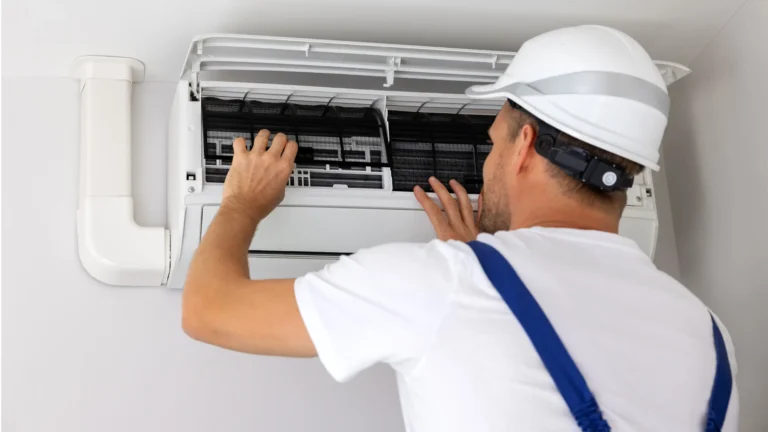
Small problems become expensive disasters when ignored. Create a seasonal maintenance calendar that addresses your home’s needs before they turn critical. Spring means cleaning gutters and checking your roof for winter damage. Summer requires inspecting your air conditioning system and sealing any cracks in your driveway. Fall calls for furnace servicing and weather-stripping doors. Winter brings attention to insulation and pipe protection.
Change HVAC filters every three months without exception. This single habit improves air quality, reduces energy costs, and prevents system failures that always seem to happen on the hottest or coldest day of the year. Set recurring reminders on your phone because remembering these tasks shouldn’t depend on noticing reduced airflow or higher utility bills.
Creating Zones That Support Different Activities
Every room in your home serves specific purposes, but many people let these spaces blur together until nowhere feels quite right for anything. Define clear zones that support distinct activities. Your bedroom should promote rest, which means removing the television, limiting screen time, and keeping work materials in a separate space. Your kitchen functions as meal preparation central, not a homework station or bill-paying desk.
Lighting plays a crucial role in making these zones work properly. Bright, cool-toned lights help you focus in workspaces, while warm, dimmable options create the relaxed atmosphere your living areas and bedrooms need. Installing dimmer switches gives you control over ambiance and energy consumption simultaneously. Sound management matters more than people realize. Soft furnishings like curtains, rugs, and upholstered furniture absorb noise and make spaces feel calmer.
Simplifying Cleaning Through Smart Design Choices
The easiest cleaning is the cleaning you don’t have to do. Choose materials and finishes that hide dirt or clean easily. Dark grout in bathrooms shows less mildew. Microfiber furniture resists stains better than many traditional fabrics. Hard flooring throughout the main living areas eliminates the carpet cleaning that devours weekends.
Keep cleaning supplies in the rooms where you’ll use them rather than making trips to a distant supply closet. A caddy under each bathroom sink and a basket in your laundry room means you’ll actually wipe down surfaces regularly instead of postponing the task because gathering supplies feels like a project.