Custom Tin Packaging to Preserve Tea, Coffee and Spices Long
At Tsing, years of collaboration with tea brands, coffee roasters, and spice producers have taught us a fundamental truth: product quality stability depends on effective packaging. Custom tin packaging plays a crucial role in preserving the aroma, flavor, texture, and shelf life of products, especially for delicate dry goods. Unlike flexible packaging bags or thin plastic containers, custom tinplate cans create a controlled internal environment, effectively isolating the product from oxygen, moisture, light, and external odors. From an engineering and manufacturing perspective, tinplate offers predictable barrier properties and long-term stability. When combined with precisely designed lid structures and food-grade coatings, custom tinplate packaging becomes more than just a container; it’s an extension of the product itself.
Also Read: How Demolition Contractors Handle Waste and Recycling
Custom Tin Can Packaging and Oxygen Control for Tea, Coffee, and Spices
Oxygen is the main enemy of freshness. It causes oxidation, which degrades the essential oils in tea, coffee beans, and spices. Custom tinplate packaging is specifically designed to minimize product exposure to oxygen throughout its lifecycle.
Custom tin cans can be designed with extremely tight tolerances between the lid and the body, significantly reducing oxygen ingress compared to plastic packaging. Optional inner seals, rolled edges, and precision-fitting lids further enhance the sealing performance. For beverages like tea and coffee, where aromatic compounds are highly volatile, this level of oxygen control translates directly into longer-lasting flavor preservation. Unlike plastic, tinplate does not slowly permeate the air over time, but it maintains its structural integrity. This means the internal environment remains essentially unchanged even after months of storage.
Custom Tin Packaging as a Moisture Barrier for Long-Term Storage
Moisture control is equally critical in preserving dry goods. Even small amounts of moisture can cause tea, coffee, and spices to clump, mold, or lose flavor. Custom tinplate packaging provides an effective moisture barrier because tinplate is non-porous.
Custom tin cans do not absorb water or allow water vapor to pass through the can walls. Combined with carefully designed lids and optional liners, they maintain a dry internal environment even in humid climates or during long-distance transportation. This is especially important for global brands that must ensure consistent product quality across regions with vastly different storage conditions. From a manufacturing perspective, tinplate enables repeatable, reliable sealing performance. This stability is difficult to achieve with flexible packaging, which can deform, wrinkle, or lose strength over time.
Custom Tin Packaging and Light Protection to Preserve Flavor
The impact of light on product quality is often underestimated. Ultraviolet and visible light can degrade sensitive compounds in teas, roasted coffee, and spices, leading to diminished flavor and reduced nutritional value. Custom tin packaging naturally blocks light, creating a dark storage environment that protects product integrity.
Unlike transparent or translucent plastic packaging, custom tin cans do not require additional light-blocking layers. This simplifies packaging design while enhancing performance. For green teas, delicate herbs, and spice blends with high essential oil content, light protection can significantly extend shelf life. From a brand perspective, this functional advantage perfectly aligns with a premium positioning. Customers may appreciate the visual design, but they value taste and aroma even more. Custom tin packaging ensures that what they taste is exactly what the brand promises.
Design Features That Enhance Product Freshness
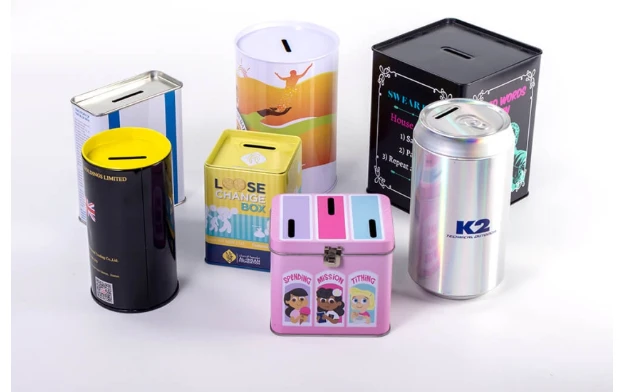
Freshness isn’t solely dependent on material choice; design details are crucial as well. At Qingpai Company, we meticulously design custom tin packaging with specific structural features to enhance performance. These features include: rolled edges for improved sealing, reinforced lids to maintain shape, and food-grade inner coatings to prevent direct contact between the tinplate and the product.
Custom tin cans can be designed to open and close repeatedly without compromising the seal. This is especially important for products that are consumed over several weeks or months. A well-designed tinplate can not only keep the product fresh upon first opening but also maintain its freshness throughout its entire usage cycle. Furthermore, custom tin packaging allows for precise dimensional control, minimizing headspace within the container. Less headspace means less residual oxygen, which helps extend shelf life. These details, while often unnoticed by consumers, have a significant impact on product quality.
Comparison with Other Packaging Materials in Terms of Freshness Preservation
Objectively speaking, custom tin packaging consistently outperforms plastic bags, pouches, and containers in preserving freshness. Plastic materials are prone to oxygen and moisture permeability, deformation, and odor absorption. While glass offers good barrier properties, it lacks durability and portability, and without a coating, it does not provide natural light protection.
Custom tin cans combine excellent barrier properties, durability, and practicality. They effectively prevent physical damage during transportation, maintain their shape on retail shelves, and continue to perform effectively in consumers’ homes. For brands selling high-end or gift-grade products such as tea, coffee, and spices, custom tinplate packaging not only enhances perceived product value but also delivers tangible functional advantages.
Providing Long-Term Freshness Preservation
Freshness is not accidental; it is carefully crafted. Custom tin packaging provides a comprehensive solution for preserving freshness in tea, coffee, and spices, extending shelf life without compromising flavor, aroma, or quality. By controlling oxygen, moisture, and light exposure, custom tin cans create a stable environment, thereby extending shelf life and ensuring consumers receive a consistently high-quality experience.