

Home Care Jobs Offer A Decent Career Path
Home care jobs offer a meaningful career path for people who want to help others while working in the healthcare industry. These positions focus on supporting elderly individuals, people with disabilities, and patients recovering from illnesses or injuries in the comfort of their own homes. Depending on the role, workers may assist with personal care, meal preparation, mobility, companionship, and basic healthcare tasks.
As more families look for reliable in-home support, opportunities in this field continue to attract job seekers. Whether you are starting your career or planning to gain experience in healthcare, understanding the available positions, required skills, and potential earnings can help you make an informed decision.
You May Also Like: Understanding Mobile Home Anchors: A Comprehensive Guide
What are Home Care Jobs?
These jobs encompass a variety of roles focused on assisting individuals who need extra help with their daily activities. These jobs can include positions like caregivers, certified nursing assistants (CNAs), and home health aides, each providing different levels of support.
Common responsibilities include helping clients get dressed, preparing meals, maintaining personal hygiene, providing companionship, and supporting safe movement around the home. Some qualified workers also monitor vital signs or assist with other healthcare tasks within their permitted scope of practice.
Home care services can be arranged for a few hours each week, daily visits, or longer shifts. The exact schedule and duties depend on the client’s needs, the employer, and local regulations.
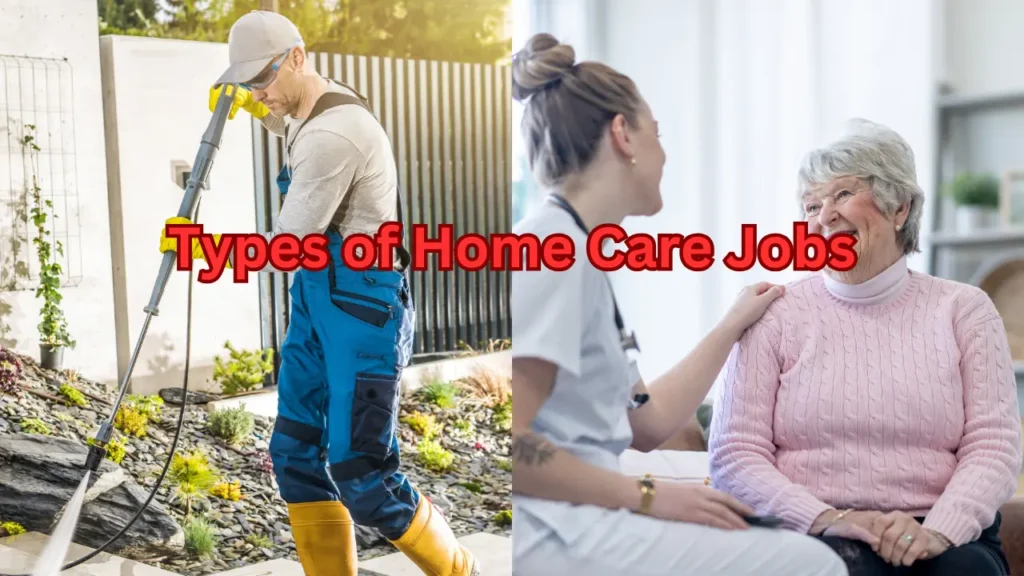
Types of Home Care Jobs
The home care industry includes several positions, each with different responsibilities and training requirements. Some jobs focus on everyday assistance, while others involve healthcare duties performed under appropriate supervision.
1. Caregivers
Caregivers primarily provide nonmedical assistance to people who need help with daily routines. They may support older adults, individuals with disabilities, or people recovering from surgery. Their responsibilities often include meal preparation, light housekeeping, companionship, and mobility assistance.
2. Certified Nursing Assistants (CNAs)
Certified nursing assistants provide basic patient care after completing the required training and certification process. Depending on local regulations and their workplace, they may help with bathing, dressing, repositioning, and monitoring vital signs. CNAs commonly work under the direction of licensed nursing professionals.
3. Home Health Aides
Home health aides help clients with personal care and certain basic health-related tasks. Their duties may include assisting with hygiene, supporting mobility, observing changes in a client’s condition, and reporting concerns to a supervisor. The tasks they can perform depend on their training, authorization, and applicable regulations.
The following table compares these common positions.
| Position | Main Responsibilities | Typical Supervision |
|---|---|---|
| Caregiver | Companionship, meal preparation, daily activities, and mobility support | Depends on the employer and care plan |
| Certified Nursing Assistant (CNA) | Basic patient care, hygiene, mobility, and vital sign monitoring when authorized | Usually works under nursing supervision |
| Home Health Aide | Personal care, daily living support, and approved basic health tasks | Depends on training, duties, and local rules |
Why Choose a Career in Home Care Jobs?
A career in home care can be a good choice for people who enjoy helping others and building meaningful relationships. Workers often develop close connections with clients because they provide regular assistance and become familiar with their routines, preferences, and needs.
Another advantage is the variety of available work arrangements. Depending on the employer, workers may find part-time positions, full-time schedules, overnight shifts, or flexible hours. These options can help job seekers find opportunities that fit their personal responsibilities.
The field also offers a way to gain practical experience before pursuing further healthcare education. Workers can develop communication, time management, and patient care skills that may support future career opportunities.
Required Skills and Qualifications for Home Care Jobs
The qualifications for home care positions depend on the type of assistance provided. Some entry-level caregiver roles offer on-the-job training, while positions involving more specialized care may require formal education, certification, or additional experience.
Compassion and Patience
Compassion is essential when working with people who need daily assistance. Clients may take longer to complete routine activities or feel anxious about changes in their health and independence. Patient caregivers can make these experiences more comfortable by listening carefully and treating every person with dignity.
Basic Healthcare Knowledge
Workers should understand basic hygiene, infection prevention, safe movement, and emergency procedures relevant to their roles. Those providing personal care must also know how to protect client privacy and identify changes that should be reported to a qualified healthcare professional.
Medication-related duties require particular care. Workers should only perform tasks permitted by their training, employer policies, and local laws.
Certification and Licensing
Certification requirements vary by position and location. In the United States, for example, certified nursing assistants generally need to meet state-specific training and competency requirements. Home health aides may also need approved training or certification, depending on the services they provide and the applicable rules.
Employers may request background checks, references, first aid training, CPR certification, or previous caregiving experience. Reviewing these requirements before applying can save time and help candidates prepare.
| Skill or Qualification | Why It Matters |
|---|---|
| Communication | Helps workers understand client needs and share concerns |
| Patience and empathy | Supports respectful, compassionate care |
| Basic safety knowledge | Reduces avoidable risks during daily activities |
| Time management | Helps workers follow care plans and schedules |
| Relevant certification | Demonstrates that a candidate meets applicable requirements |
| Reliability | Builds trust with clients, families, and employers |
Salary Expectations for Home Care Jobs
Earnings in home care depend on location, experience, qualifications, employer policies, and the complexity of the work. Pay may also vary between private households, home care agencies, and healthcare organizations.
In the United States, entry-level caregivers may find hourly rates around $13 to $15, while some certified nursing assistants and home health aides earn approximately $14 to $18 per hour. These figures are general estimates rather than guaranteed or current national averages. Actual wages can be lower or higher depending on the local job market.
Candidates should also consider overtime eligibility, paid leave, health insurance, travel reimbursement, and whether training is paid. These benefits can affect the overall value of a job beyond its advertised hourly rate.
| Position | Illustrative Hourly Pay in the US |
|---|---|
| Caregiver | $13–$15 |
| Certified Nursing Assistant | $15–$18 |
| Home Health Aide | $14–$17 |
Tips for Success in Home Care Jobs
Success in home care requires more than completing assigned tasks. Workers must understand individual needs, follow care instructions, and communicate professionally with clients and their families.
Clear communication is especially important when a client’s condition or routine changes. Caregivers should report concerns promptly, maintain appropriate records when required, and follow the established care plan. They should also respect confidentiality and avoid sharing private client information without authorization.
Organization is another valuable skill. Keeping track of appointments, shift schedules, daily routines, and approved care tasks helps prevent confusion. Workers should also seek guidance whenever a task falls outside their training or responsibilities.
| Tip | Practical Benefit |
|---|---|
| Communicate clearly | Helps prevent misunderstandings |
| Follow the care plan | Promotes consistent support |
| Respect privacy | Protects client dignity and personal information |
| Stay organized | Improves daily routines and time management |
| Continue learning | Builds confidence and professional skills |
| Ask for guidance | Helps workers handle unfamiliar situations safely |
Career Path and Opportunities for Growth
Home care jobs can provide a starting point for a longer career in healthcare. Many workers begin as caregivers or home health aides and later pursue additional training to qualify for more specialized positions.
With the appropriate education and licensing, experienced workers may progress toward roles such as licensed practical nurses (LPNs), licensed vocational nurses (LVNs), or registered nurses (RNs). These positions have different educational and regulatory requirements, so advancement usually involves formal study and practical training.
Other career paths include care coordination, senior care management, staff supervision, and administration within home care agencies. Some experienced professionals also move into training or scheduling roles.
| Career Stage | Potential Next Step |
|---|---|
| Entry-level caregiver | Experienced caregiver or senior care assistant |
| Home health aide | Additional healthcare training or specialized care |
| Certified nursing assistant | Further nursing education, subject to admission requirements |
| Experienced care professional | Care coordinator or supervisory role |
| Qualified nursing professional | Advanced clinical or healthcare management opportunities |
Career progression depends on qualifications, experience, local licensing rules, and available positions. Additional education can open more opportunities, but advancement is not automatic.
How to Find Home Care Jobs?
Finding suitable home care work begins with identifying your preferred location, schedule, and level of responsibility. Online employment platforms, healthcare agencies, and local community organizations can help you discover available positions.
Websites such as Indeed, Glassdoor, and LinkedIn regularly list caregiving and home healthcare vacancies. Candidates can search by job title, location, salary range, and experience requirements. It is also useful to visit the career pages of established home care providers, such as Visiting Angels and Home Instead, to check openings in their service areas.
Always verify the employer and read the job description carefully. Be cautious of recruiters who demand upfront payments for a guaranteed job or ask for sensitive personal information before providing legitimate employment details.
| Job Search Method | How It Helps |
|---|---|
| Online job boards | Makes it easier to compare openings and pay |
| Home care agencies | Provides access to agency-based positions |
| Local healthcare organizations | May offer home health and patient support roles |
| Community networks | Can connect candidates with local opportunities |
| Professional referrals | May help candidates learn about vacancies |
Considerations for Working in Home Care Jobs
Although home care work can be rewarding, it also involves challenges. Some positions require long shifts, weekend work, overnight availability, or travel between clients. Workers should confirm their expected schedule and transportation requirements before accepting an offer.
The job can also be physically demanding. Assisting with movement, standing for extended periods, and completing daily care activities may require proper techniques and suitable equipment. Workers should receive appropriate training and avoid unsafe lifting practices.
Before starting a job, ask about the care plan, training, supervision, emergency contacts, compensation, and procedures for reporting concerns. Understanding these details can help you make a more informed employment decision.
Final Thoughts
Home care jobs offer an opportunity to build a meaningful career while helping people maintain their comfort, dignity, and independence. Available roles range from nonmedical caregiving to positions that require formal healthcare training, allowing job seekers to explore different paths according to their skills and goals.
Although the work can involve physical and emotional challenges, it can also provide valuable experience, professional development, and opportunities for advancement. Candidates who develop strong communication skills, follow safety procedures, and treat clients with respect can build a solid foundation in this field.
If you are considering a career in home care, begin by researching local openings, checking qualification requirements, and comparing employers. With suitable preparation and a commitment to compassionate care, you can find a role that matches your abilities and long-term career plans.